 DongDong Park
Sensory motor games at home: balance, coordination and body control (ages 3–12)
Updated
“Sensory integration” describes how a child puts together what they see and what their body feels (that they’re tipping over, where an arm is) with the way they move. Balance, body control and coordinating the two sides of the body are all built up through running, jumping and playing, again and again. The games below are an easy way to add a bit more at home.
Balance: staying steady when the body tips
- Slalom Ski (ages 5–10): lean left and right to ski through the flag gates.
- Surfing (ages 8–16): lean to stay on the wave, crouch low for the big waves and jump at the top for a trick.
- Sky Pilot (ages 5–14): spread your arms like wings and lean into the turns to fly through the golden rings.
- Tilt Maze (ages 9 and up): lean to tilt the maze board and roll the ball slowly to the finish.
Body control: get into the pose, and hold it
- Shape Wall (ages 4–12): look closely at the hole in the wall, and make the same shape with your body to pass through.
- Yoga Poses (ages 12 and up): copy each pose and hold it steady.
Left-right coordination: taking turns and working together
- Hopscotch (ages 5–12): one foot on single squares, two feet on double squares, switching between left and right.
- Flap Home (ages 4–8): flap both arms together like wings and fly the bird back to its nest.
Screen-free games for home
On-screen games are an extra. These real-world games matter just as much:
- Walk along a line of masking tape on the floor, forward and then backward.
- Stand on one foot and see who lasts longest, then try it with your eyes closed.
- Roll on a mat, or crawl through a “cave” made of couch cushions.
- Toss and catch a soft ball, or kick a balloon around.
One sense at a time
Sensory games at home lists on-screen and screen-free games for each of the six senses, with a daily plan. Articles on one area each: vestibular games (balance), proprioception games (body control and how much force to use), bilateral coordination games (left and right working together) and listening games. For coordination in general, see coordination games by age.
These are everyday games and can’t replace a professional assessment or therapy. If your child falls a lot, is clearly clumsier than other kids the same age, or is already in sensory integration therapy, follow the advice of their doctor and therapist. Wondering whether to sign up for sensory classes? See Is sensory integration therapy worth it? For balance games, clear the space around the player and make sure the floor isn’t slippery.
Games mentioned here
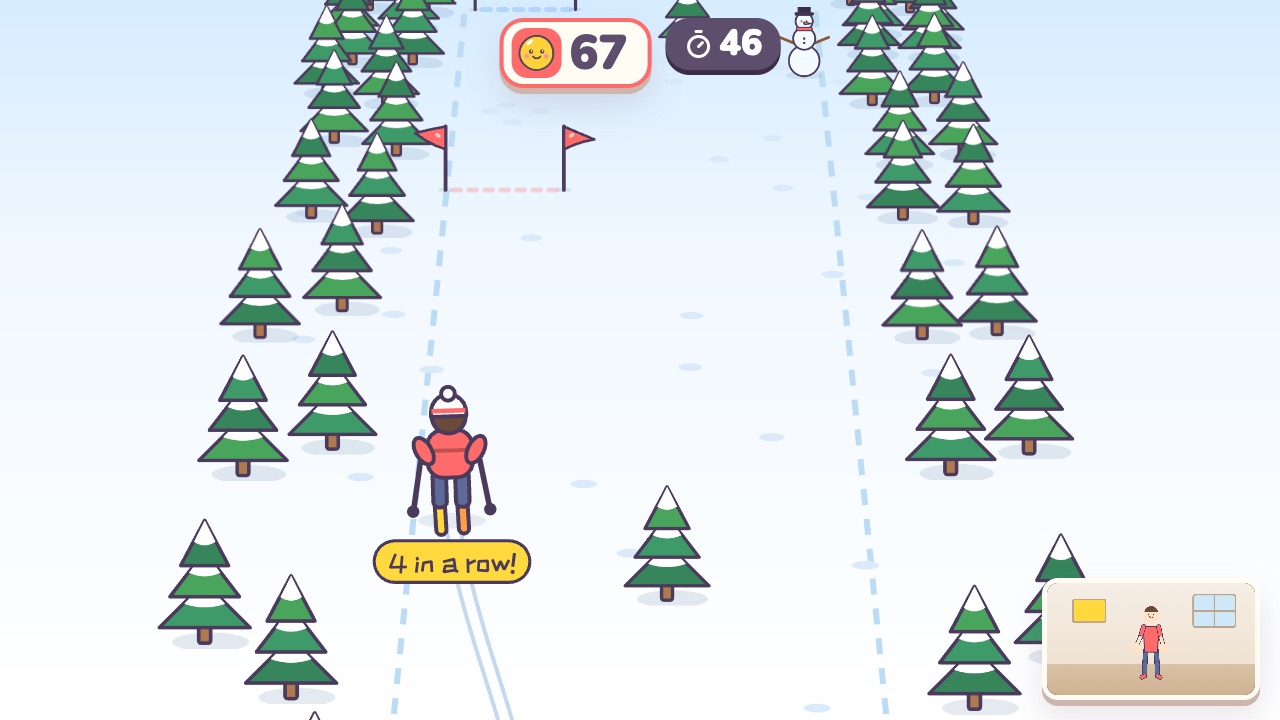 Slalom SkiLean left and right to ski through the flag gatesAges 5–10 · Moderate activity · Whole body
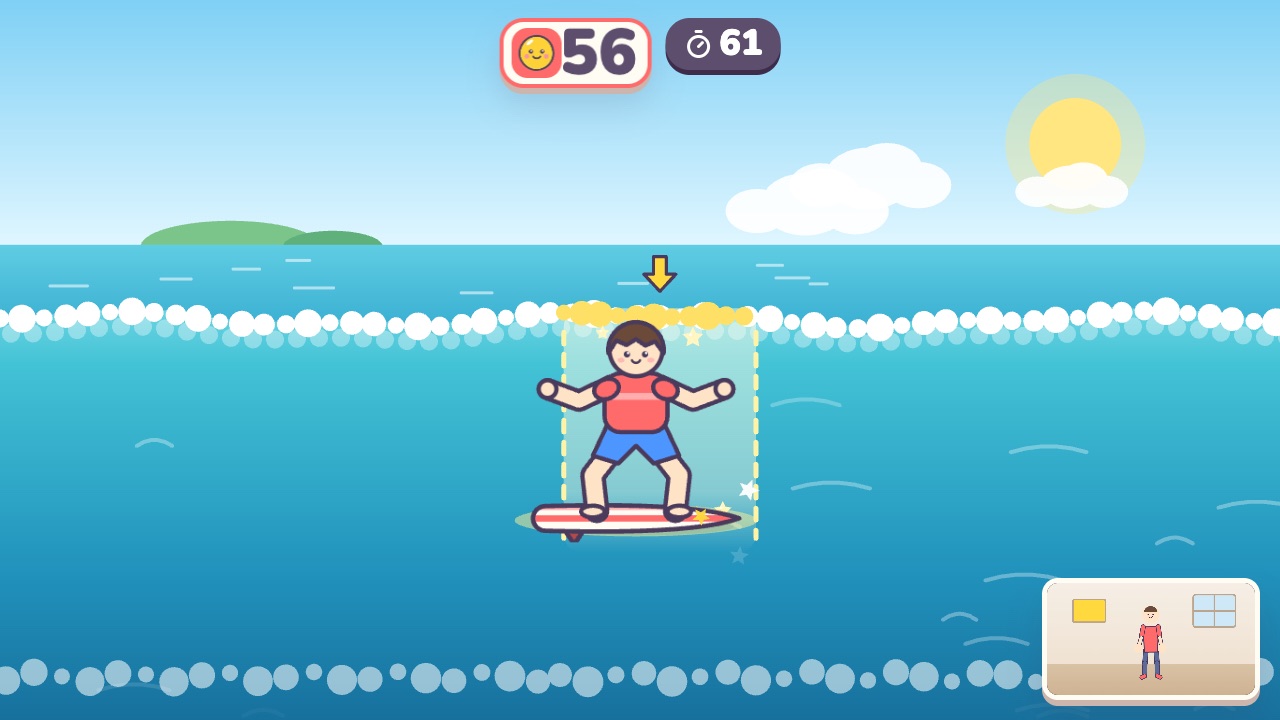 SurfingLean to ride the wave, duck under big waves and jump at the topAges 8–16 · Moderate activity · Whole body
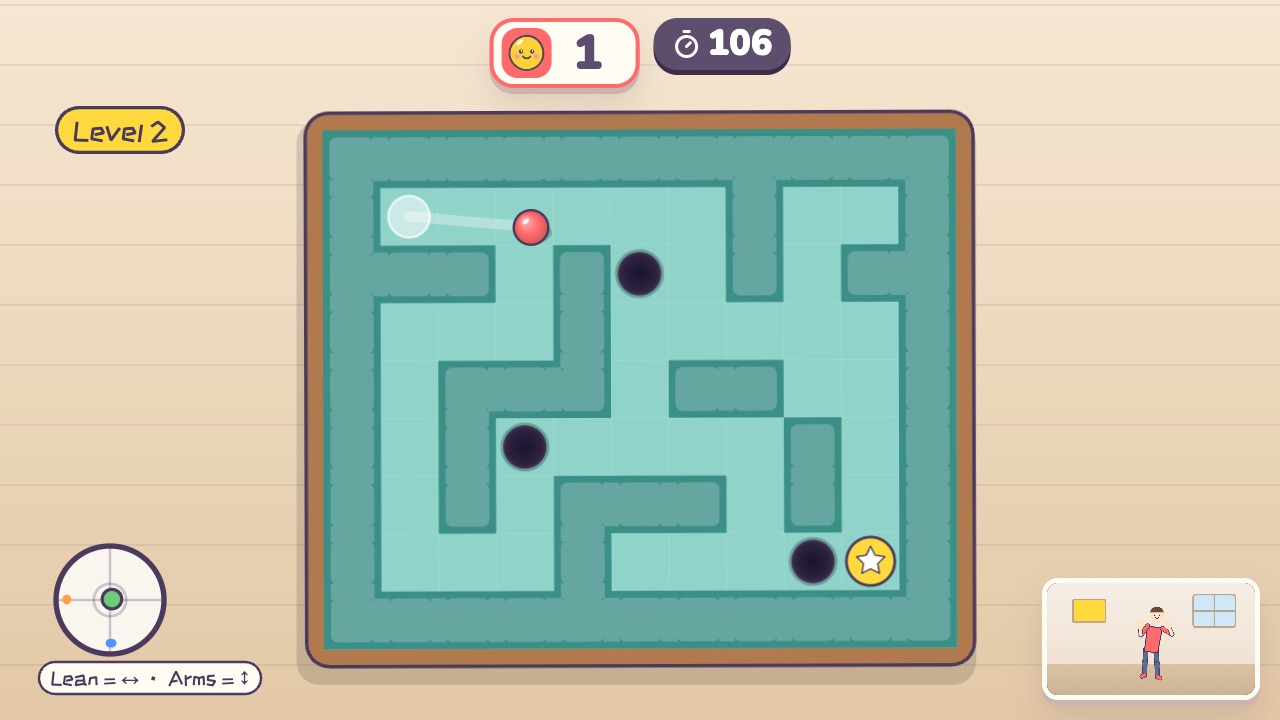 Tilt MazeLean your body to tilt the maze and roll the ball to the finishAges 9–18 · Light activity · Whole body / Thinking / Calm
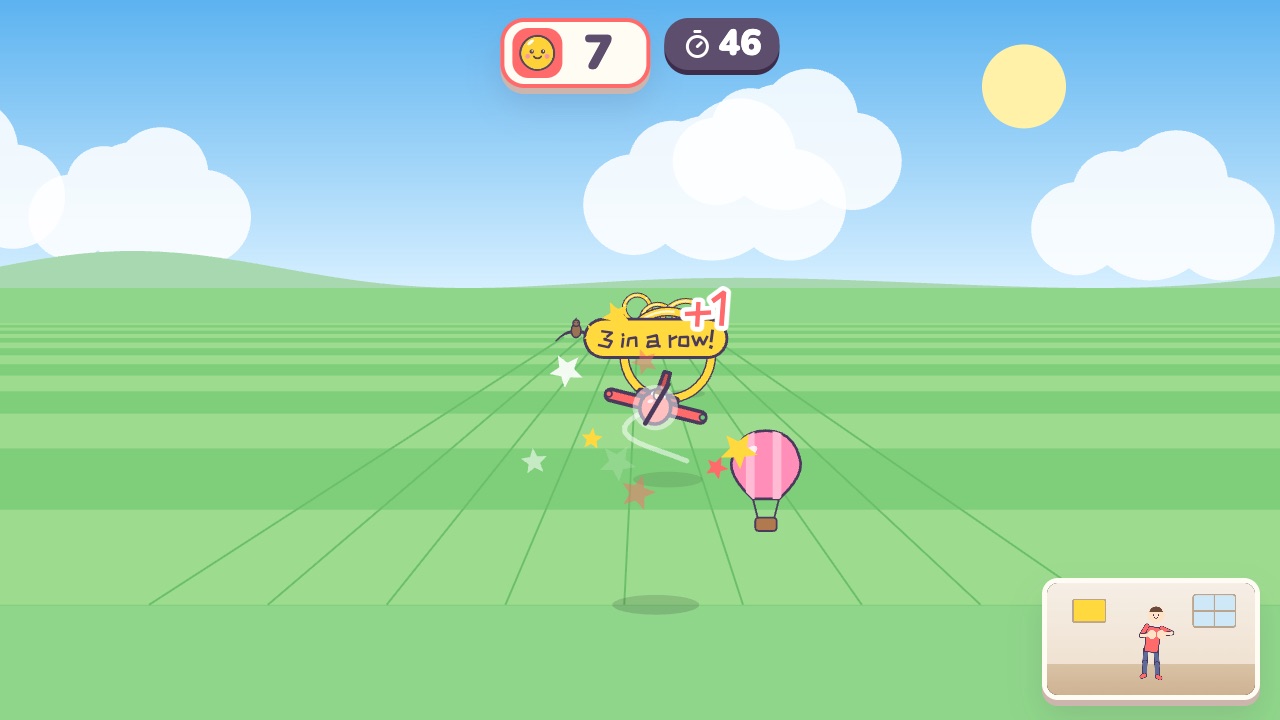 Sky PilotSpread your arms like wings, lean to turn, and fly through the golden ringsAges 5–14 · Moderate activity · Whole body
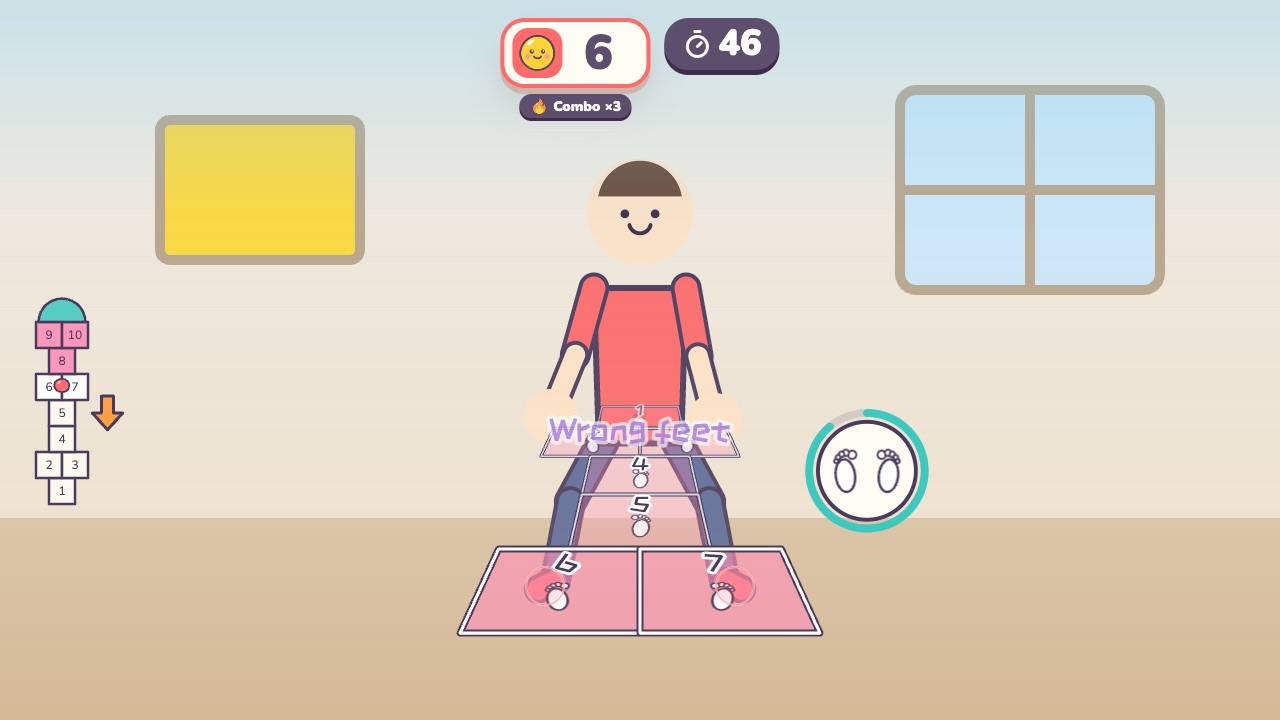 HopscotchOne foot on single squares, two feet on double squares, one row at a timeAges 5–12 · High activity · Run & jump / Fitness
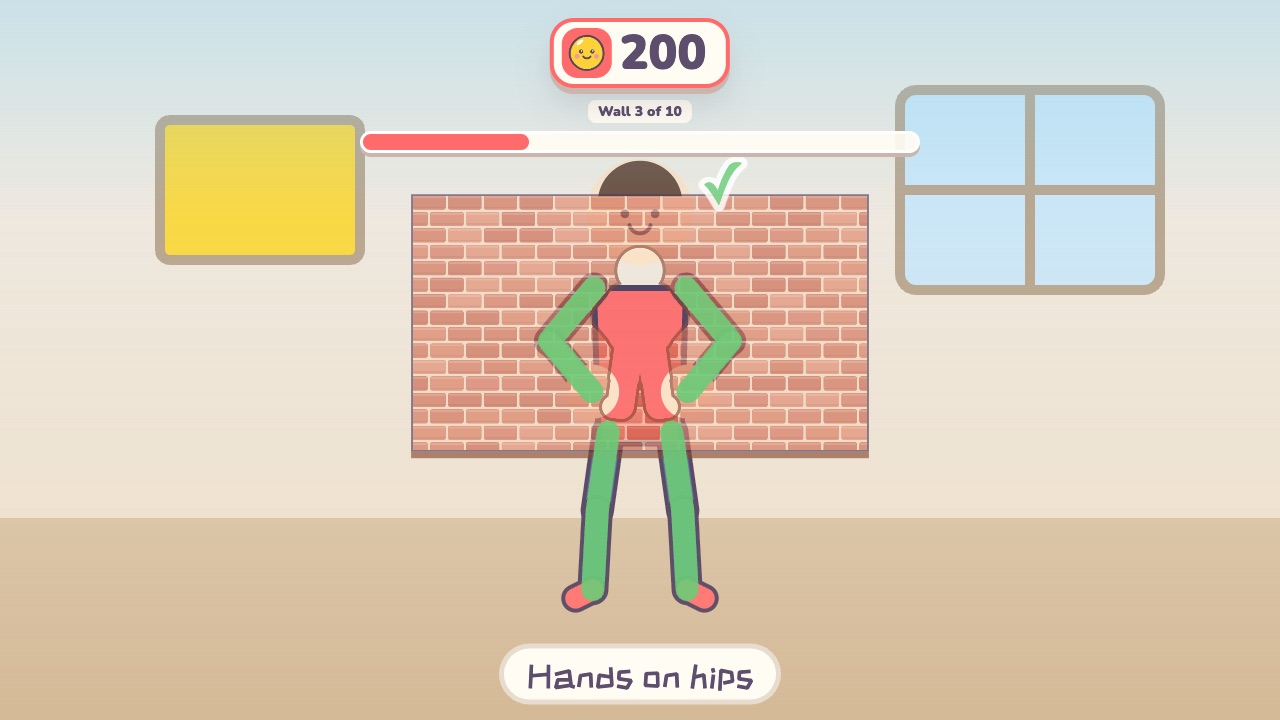 Shape WallMake the same shape as the hole in the wallAges 4–12 · Moderate activity · Whole body / Thinking
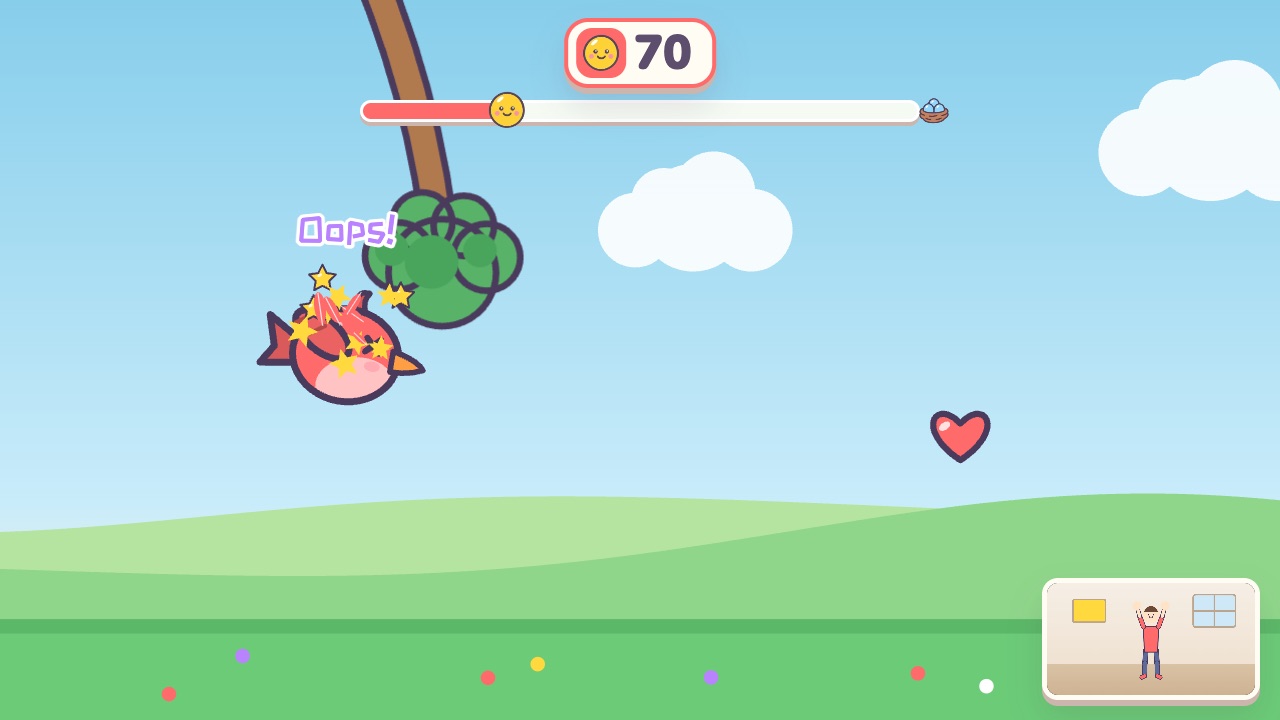 Flap HomeFlap your wings and fly back to the nestAges 4–8 · High activity · Hands / Whole body
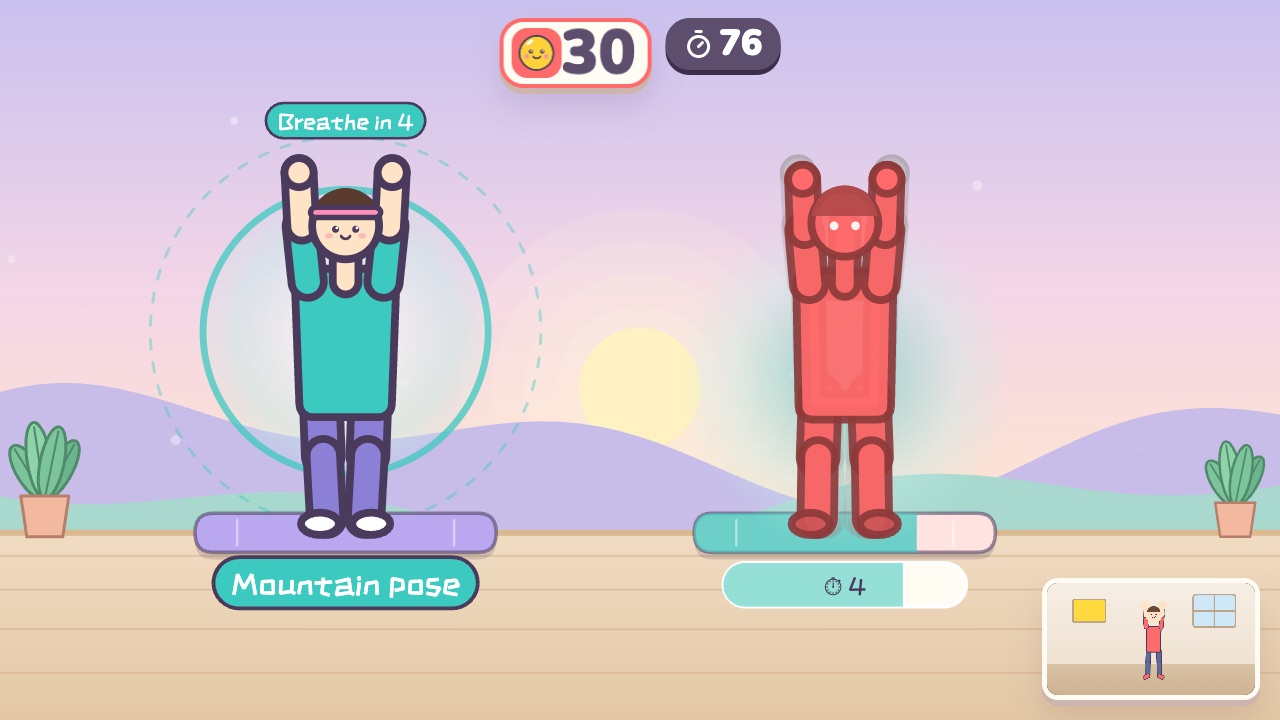 Yoga PosesCopy each yoga pose and hold it steadyAges 12–18 · Light activity · Calm / Fitness / Whole body
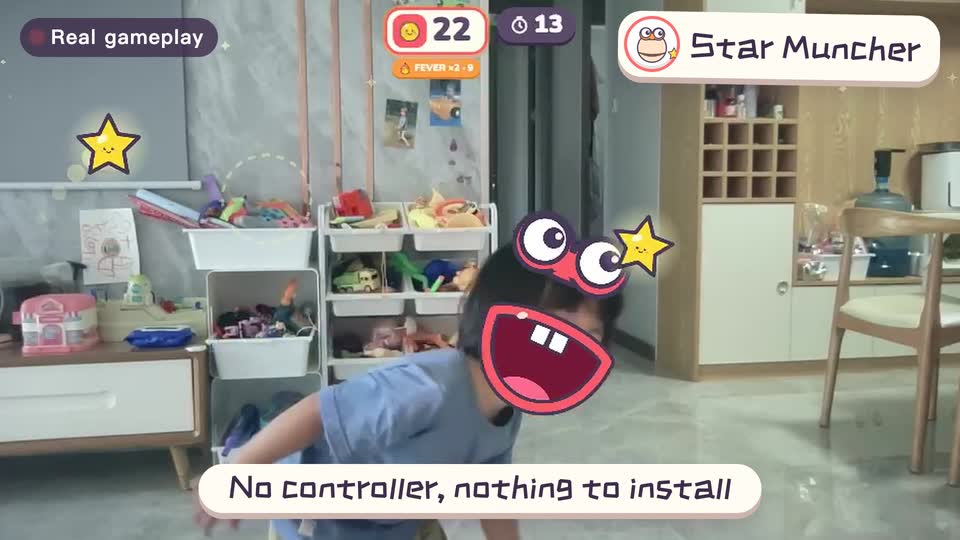
Real footage · 14 s
Kids stand in front of the computer and just move
100+ motion games for ages 3 to 18. Open the website and play: nothing to install, and the camera picture stays on this computer.
Keep reading
- How much should kids move each day? What the WHO says, and how to fit it in at home
- Screen time isn’t always sitting time: using screens to get kids moving
- When kids don’t like exercise: 6 ways to turn “I have to” into “I want to”
- Exercise and height: what actually helps kids grow (ages 6–14)
- Kids bouncing off the walls? A quiet 20-minute plan to burn off energy at home (ages 3–10)
- Winter exercise for kids: staying active when it’s too cold to go out