 DongDong Park
Kids bouncing off the walls? A quiet 20-minute plan to burn off energy at home (ages 3–10)
Updated
When kids are climbing the furniture and just can’t settle, most of the time it simply means they haven’t moved enough today. Twenty minutes of proper energy-burning, sweaty first and calm after, works far better than saying “stop running” over and over. Here is a plan you can do in the living room without disturbing the neighbors downstairs. Adjust the difficulty and it works for ages 3 to 10.
High energy is normal
The World Health Organization recommends that kids ages 3 to 4 get a total of 180 minutes of physical activity a day, and kids 5 and up at least 60 minutes of moderate-to-vigorous activity. A kid who has been sitting since school let out has all that energy stored up with nowhere to go, so they can’t fall asleep, can’t sit still at dinner and wriggle through homework. The answer is to plan for it, not to suppress it: a set time every day to move enough.
Four rules for burning energy at home
- Think of the neighbors. Swap jumps for squats, arm swings and small quick steps on the spot. Land on your toes with soft knees and it’s almost silent. If there has to be jumping, put down a thick mat, and not after 9 p.m.
- Sweat first, calm after. The order matters: hard first, then medium, then calm. Do it the other way round and kids can’t wind down.
- Not too late in the evening. Nothing intense in the hour before bed. Between school and dinner is best, or half an hour after dinner.
- Same time every day. When kids know that 5:30 is energy time, they find it easier to stay calm the rest of the day.
The 20-minute plan
| Time | What to do | Games |
|---|---|---|
| 0–2 min | Warm up: move like animals to loosen up | Animal Moves |
| 2–9 min | Sweat: running in place, arm swings, squats; one round each of two or three games | Forest Run, Mole Bop or Fruit Slash, Carrot Pull |
| 9–14 min | Go head to head: parent against kid, and a rematch for whoever loses | Red Light, Green Light, Musical Chairs, Boxing Practice (ages 9 and up) |
| 14–18 min | Slow down: slow hand movements, breathing settles | Little Gardener, Firefly Catch |
| 18–20 min | Finish: deep breaths, then a drink of water | Blow Out the Candles |
How each part works
- Animal Moves (ages 3 to 8): copy whichever animal gets called, hopping like a bunny or swinging an elephant’s trunk. One minute and the body is warm.
- Forest Run (ages 4 to 10): run on the spot, dodge left and right, jump over logs. For the logs, take off gently and land on your toes: “like a cat”.
- Mole Bop (ages 3 to 9) and Fruit Slash (ages 6 and up): one bops, one slices. The arms do the work and the feet stay on the floor, so nobody downstairs hears a thing.
- Carrot Pull (ages 3 to 8): squat down, grab the leaves and stand up hard. It’s squats, not jumps, and the legs work hardest.
- Red Light, Green Light (ages 3 to 10): move as much as you can on green, and freeze the moment you hear red light. Just the round to practice stopping after all that moving.
- Musical Chairs (ages 4 to 10): march while the music plays and squat down fast when it stops. Two players go head to head, and kids try harder when the grown-up plays for real.
- Boxing Practice (ages 9 and up): the coach holds up pads, and you punch left, right and up. It gets kids sweaty fast, with no jumping at all.
- Little Gardener and Firefly Catch (ages 3 to 8): hold a hand still above a flower pot to water it, or gently cover a firefly. When the hands slow down, so does the breathing.
- Blow Out the Candles (ages 3 to 7): take a deep breath and blow at the microphone. Once the candles are out, that’s the signal that energy time is over. Older kids can do a few stretches instead.
Adjusting for ages 3–5 and 6–10
- Ages 3 to 5: cut the sweaty part to 5 minutes and use the games with simple moves: Animal Moves, Mole Bop and Carrot Pull. For the head-to-head, play Red Light, Green Light, and let them win a few times. Leave a few extra minutes for Little Gardener and Blow Out the Candles at the end: little kids need longer to slow down.
- Ages 6 to 8: follow the plan as it is; Fruit Slash and Musical Chairs both work. Keep score in the head-to-head: “You won two rounds today!”
- Ages 9 to 10: make the sweaty part Boxing Practice or Forest Run on a harder level, two rounds in a row. They can finish without a game: a few stretches of their own, a drink of water, and a chat about school.
Whatever the age, the order stays the same: sweat first, calm after. If a kid gets excited again during the calm part, the sweaty part wasn’t long enough. Add a round tomorrow.
A few reminders
- Push the coffee table aside, leave about 6 by 6 feet (2 m × 2 m) clear in front of the camera, and pick the toys up off the floor.
- Agree before you start: “We stop after the candles.” When it’s over, it’s over. No bargaining.
- Jumping games are for the daytime, when nobody is home downstairs. In the evening, stick to squats and arm swings.
- On weekends, get outside when you can. This plan adds to outdoor play; it doesn’t replace it.
More ideas for playing as a family are in At home: get the whole family moving, and indoor games for rainy days are in Rainy day? 8 indoor motion games.
If your child isn’t just energetic but finds it very hard to settle both at school and at home, and it is getting in the way of learning or making friends, talk to a doctor or a specialist. More exercise alone isn’t the answer.
Games mentioned here
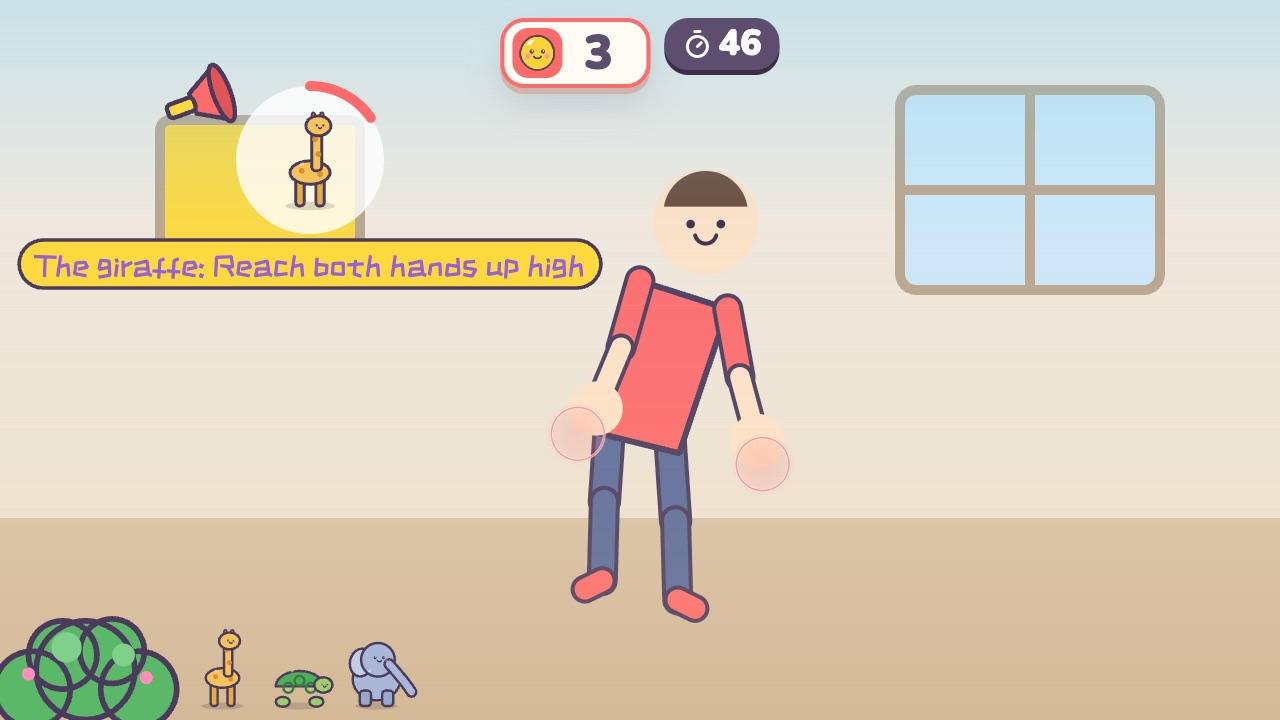 Animal MovesDo the move of whichever animal gets calledAges 3–8 · Moderate activity · Whole body
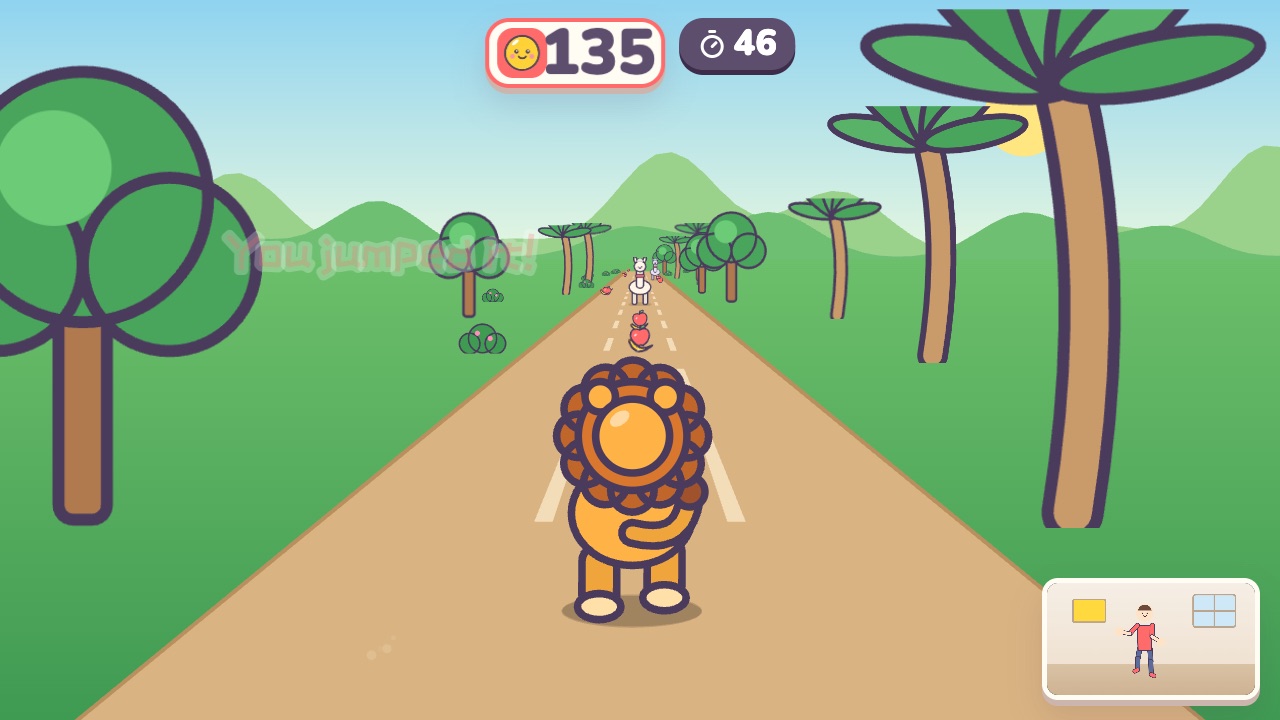 Forest RunRun on the spot, dodge left and right, and jump over the logsAges 4–10 · High activity · Run & jump / Whole body
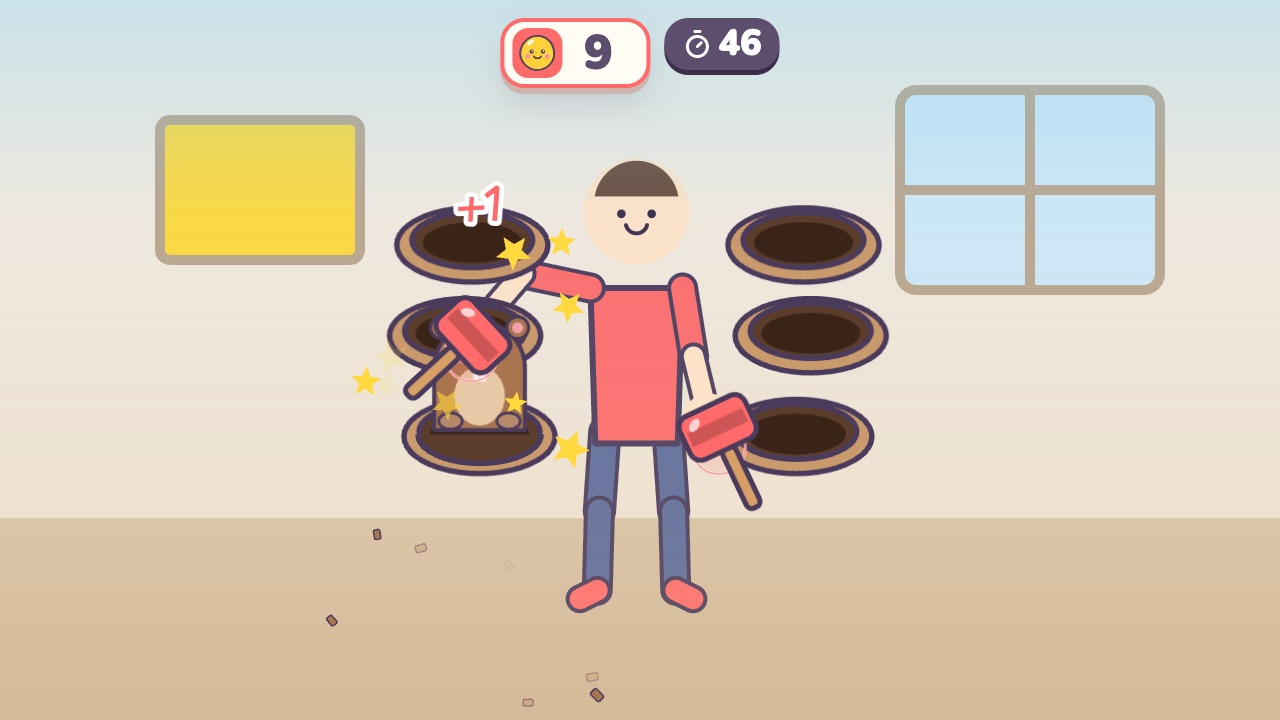 Mole BopBop the moles that pop up beside you, but not the ones in hard hatsAges 3–9 · Moderate activity · Hands
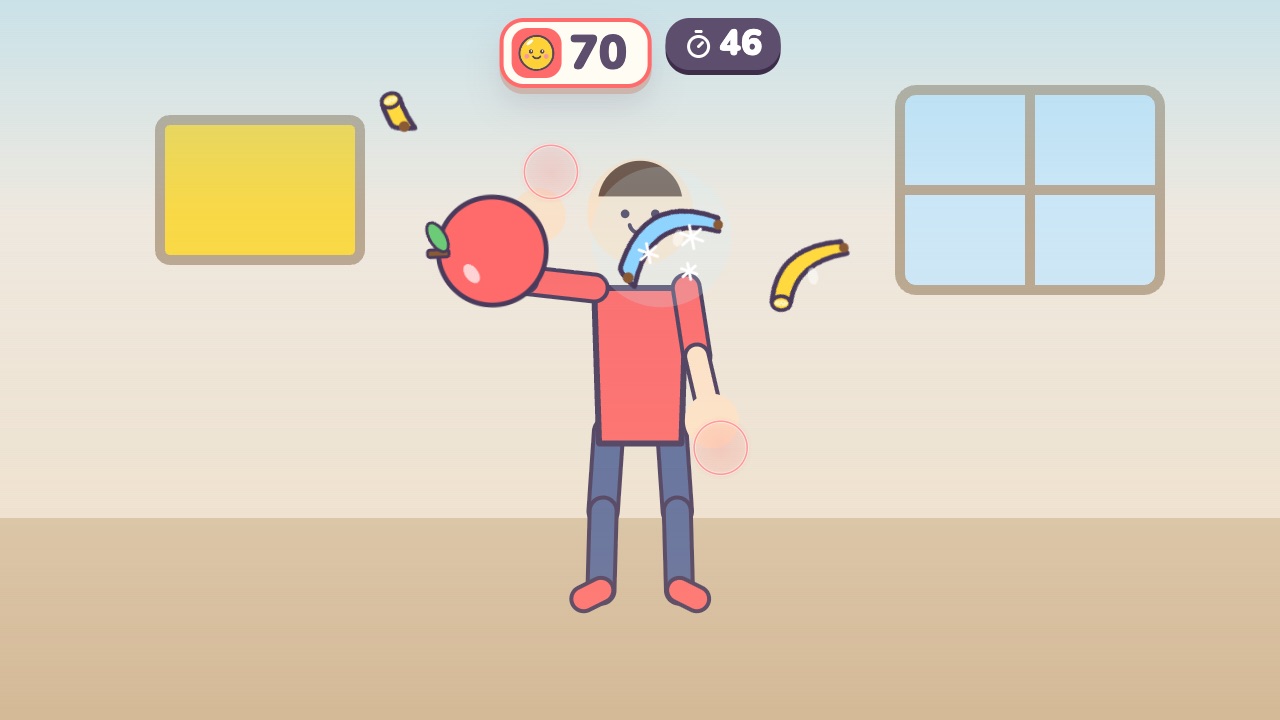 Fruit SlashSwing your hand to slice the flying fruit, and stay away from the bombsAges 6–14 · Moderate activity · Hands
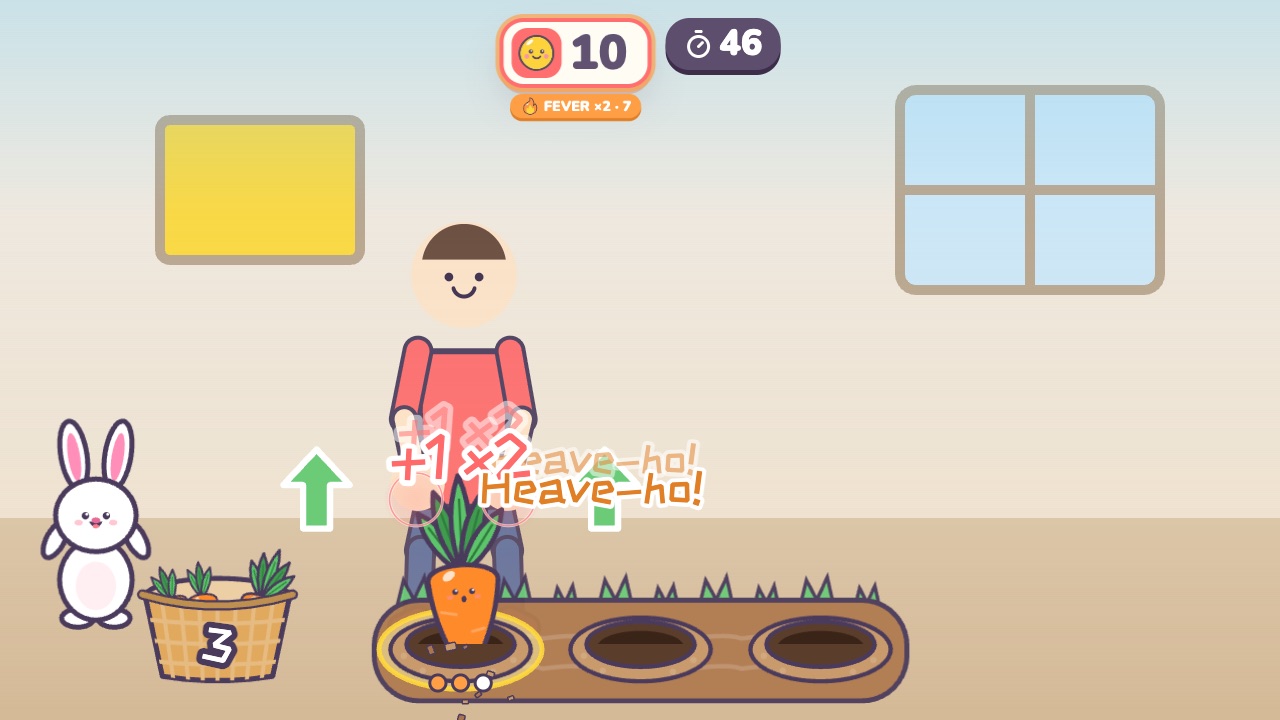 Carrot PullSquat down, grab the leaves and stand up to pull the carrotAges 3–8 · Moderate activity · Whole body / Run & jump / Fitness
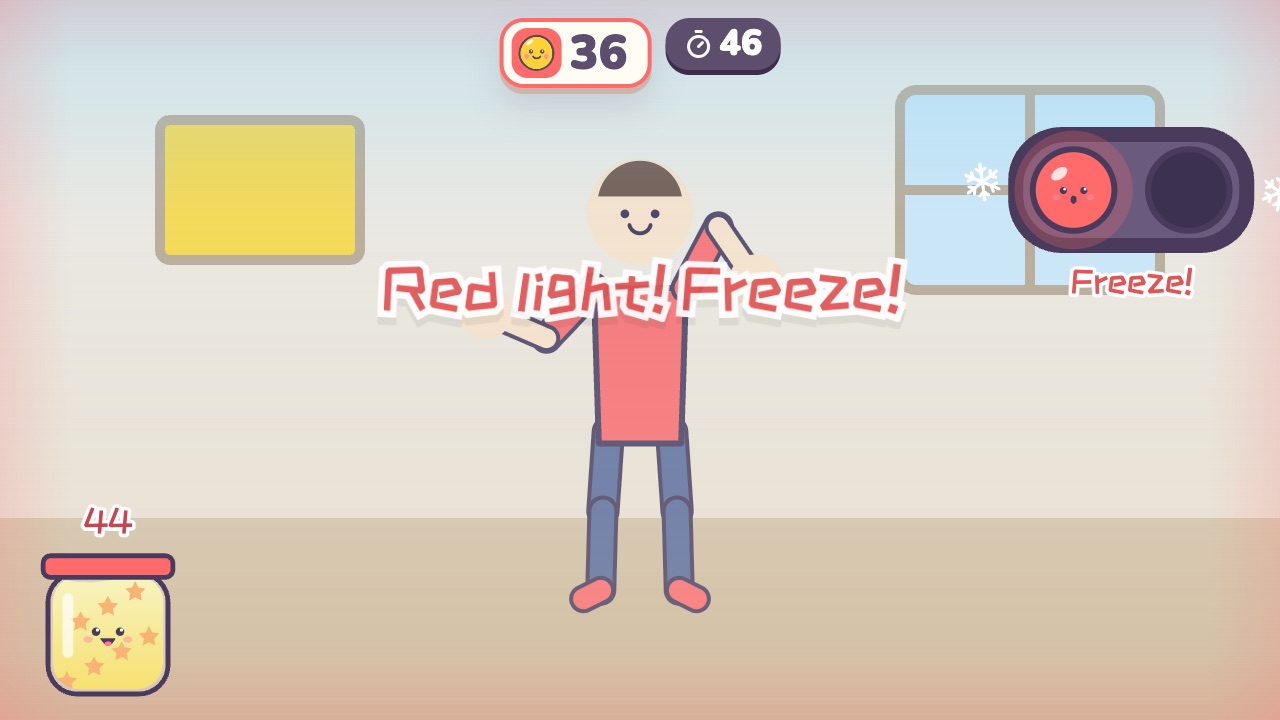 Red Light, Green LightMove like crazy on green light, and freeze the moment you hear red lightAges 3–10 · High activity · Whole body
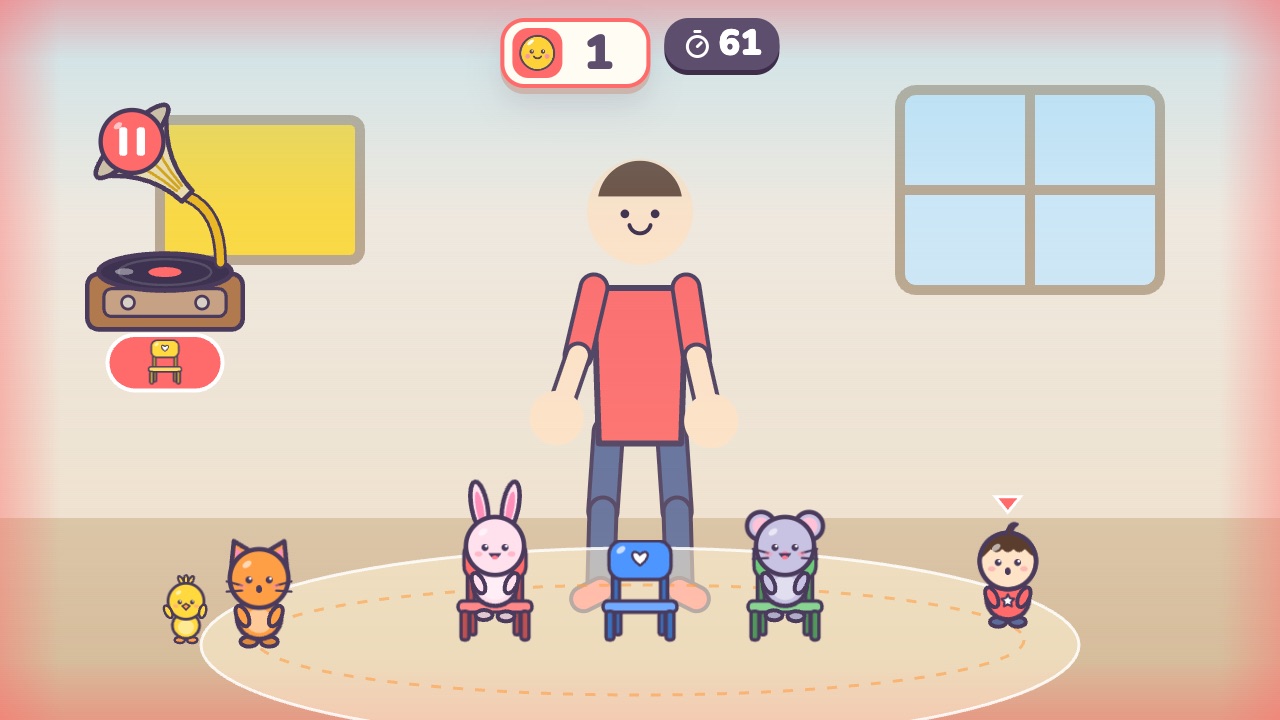 Musical ChairsMarch while the music plays, and squat down fast when it stopsAges 4–10 · Moderate activity · Whole body / Rhythm / Run & jump
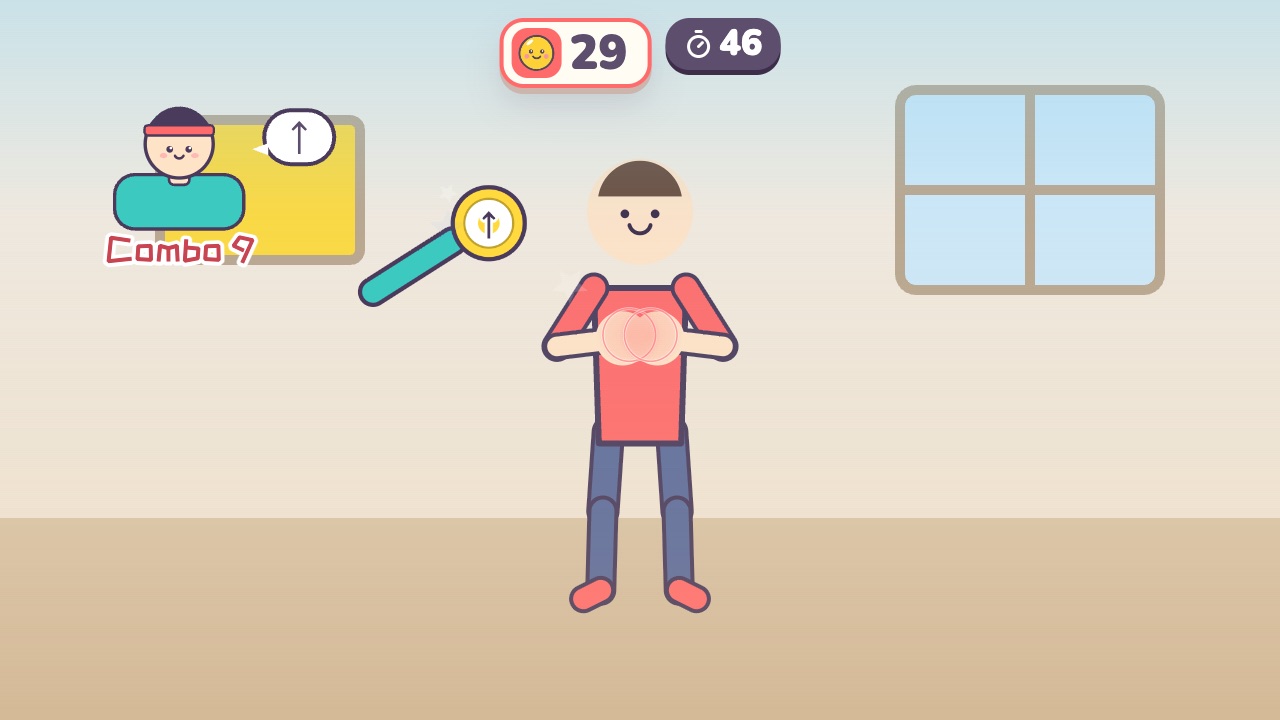 Boxing PracticeThe coach holds up pads: punch left, right and up, dodge the gloves and duck the barAges 9–18 · High activity · Hands / Fitness
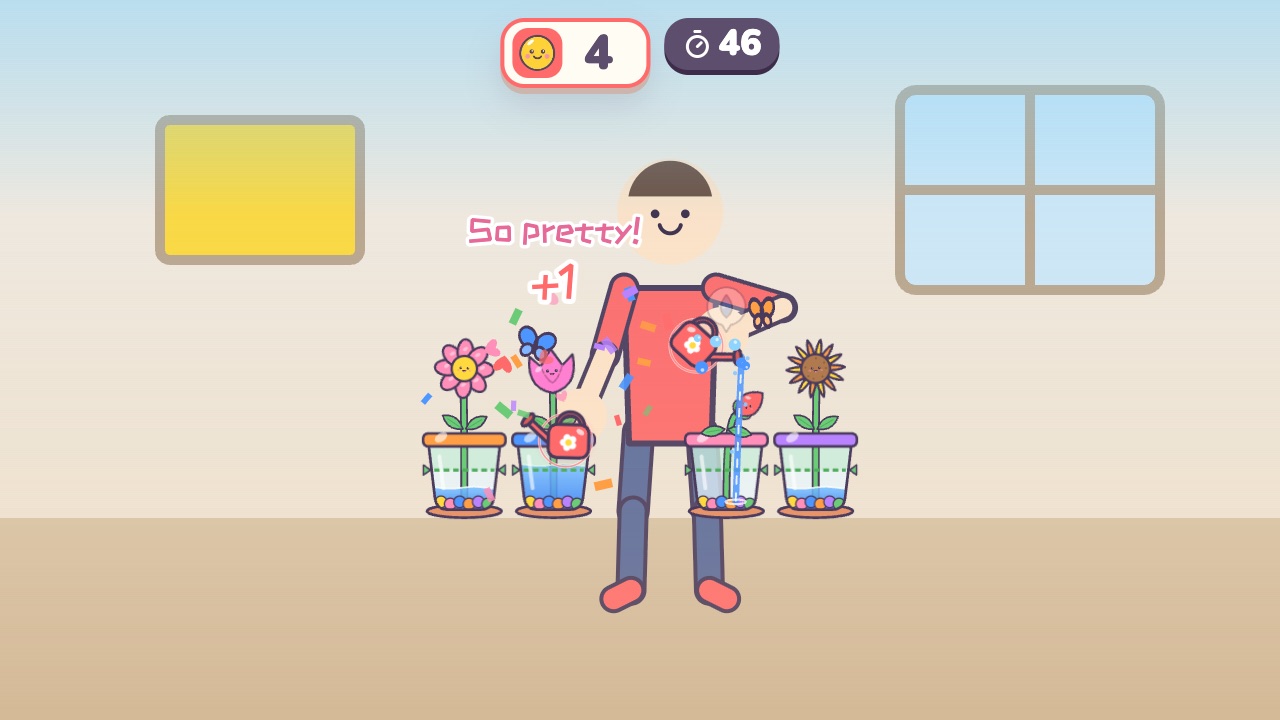 Little GardenerYour hand is a watering can. Water the thirsty flowers until they bloomAges 3–7 · Light activity · Hands / Calm
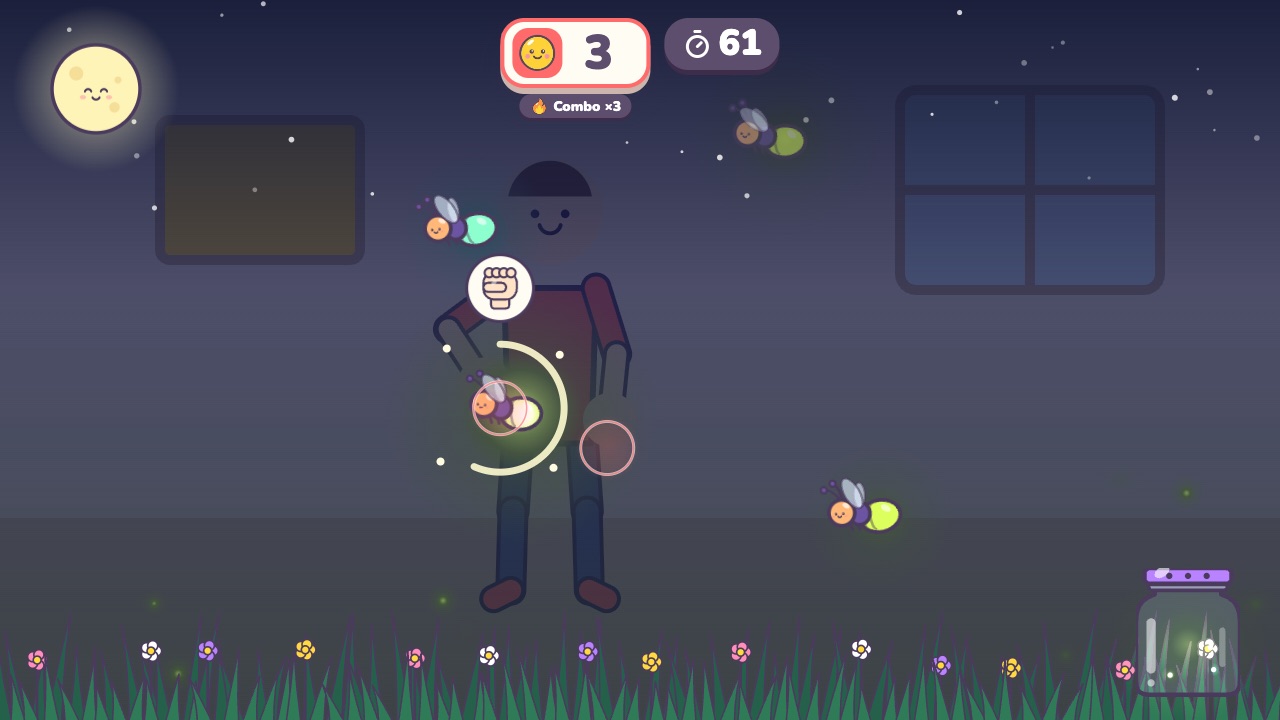 Firefly CatchGently cover a firefly with your hand, then make a fist to put it in the jarAges 3–8 · Light activity · Hands / Calm
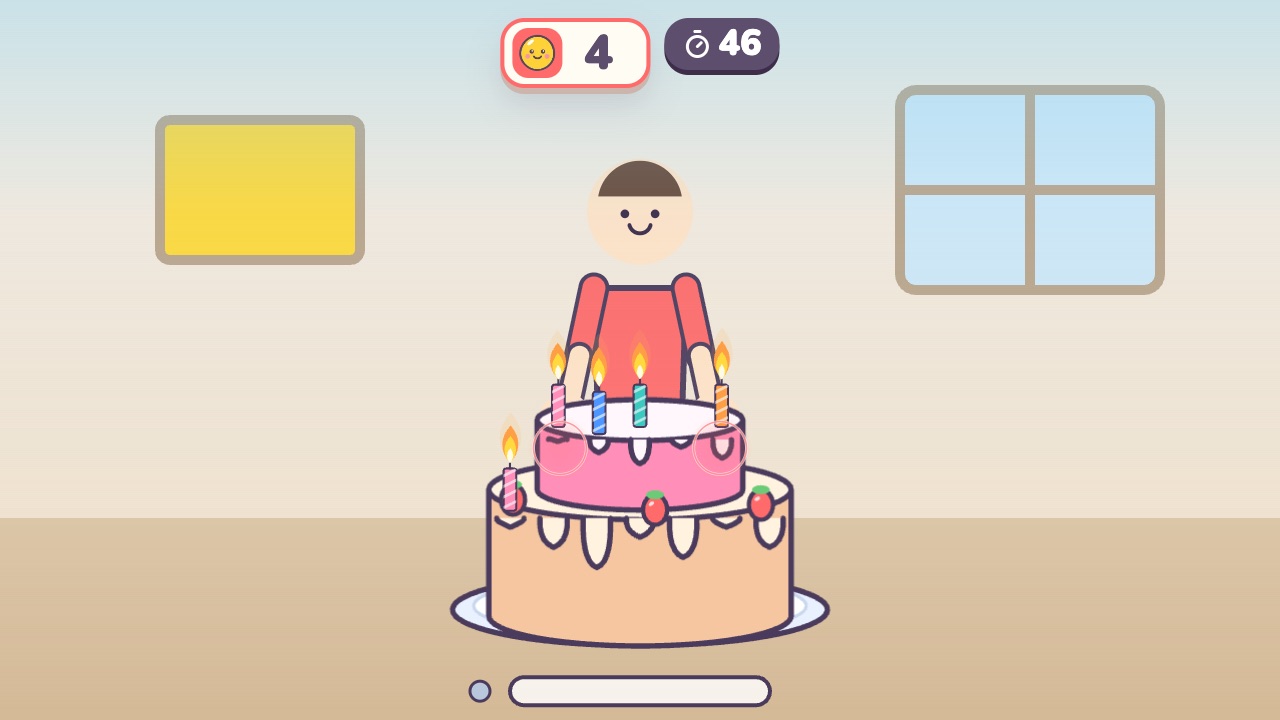 Blow Out the CandlesBlow into the microphone to put out the candles on the cakeAges 3–7 · Light activity · Calm
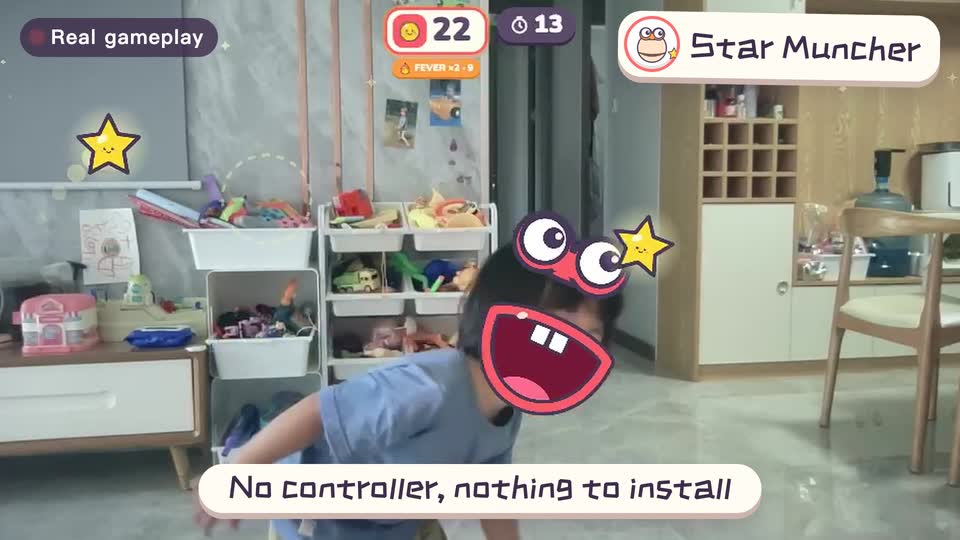
Real footage · 14 s
Kids stand in front of the computer and just move
100+ motion games for ages 3 to 18. Open the website and play: nothing to install, and the camera picture stays on this computer.
Sources
- WHO guidelines on physical activity and sedentary behaviour. World Health Organization. 2020
- Guidelines on physical activity, sedentary behaviour and sleep for children under 5 years of age. World Health Organization. 2019
Keep reading
- How much should kids move each day? What the WHO says, and how to fit it in at home
- Screen time isn’t always sitting time: using screens to get kids moving
- When kids don’t like exercise: 6 ways to turn “I have to” into “I want to”
- Exercise and height: what actually helps kids grow (ages 6–14)
- Winter exercise for kids: staying active when it’s too cold to go out
- Rainy day? 8 indoor motion games to get kids moving at home