 DongDong Park
Listening games for kids who don’t answer when called, or forget what you said (ages 3–10)
Updated
You call three times and get no answer. You ask for three things and only the first gets done. Usually it’s not the ears: the chain “hear it, remember it, do it” just isn’t smooth yet. Asking a young child to sit and practice listening is hard; listening to a command and moving is much easier: one sentence, one move, and you know right away if you got it. Go in three steps: one-step directions first, then practice holding back, and finally doing the opposite and listening for several things at once.
What “following directions” involves
- Hearing it: picking out the sentence meant for you among all the other sounds.
- Remembering it: still having the first half of the sentence when it ends.
- Doing it, and holding back: staying still when it isn’t your turn, and stopping when you hear “stop.”
Together, these are often called auditory attention, or simply listening skills.
Things you might notice
- Fine one on one, but seems not to hear when in a group.
- You say “put on your shoes, grab your water bottle and wait by the door,” and only the shoes happen.
- Always jumps the gun in games, and keeps moving for a moment after “stop.”
All of this is very common before age 4 or 5. But rule one thing out first: if your child often doesn’t react to quiet sounds, always needs the TV loud, or started talking clearly much later than other kids or still isn’t clear, have their hearing checked by a doctor before putting it down to “not paying attention.”
On-screen games, in three steps
Step 1: one sentence, one move
- Red Light, Green Light (ages 3–10): move all you can on green light, and freeze the moment you hear “red light.” Just two commands: go and stop.
- Animal Moves (ages 3–8): whichever animal the speaker calls out, do its move.
- Cross the Street (ages 3–8): march in place across the street on green, and stand still the moment the light turns red or yellow.
- Color Touch (ages 3–7): the speaker calls out something like “the red circle,” and you reach out and touch it.
Step 2: hear it, and hold back
- Radish Squat (ages 3–10): remember your color, and squat only when your radish is called. If it’s another radish, don’t move.
- Simon Says (ages 4–10): only do it when the command starts with “Simon says.” Otherwise, stay still.
- Musical Chairs (ages 4–10): march in place while the music plays, and squat fast when it stops. Squatting while the music is still on doesn’t count.
Step 3: do the opposite, and listen for several things
- Do the Opposite (ages 4–10): when you hear “arms up,” you squat down. Only the opposite move counts.
- Color Touch (ages 3–7): on Hard, the speaker calls out two at once, and you touch them in order.
- Bounce the Ball (ages 5–12): keep the ball bouncing while you listen for the calls to switch hands or bounce it low.
- Whisper and Shout (ages 3–8): be very quiet while the kitty sleeps, and shout when the wolf comes. Kids have to listen to what’s happening, then control their own voice. This one uses the microphone.
Screen-free listening games
- The playground version of Red Light, Green Light, and copy-me games like Follow the Leader.
- Family Simon Says: take turns being Simon. Kids love catching the grown-ups out.
- Telephone: whisper a sentence very quietly and have your kid pass it on to someone else.
- Two- and three-step directions: start with “put the cup on the table,” then build up to “wash your hands, then get two bowls and put them on the table.” Add a step once they get it right.
- Find the sound: eyes closed, point to where the alarm clock is ringing.
- Before a story, agree on a word (say, “bunny”), and clap every time you hear it.
A few ways to talk so kids listen
- Say their name first, and wait until they look at you before you go on.
- One thing at a time, kept short. Break long directions into steps.
- Ask your kid to say back what they’re going to do.
- Give a warning before “stop”: “This is the last round.”
In preschool and the classroom
All of these games work with a whole class. Two kids play in front of the camera and get scored, while everyone else follows the same commands from where they stand, so nobody just watches. The classroom guide covers setup and taking turns. For attention more broadly, see focus games for kids.
More sensory play articles
- Sensory games at home: what to play for each of the six senses, with a daily plan
- Vestibular games: building balance through play
- Proprioception games: body control and how much force to use
- Bilateral coordination games: getting the two sides of the body to work together
- Is sensory integration therapy worth it? Whether to sign up for classes, and when to see a doctor first
Games mentioned here
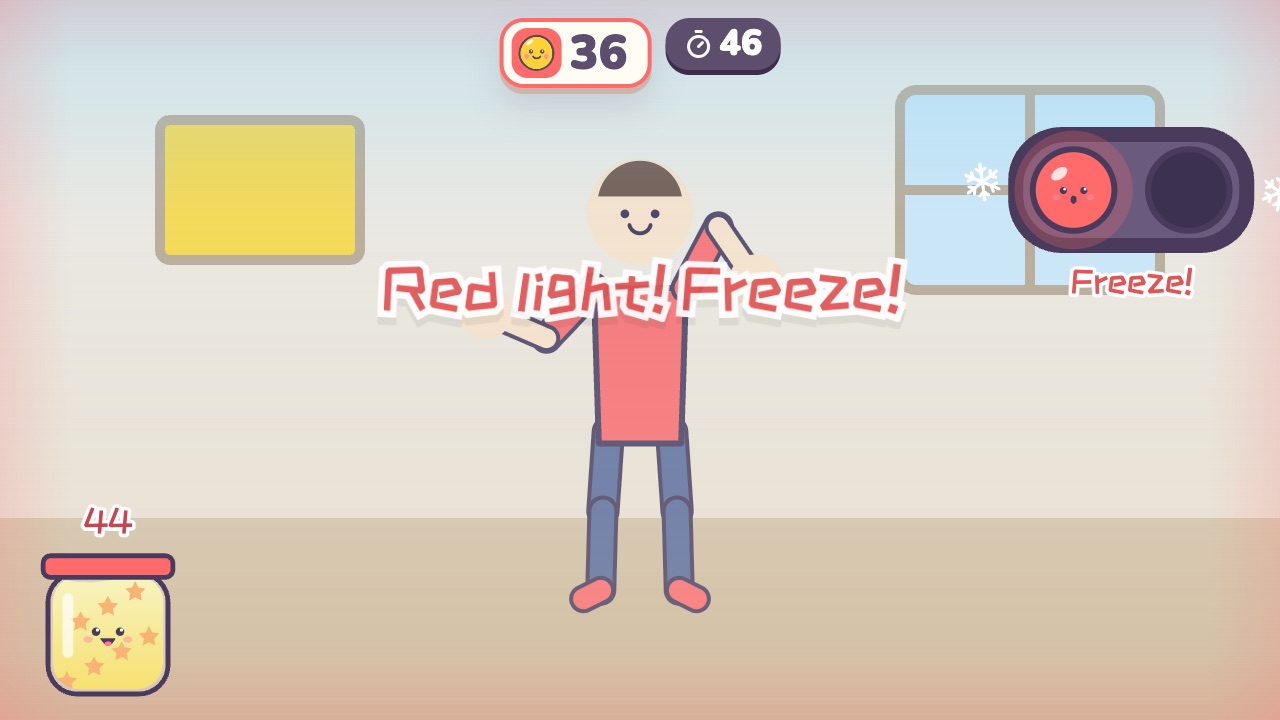 Red Light, Green LightMove like crazy on green light, and freeze the moment you hear red lightAges 3–10 · High activity · Whole body
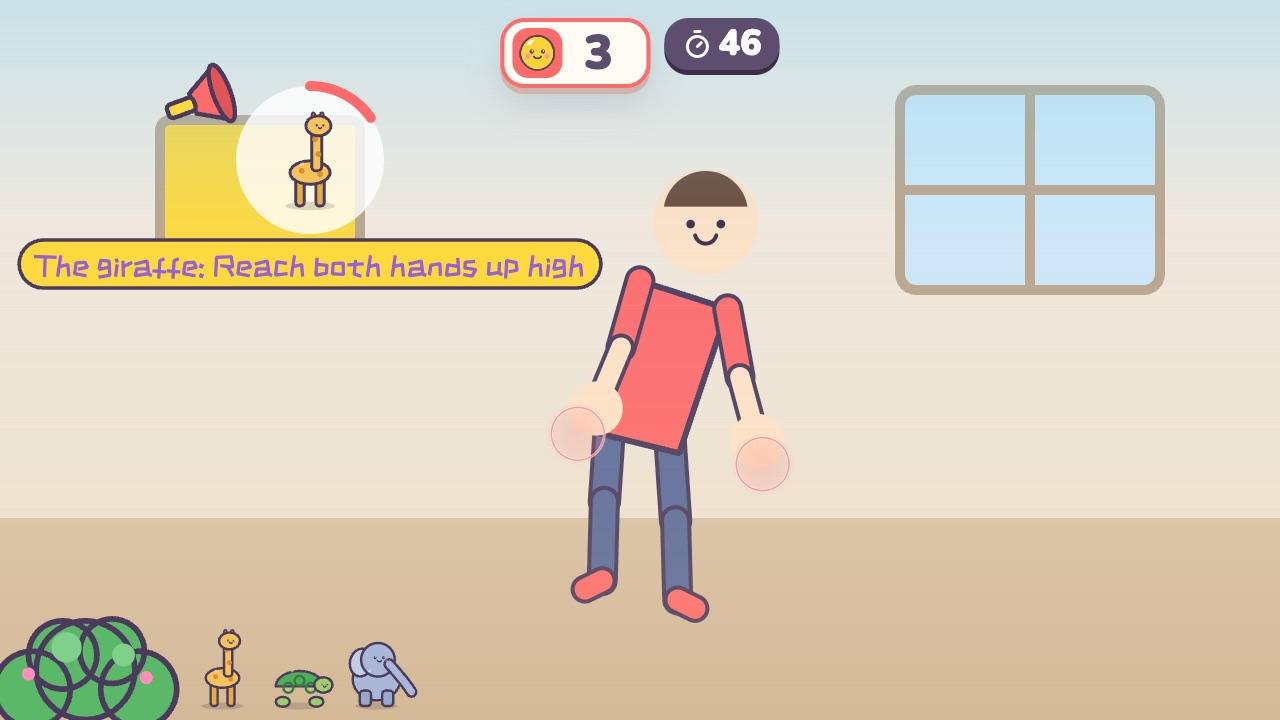 Animal MovesDo the move of whichever animal gets calledAges 3–8 · Moderate activity · Whole body
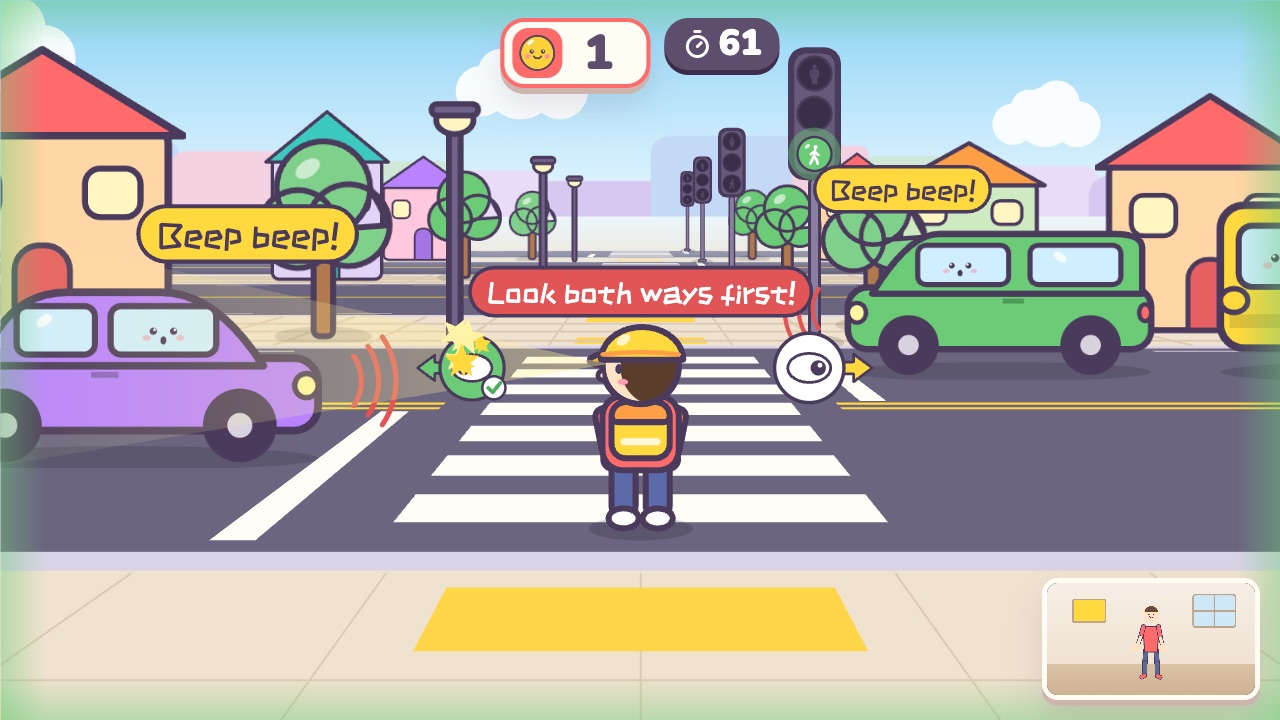 Cross the StreetLook left and right before you cross, and stop right away on redAges 3–8 · Moderate activity · Whole body / Thinking
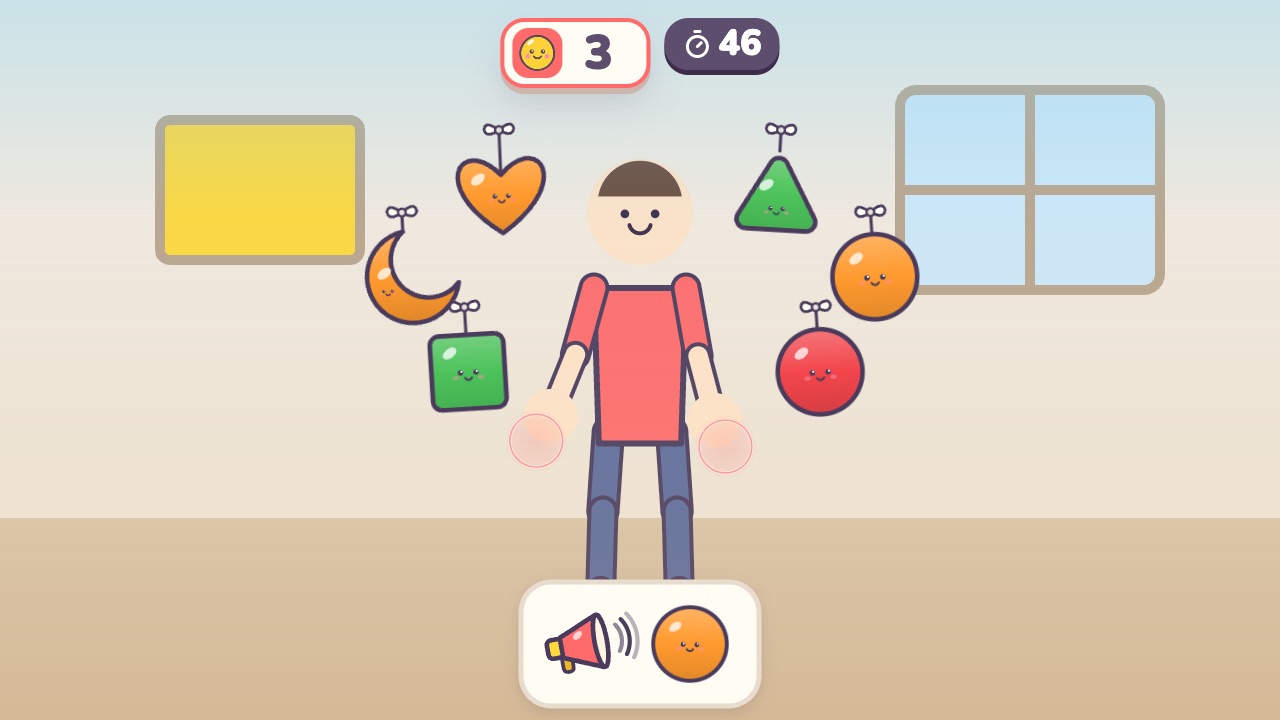 Color TouchListen and touch the right color and shapeAges 3–7 · Light activity · Thinking / Hands
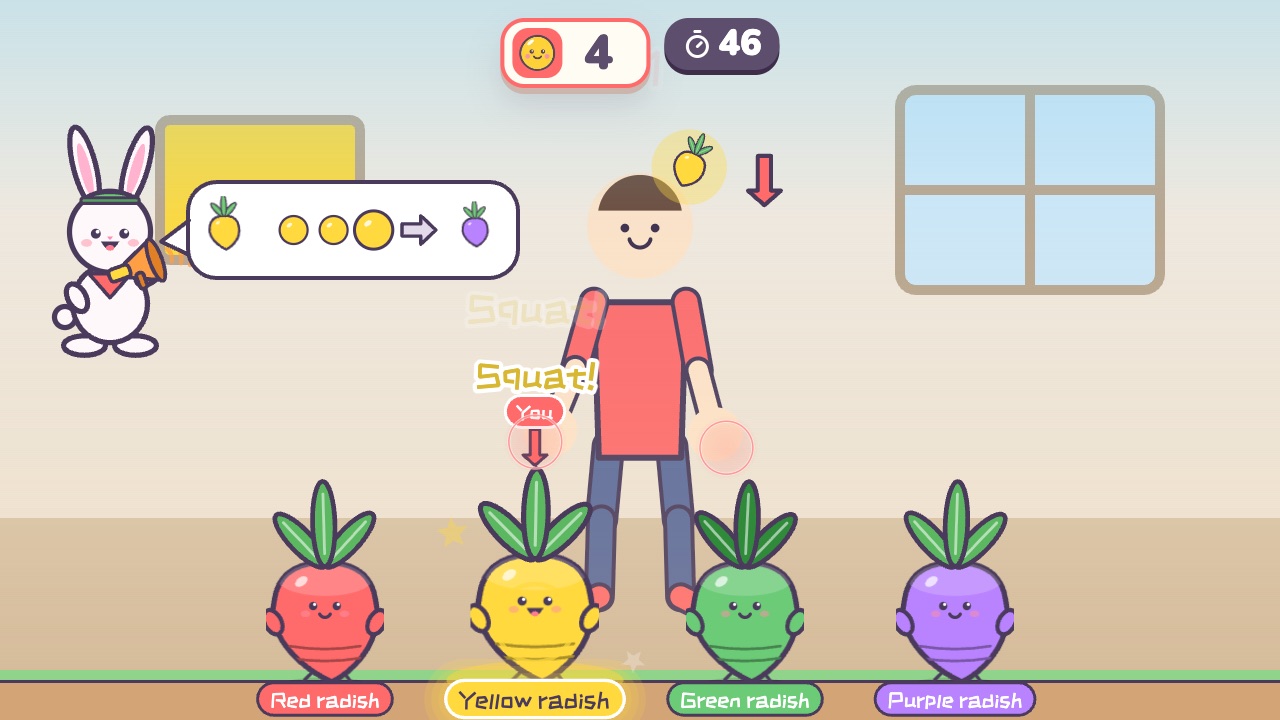 Radish SquatSquat when your color is called, and stay still when it is notAges 3–10 · Moderate activity · Whole body / Run & jump / Thinking
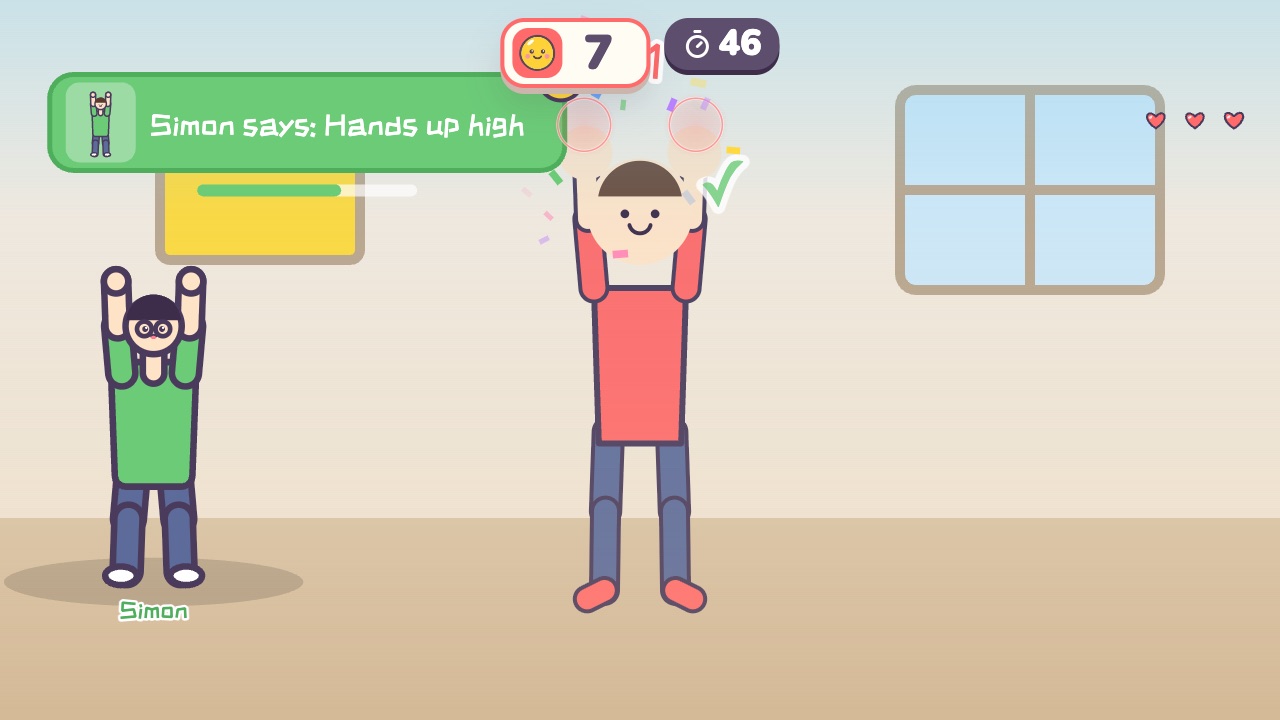 Simon SaysOnly move when Simon says soAges 4–10 · Moderate activity · Whole body / Thinking
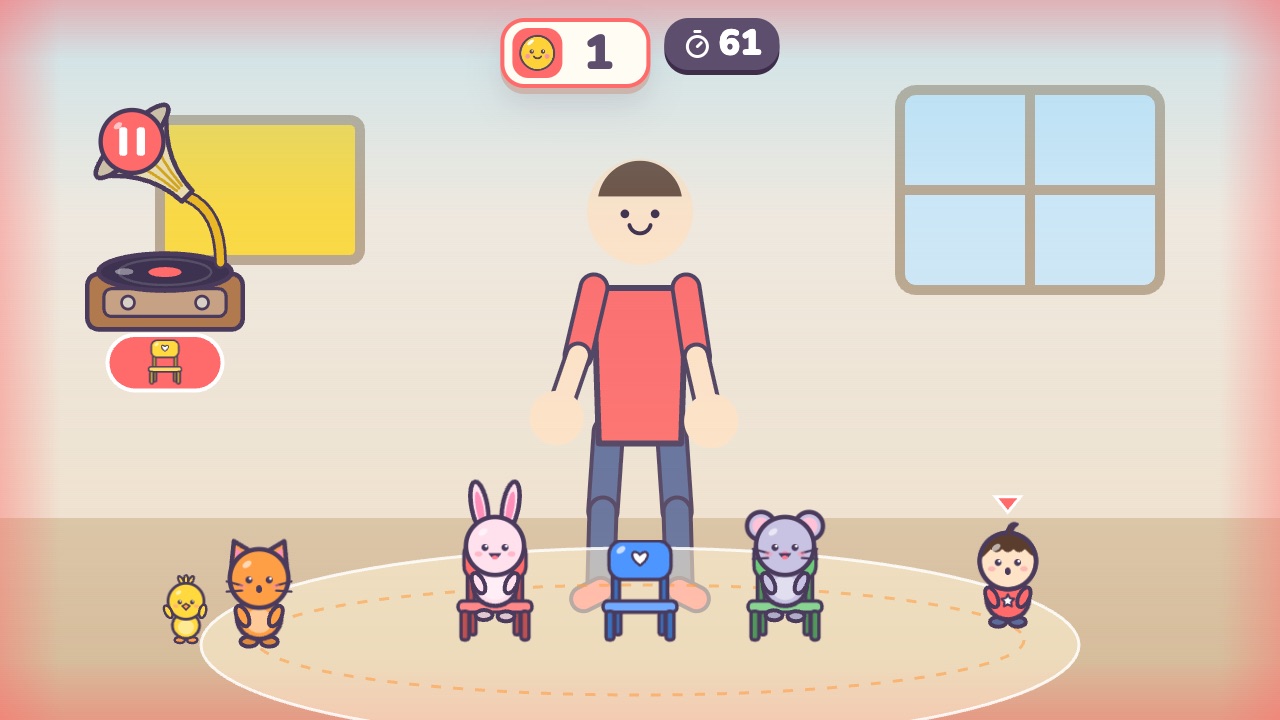 Musical ChairsMarch while the music plays, and squat down fast when it stopsAges 4–10 · Moderate activity · Whole body / Rhythm / Run & jump
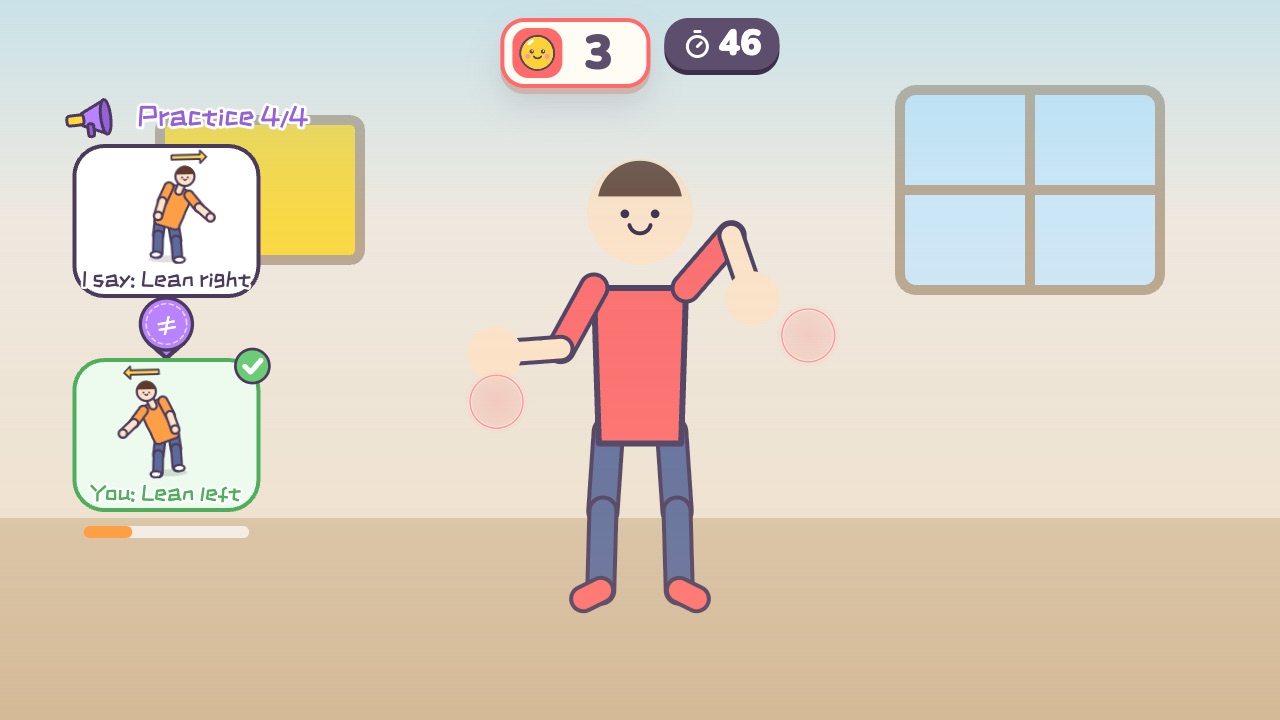 Do the OppositeI say arms up, you squat down. Only the opposite move countsAges 4–10 · Moderate activity · Whole body / Thinking
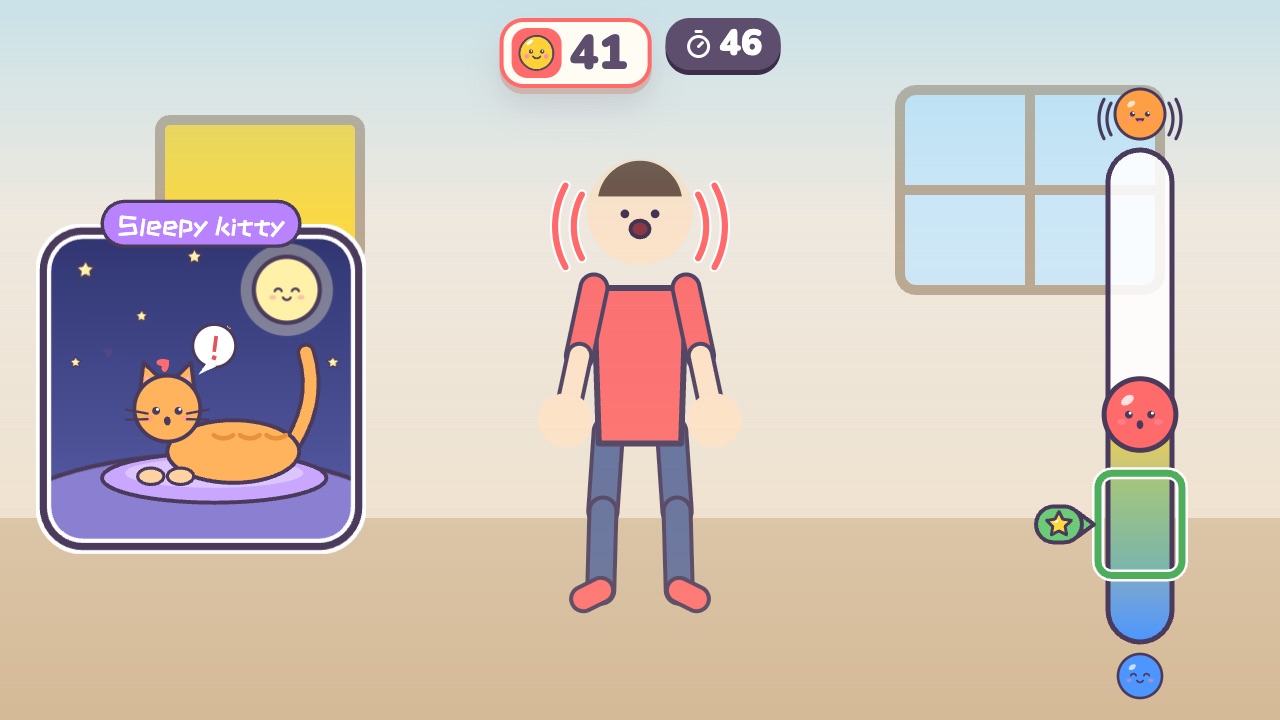 Whisper and ShoutSing softly for the sleeping kitty, and shout when the wolf comesAges 3–8 · Light activity · Calm / Thinking
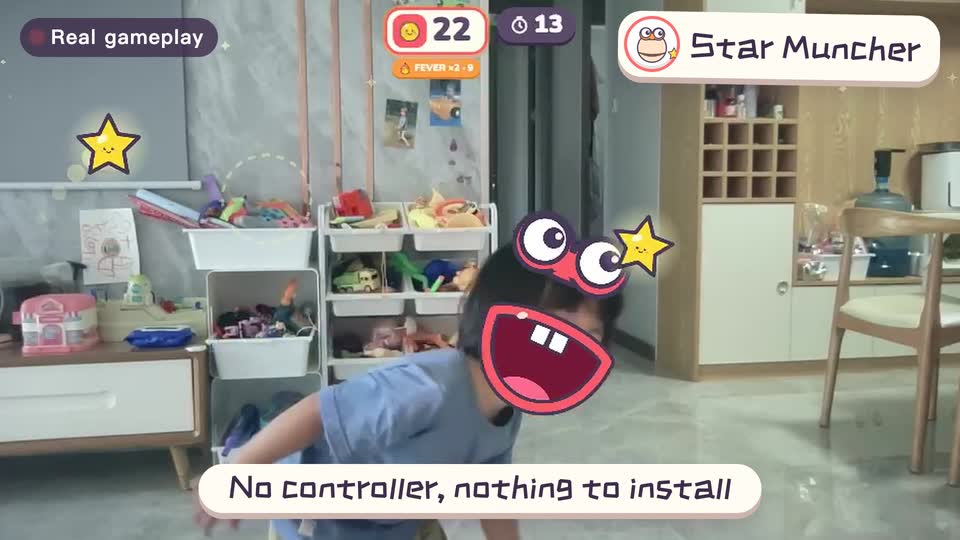
Real footage · 14 s
Kids stand in front of the computer and just move
100+ motion games for ages 3 to 18. Open the website and play: nothing to install, and the camera picture stays on this computer.
Keep reading
- How much should kids move each day? What the WHO says, and how to fit it in at home
- Screen time isn’t always sitting time: using screens to get kids moving
- When kids don’t like exercise: 6 ways to turn “I have to” into “I want to”
- Exercise and height: what actually helps kids grow (ages 6–14)
- Kids bouncing off the walls? A quiet 20-minute plan to burn off energy at home (ages 3–10)
- Winter exercise for kids: staying active when it’s too cold to go out