 DongDong Park
Proprioception games: for kids who are too rough, clumsy or always slumping (ages 3–12)
Updated
Proprioception is the body’s sense of itself: knowing, without looking, how high your arm is, how far your knee is bent and how hard your hand is squeezing. It gets practice when muscles and joints work hard: pushing, pulling, carrying, climbing, hanging, jumping. Kids who don’t know their own strength or look clumsy have often just had too little of this kind of play. Ten minutes a day is enough, with a little hard work and a little control.
What proprioception does
Muscles and joints have sensors that keep telling the brain where each part of the body is, how it is moving and how much force it is using. Touching your nose with your eyes closed, walking upstairs without looking at your feet, holding an egg without crushing it: that is all proprioception.
Things you might notice
- Doesn’t know their own strength: a pat on a friend turns into a push, the pencil goes through the paper, doors slam.
- Looks clumsy: is slow to learn a dance or an exercise routine and has to watch their own hands and feet to get it right.
- Slumps over the table after a few minutes, leans on other people, loves tight hugs and flopping onto the couch.
All of this is very common in preschoolers. Usually strength and control just haven’t developed yet, and more play helps.
On-screen games by age
Ages 3–5: use those muscles
- Carrot Pull (ages 3–8): squat down, grab the leaves and stand up hard to pull the carrot out. Big carrots take a few pulls. Squatting and standing back up is the simplest kind of hard work.
- Saw the Log (ages 3–8): hold the big saw with both hands and pull it one way, then the other. With two players, the saw only moves when you both go the same way.
- Animal Moves (ages 3–8): hop like a bunny, swing your trunk like an elephant, tuck in like a turtle. One round has several different poses.
- Say Cheese (ages 3–9): strike the pose during the three-second countdown, then hold still when the camera clicks.
Ages 4–8: get into a pose and hold it
- Shape Wall (ages 4–12): a wall slides toward you with a body-shaped hole in it, and you make the same pose to pass through. You have to know what your arms and legs are doing right now.
- Simon Says (ages 4–10): strike the pose you hear, like hands up, hands on hips or standing on one foot, but only when Simon says so.
- Tug of War (ages 4–16): pull the rope back hard with both hands, again and again, in a steady rhythm.
- Hoop Shots (ages 5–16): lift the ball over your head with both hands and throw it forward. Too hard or too soft and it misses.
- Human Clock (ages 6–11): your straight arm is the minute hand and your bent arm is the hour hand. Show the time on the screen, then hold still.
Ages 8 and up: precise poses, holding on
- Rock Climbing (ages 9 and up): hands and feet take turns grabbing the holds. Keep at least three holds before you move the fourth.
- Flag Code (ages 8–16): point your two arms in different directions to make letters. The angles have to be right.
Learning to go gently
Using force is half of it; holding back is the other half. These three are slow and gentle, so they work well at the end:
- Bubble Pop (ages 3–7): a light touch of the finger pops a bubble.
- Little Gardener (ages 3–7): hold your hand over the flowerpot to water it, and move it away when the water reaches the green line. Too much or too little doesn’t count.
- Firefly Catch (ages 3–8): open your hand, gently cover a firefly, hold still, and make a fist when it lights up.
Heavy work at home, no equipment needed
- Push. Push a box full of books or a shopping cart. Put both hands on the wall and “push the wall away”.
- Pull. Play tug-of-war with a towel, or pull a stuffed animal along on a blanket.
- Carry. Help carry the groceries or a stack of books. Carry a bowl of water across the room without spilling.
- Crawl and hang. Bear crawls, crab walks, hanging from a bar for a few seconds, the climbing frame.
- Squeeze. Roll up in a blanket like a burrito while a grown-up presses gently through a cushion.
- Jump. Jump down from a low step, bounce on a trampoline, jump rope.
Many parents and teachers find that two or three minutes of heavy work before a focused task, like writing, drawing or a meal, helps kids settle and sit still. Try it for a few days and see whether it works for your child.
A 10-minute daily plan
- Hard work first: Carrot Pull, Tug of War or pushing a box, two or three minutes.
- Then control: Shape Wall, Simon Says or Human Clock, two or three rounds.
- Finish gently: Bubble Pop, Little Gardener, or carrying a bowl of water across the room.
- Chores are the best practice of all: carrying, lifting, wringing, wiping. Give your child a little to do every day.
Anything your child pushes or carries should take some effort but still be manageable, never too heavy. Squeezes are gentle, the head always stays out, and you stop the moment your child says no. This is everyday play, not therapy. If your child is far clumsier than other kids their age, struggles with buttons, spoons and stairs, and it gets in the way of daily life, ask your pediatrician about a developmental evaluation.
More in this series
- Sensory play for kids: an overview of what to play for each sense, with a daily plan
- Balance games: vestibular play: leaning, spinning, standing on one foot
- Bilateral coordination games: getting both sides of the body to work together
- Listening games: hear it, remember it, do it
- Is sensory integration therapy worth it?: what to do at home, and when to see a doctor first
Games mentioned here
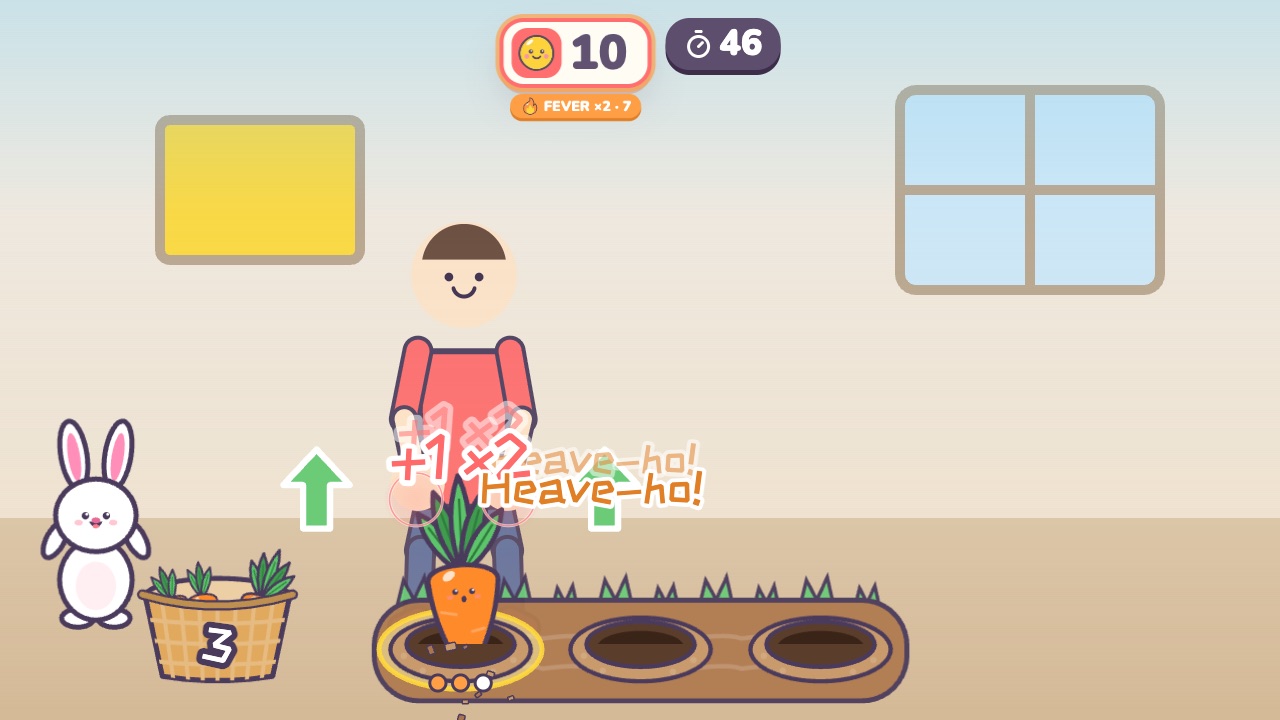 Carrot PullSquat down, grab the leaves and stand up to pull the carrotAges 3–8 · Moderate activity · Whole body / Run & jump / Fitness
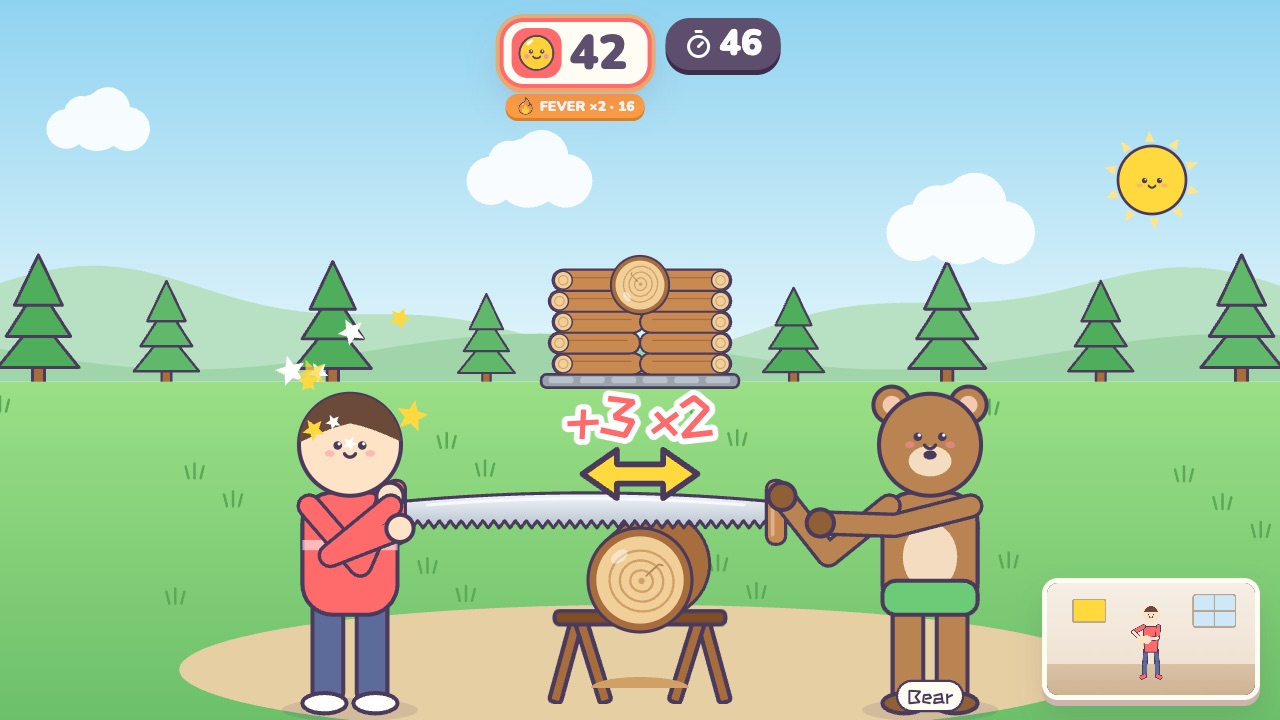 Saw the LogSaw logs together and build a little cabinAges 3–8 · Moderate activity · Team up / Hands / Whole body
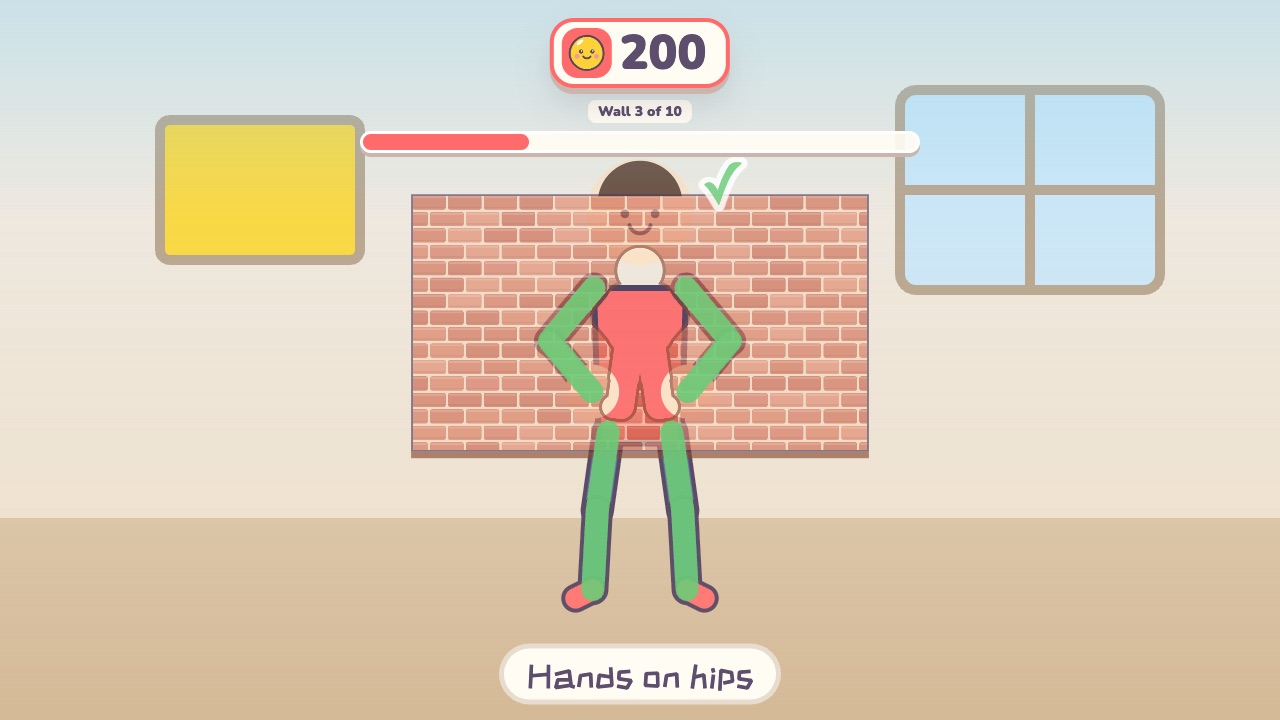 Shape WallMake the same shape as the hole in the wallAges 4–12 · Moderate activity · Whole body / Thinking
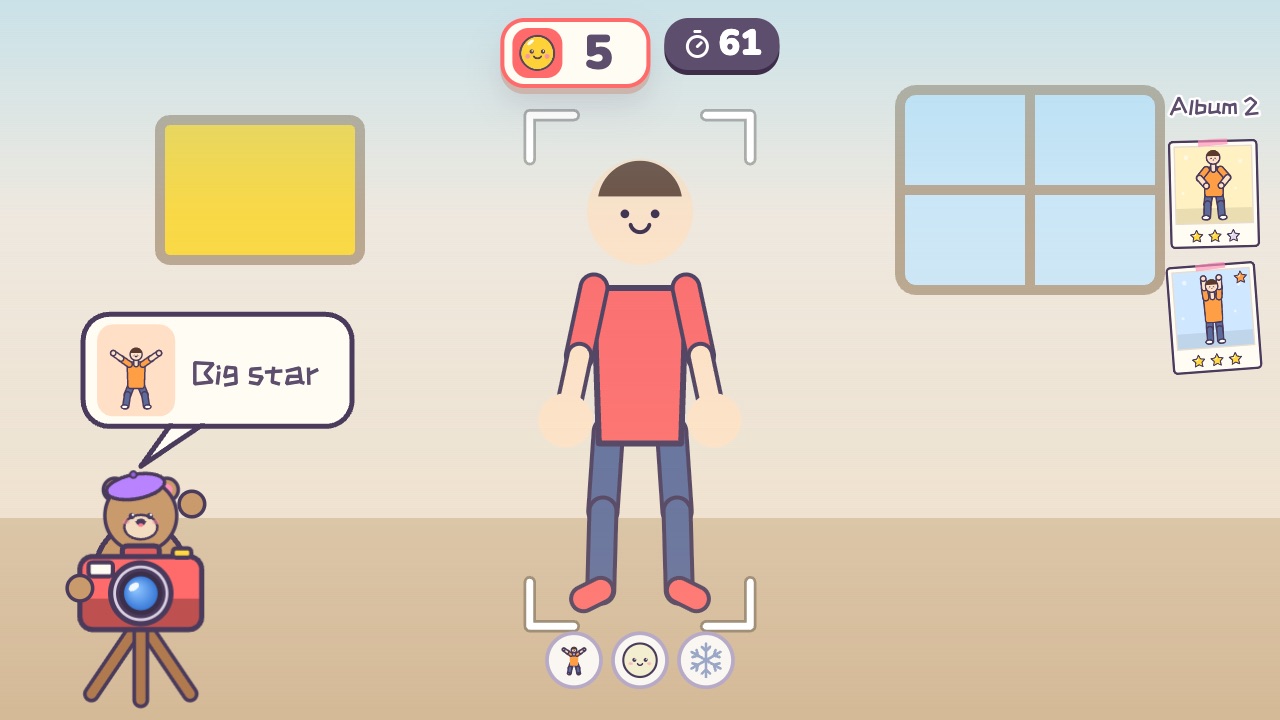 Say CheeseStrike a pose during the countdown, then smile and hold stillAges 3–9 · Light activity · Whole body / Calm
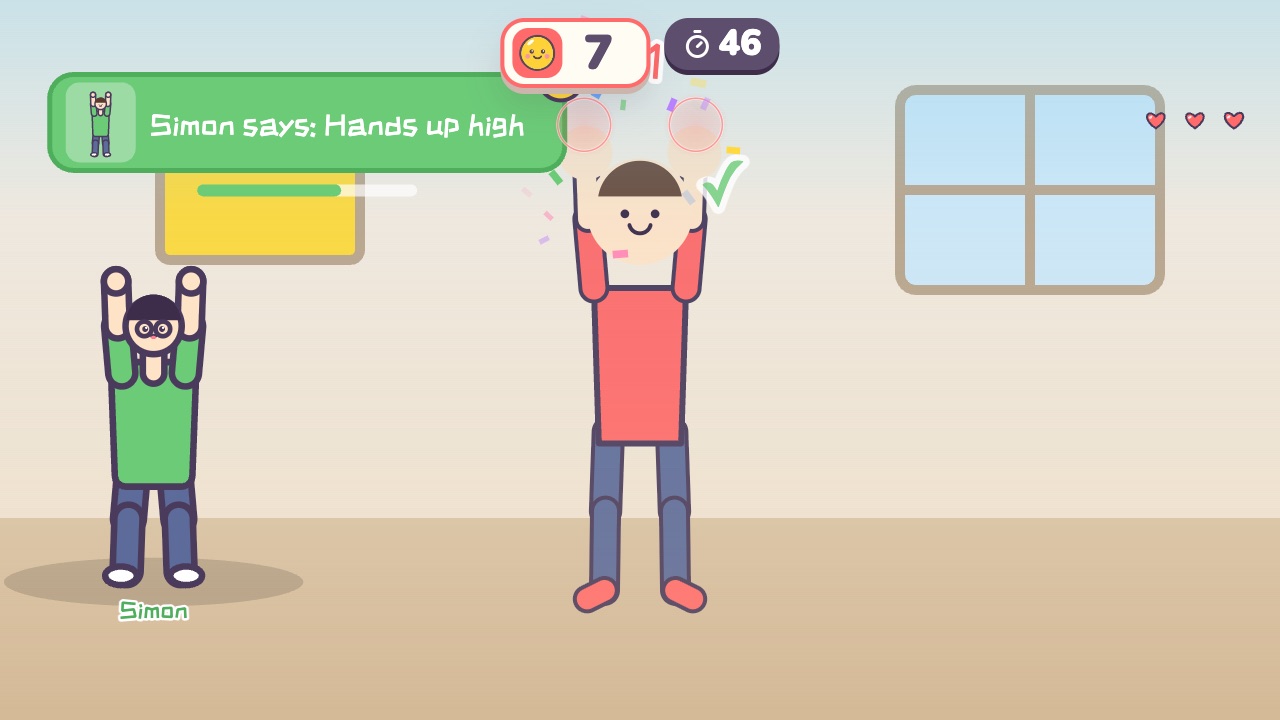 Simon SaysOnly move when Simon says soAges 4–10 · Moderate activity · Whole body / Thinking
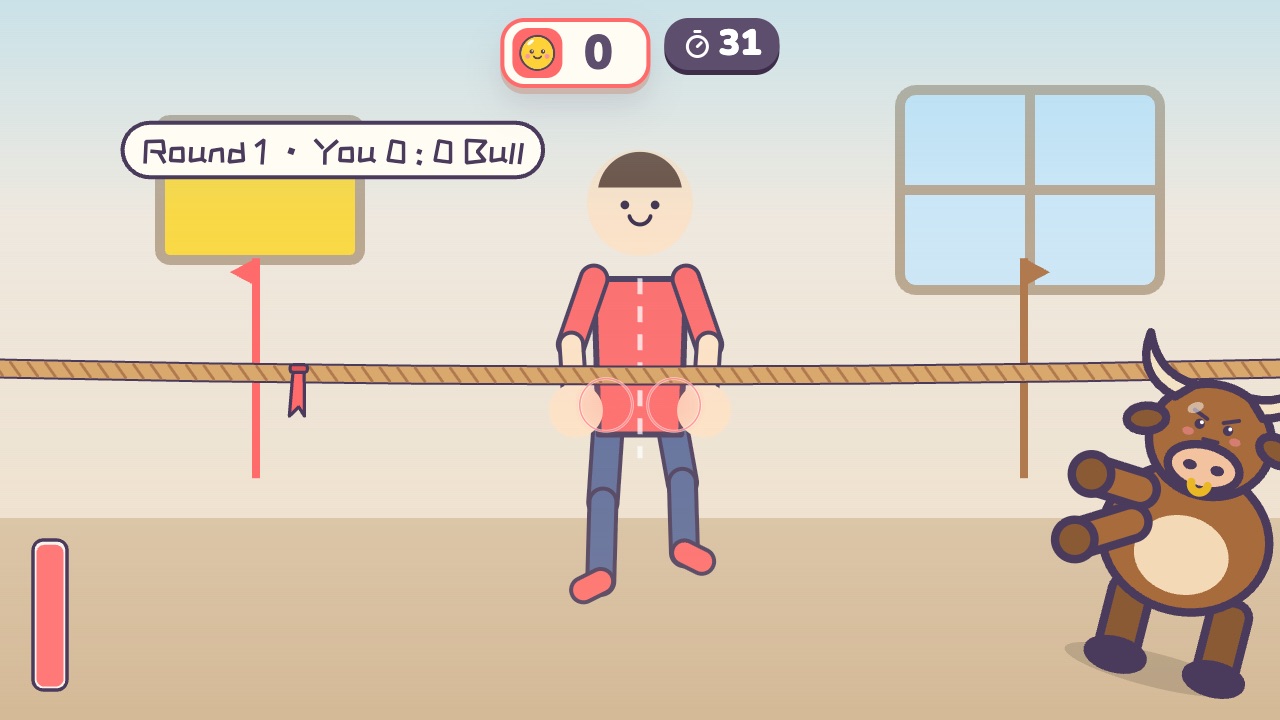 Tug of WarPull the rope back hard until the red flag crosses your lineAges 4–16 · High activity · Versus / Fitness / Hands
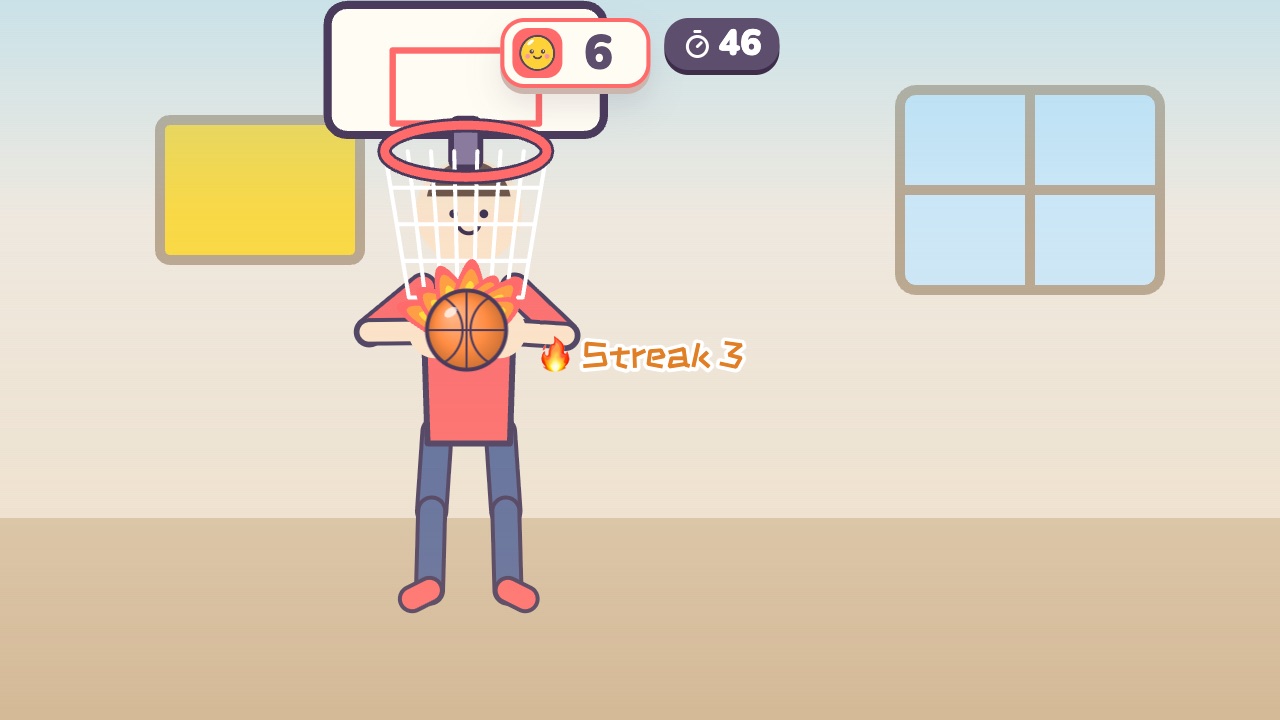 Hoop ShotsLift both hands over your head and shoot the ball into the hoopAges 5–16 · Moderate activity · Hands
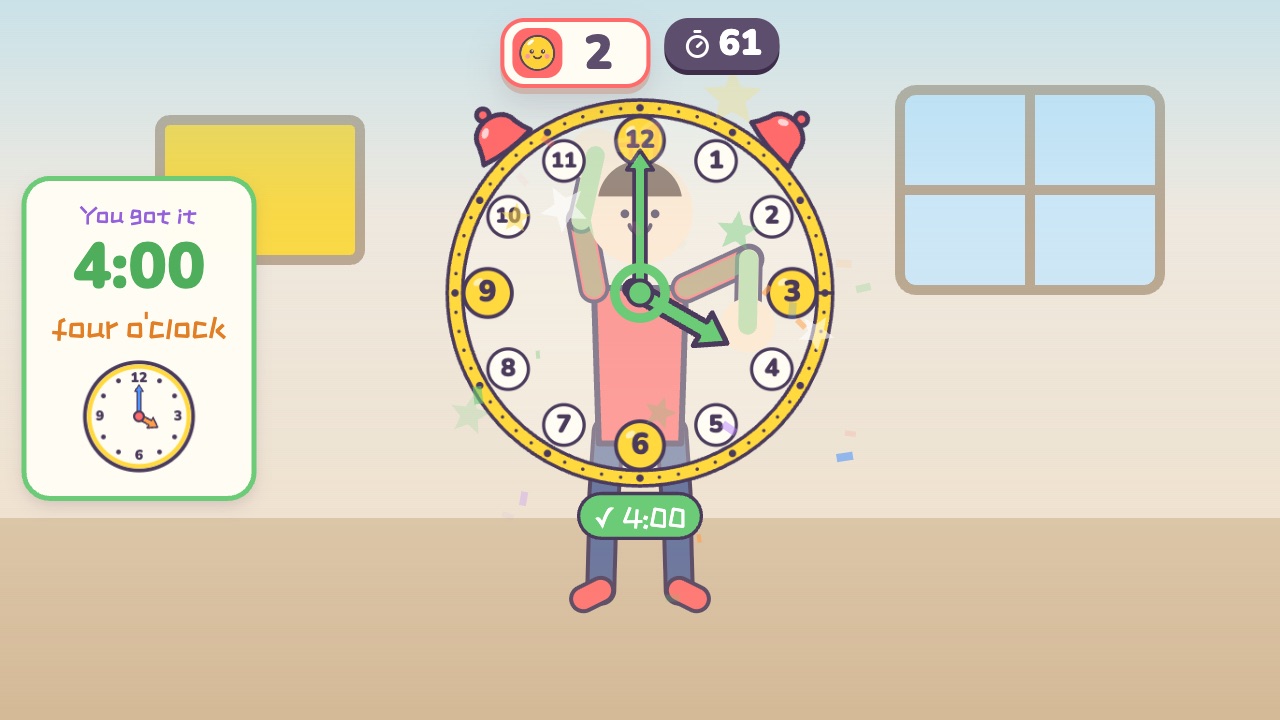 Human ClockYour straight arm is the minute hand, and your bent arm is the hour handAges 6–11 · Light activity · Thinking / Calm
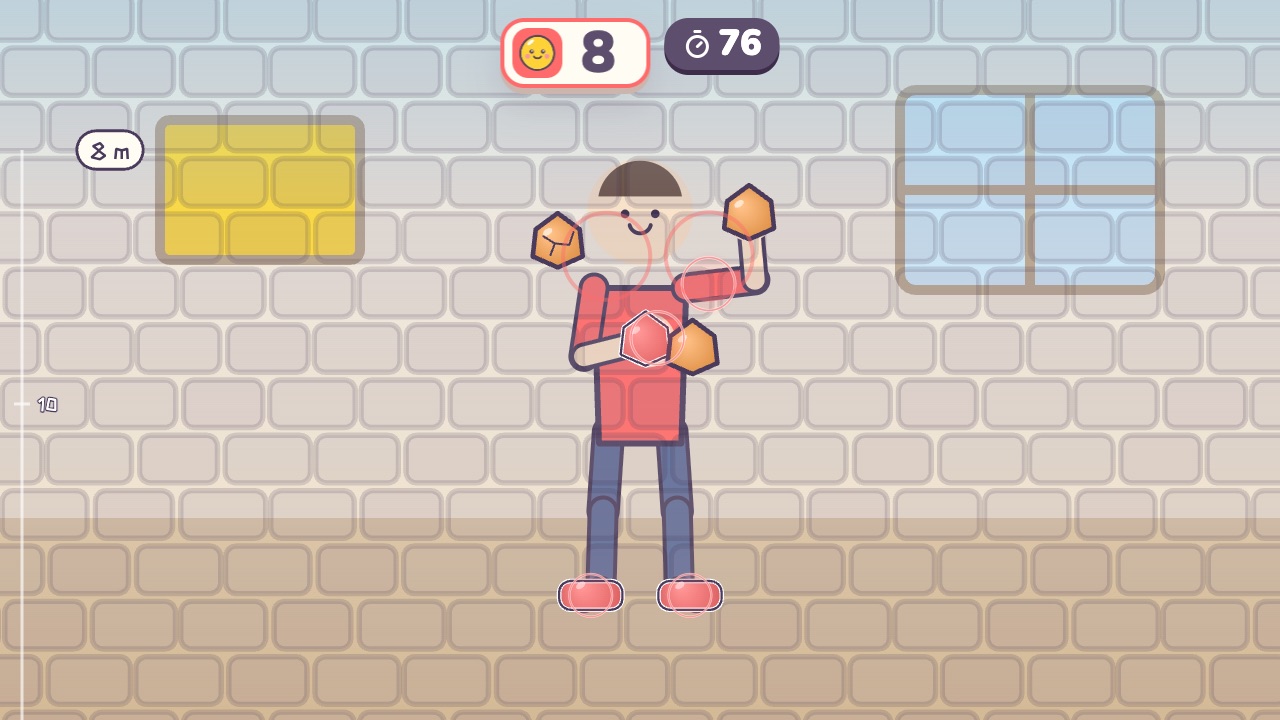 Rock ClimbingGrab the holds above you, one after another, and climb upAges 9–18 · High activity · Whole body / Fitness
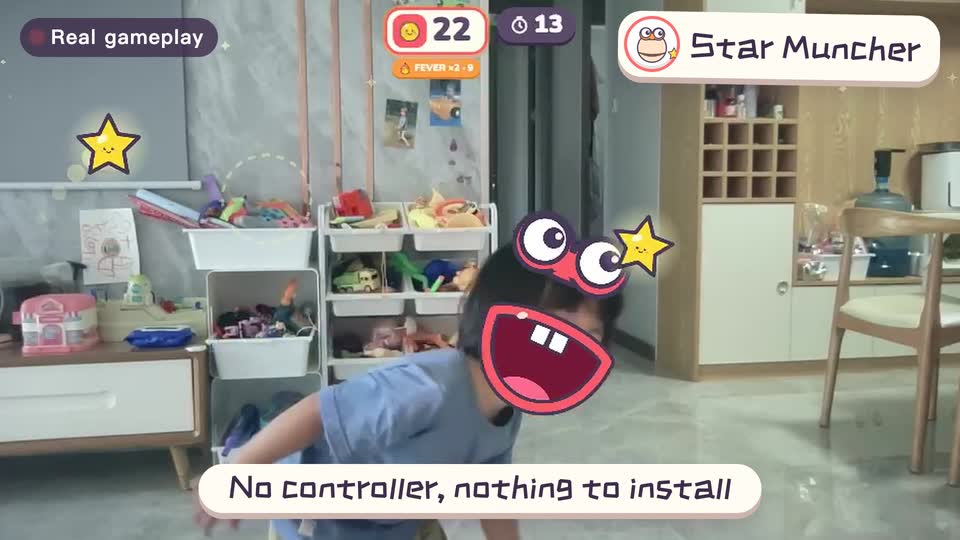
Real footage · 14 s
Kids stand in front of the computer and just move
100+ motion games for ages 3 to 18. Open the website and play: nothing to install, and the camera picture stays on this computer.
Keep reading
- How much should kids move each day? What the WHO says, and how to fit it in at home
- Screen time isn’t always sitting time: using screens to get kids moving
- When kids don’t like exercise: 6 ways to turn “I have to” into “I want to”
- Exercise and height: what actually helps kids grow (ages 6–14)
- Kids bouncing off the walls? A quiet 20-minute plan to burn off energy at home (ages 3–10)
- Winter exercise for kids: staying active when it’s too cold to go out