 DongDong Park
Is sensory integration therapy worth it? What you can do at home, and when to see a doctor
Updated
The short answer: most kids who are said to have “sensory issues” don’t need special sensory training sessions. Plenty of running, jumping, climbing and playing with sand and water every day is enough. Kids who clearly struggle with everyday things, like eating, getting dressed, going to preschool or playing with other kids, should first get a developmental evaluation from a doctor, before anyone signs them up for a program. Sensory integration therapy itself isn’t a scam, but the “sensory problem” label is handed out far too often.
Is it a waste of money? Separate three things
First, sensory integration is real. The idea comes from the American occupational therapist A. Jean Ayres in the 1970s: the brain puts together what all the senses tell it and directs the body to respond in the right way. Kids really do differ in balance, body control and coordination.
Second, “sensory processing disorder” is not an accepted stand-alone diagnosis. In a 2012 policy statement, the American Academy of Pediatrics put it plainly:
- Because there is no universally accepted framework for diagnosing it, sensory processing disorder generally should not be diagnosed.
- Trouble coping with sensations like sounds or touch can be seen in autism, attention-deficit/hyperactivity disorder (ADHD), developmental coordination disorder and childhood anxiety, so a full evaluation should look for other causes.
- Sensory-based therapies may be one part of a comprehensive treatment plan, but parents should be told that research on how well they work is limited and inconclusive.
- Families and their doctor can agree on a trial period, and parents can learn how to judge for themselves whether it is helping.
Third, the same behavior can have completely different causes. A child who can’t sit still, seems clumsy or hates noise might have a different developmental issue, or might simply be young, developing at their own pace and moving too little. Find the cause first, then talk about training.
Why a sensory checklist isn’t a diagnosis
- A common format is a questionnaire for parents, with answers like “often”, “sometimes” and “rarely”. It reflects impressions, and a different person filling it in might get a different result.
- Carelessness, picky eating, not liking to be touched and trouble sitting still are all common in preschoolers anyway, so a checklist can easily make a child look like they have a problem.
- The assessment is often done by the same business that sells the sessions, and the result decides whether you buy.
- Deciding whether a child’s development is on track is a doctor’s job, based on how the child has developed since birth, an in-person exam and standardized assessments.
So treat a checklist result as a reminder to keep an eye on things, not as a conclusion.
For most kids: get enough activity every day first
Many kids today move much less than earlier generations did: apartments, car rides, screens at home. They get far fewer chances to crawl, roll, swing and play with sand and water. Balance, body control and coordination are all built in exactly that kind of play.
The World Health Organization recommends that 3- and 4-year-olds get at least 180 minutes of physical activity a day, of which at least 60 minutes is moderate to vigorous, and that kids and teens aged 5 to 17 average at least 60 minutes of moderate to vigorous activity a day. Start by checking whether your child is getting that much.
- Play outside every day: swings, slides, climbing frames, the sandbox, bikes, jump rope.
- Give kids jobs: carrying things, moving books, kneading dough, washing vegetables, wiping the table.
- 15 to 20 minutes of small games a day, chosen for balance, body control, two-sided coordination and following directions: see sensory play for kids.
- On rainy or cold days when you can’t get out, motion games can cover the “moving the body” part.
When to see a doctor first
If your child clearly struggles more than other kids their age with the things below, it has gone on for several months, and it already affects daily life, talk to your pediatrician about a developmental evaluation (they may refer you to a developmental-behavioral pediatrician or a pediatric therapist):
- Big movements: falls or bumps into things often; is clearly behind on stairs, running and jumping.
- Hand skills: using a spoon, doing buttons, holding a pencil and using scissors are all very hard.
- Reactions to sensations: reacts very strongly to everyday sounds, clothing tags, hair washing or nail trimming, or barely notices pain, heat or cold.
- Language and social skills: talks much later than other kids, doesn’t respond to their name, doesn’t look at people or play with other kids.
- Attention and mood: can’t sit still at home or at preschool; tantrums are frequent, long and hard to soothe.
- Going backward: loses skills they already had.
None of this means something is definitely wrong, but it’s worth having a doctor take a look. Finding out early means kids who need help can start sooner, and parents of kids who don’t can stop worrying.
Thinking about a sensory program? Ask these questions first
- What exactly is my child struggling with, and what should get better after the sessions? “Can go up and down the stairs alone” is much clearer than “better sensory integration”.
- How often will progress be checked? If nothing has changed in that area after two or three months, what then?
- What is the background of the person running the sessions? A trained occupational or rehabilitation therapist and someone with a certificate from a few days’ course are not the same thing.
- Can we try a few sessions before deciding, instead of buying a big package up front?
- Can we do the activities from the sessions at home?
If a doctor’s evaluation recommends occupational therapy or other therapy, follow that advice, ideally at a hospital or a properly licensed therapy practice.
Can motion games count as sensory training?
Not as treatment, but as everyday exercise, yes. When kids stand up and lean, balance on one foot, strike poses and move on command, they practice balance, body control, two-sided coordination and following directions. They don’t practice touch, and swinging, rolling and climbing still need the real thing. For kids who are developing typically and just don’t move enough, they are one way to make daily movement easier to keep up. Articles on each area: balance (vestibular) games, body awareness (proprioception) games, bilateral coordination games and listening games.
This is general information for parents. It can’t replace a doctor’s judgment about a particular child.
Games mentioned here
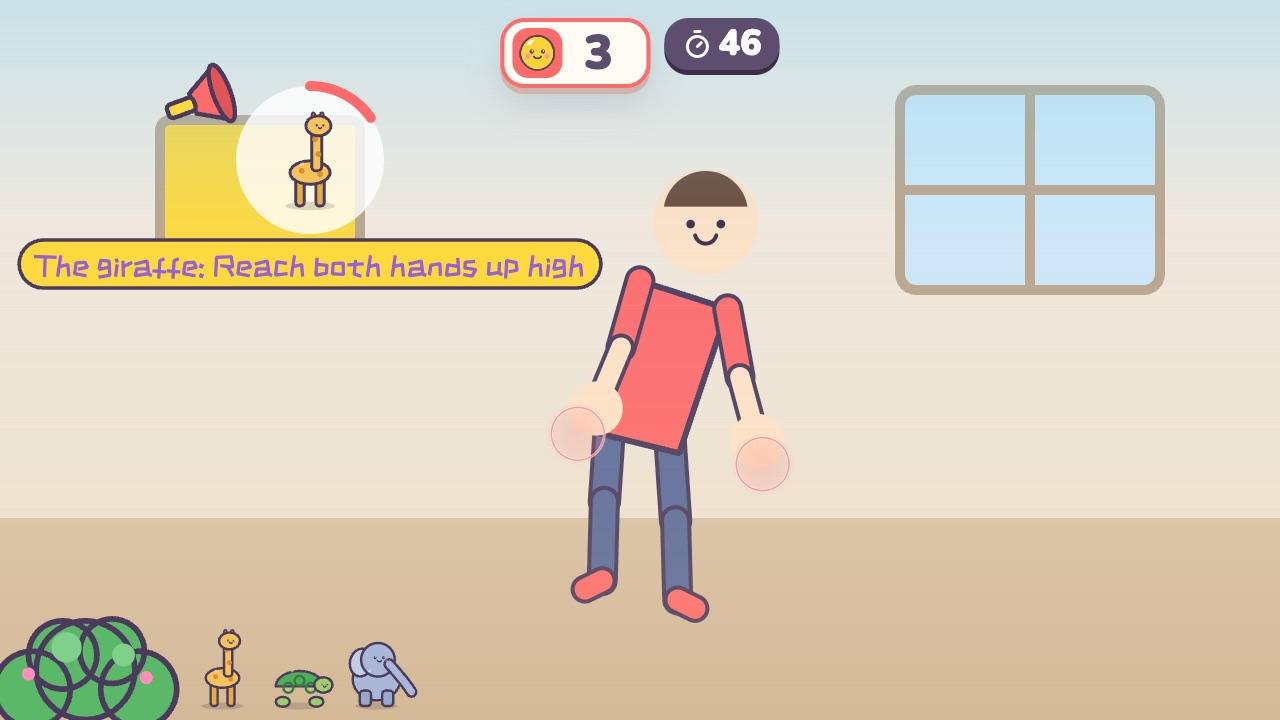 Animal MovesDo the move of whichever animal gets calledAges 3–8 · Moderate activity · Whole body
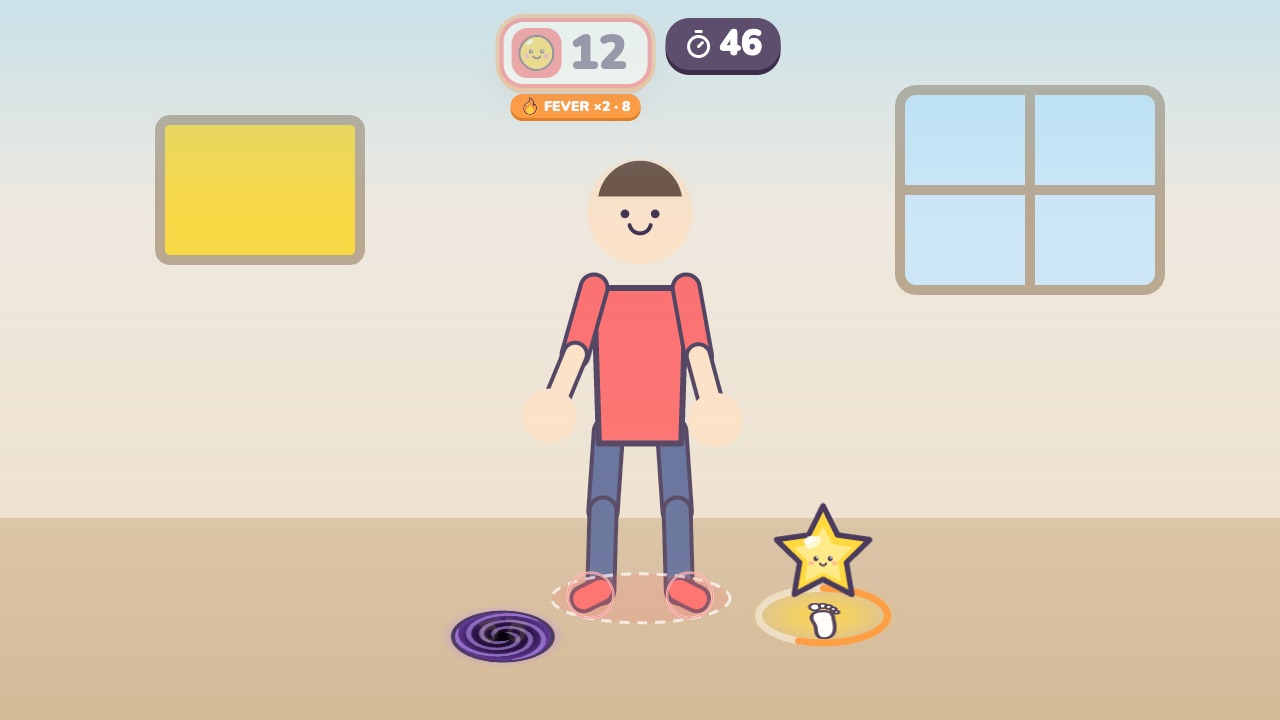 Star StompStars light up in front of your feet. Stomp on themAges 4–12 · Moderate activity · Run & jump
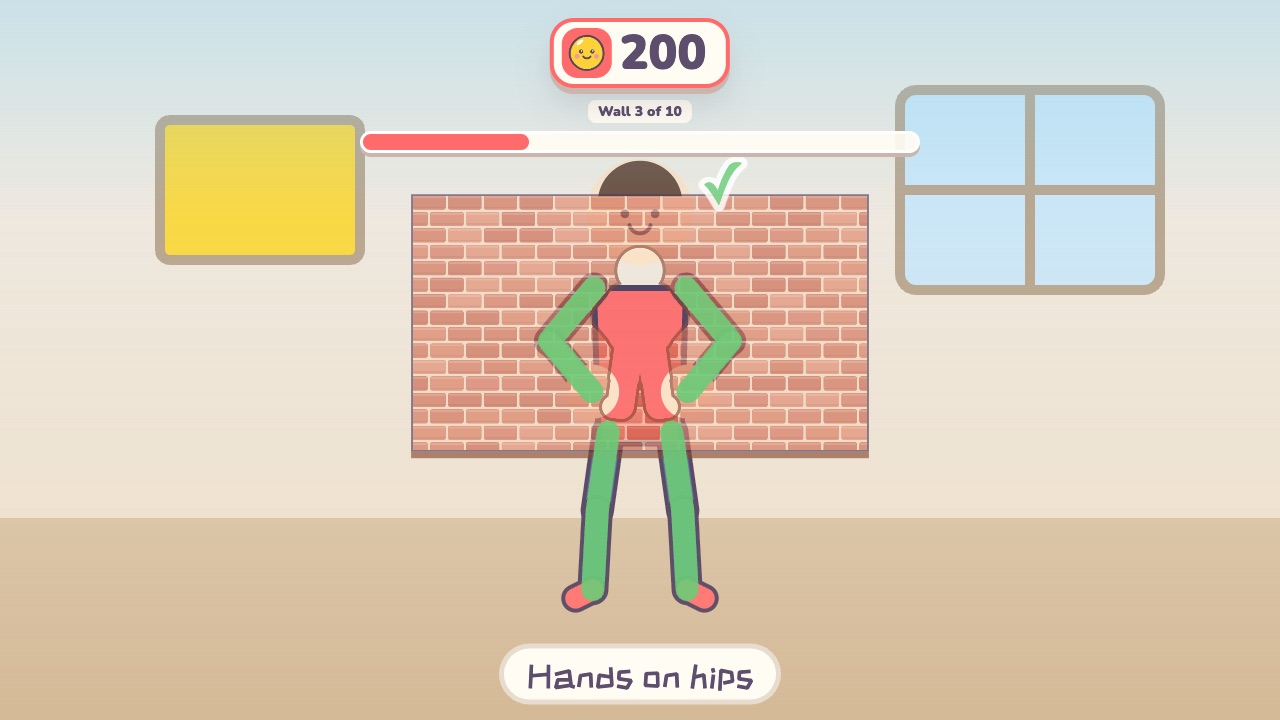 Shape WallMake the same shape as the hole in the wallAges 4–12 · Moderate activity · Whole body / Thinking
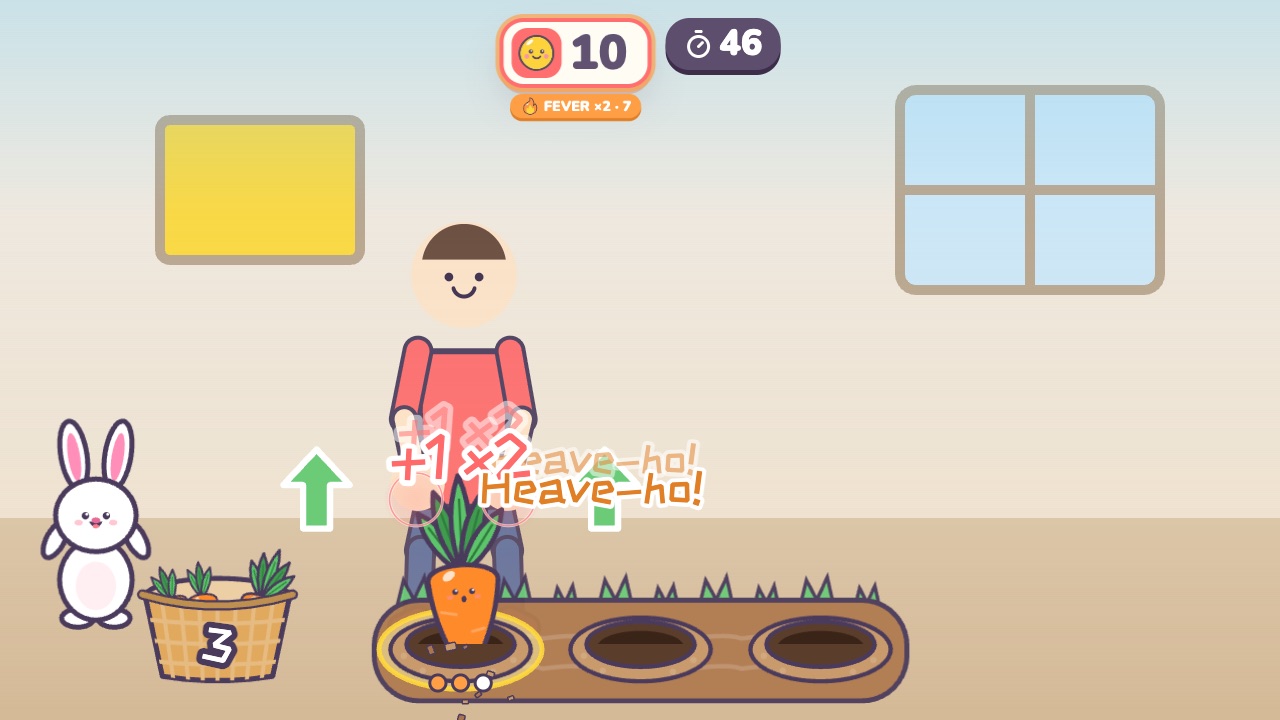 Carrot PullSquat down, grab the leaves and stand up to pull the carrotAges 3–8 · Moderate activity · Whole body / Run & jump / Fitness
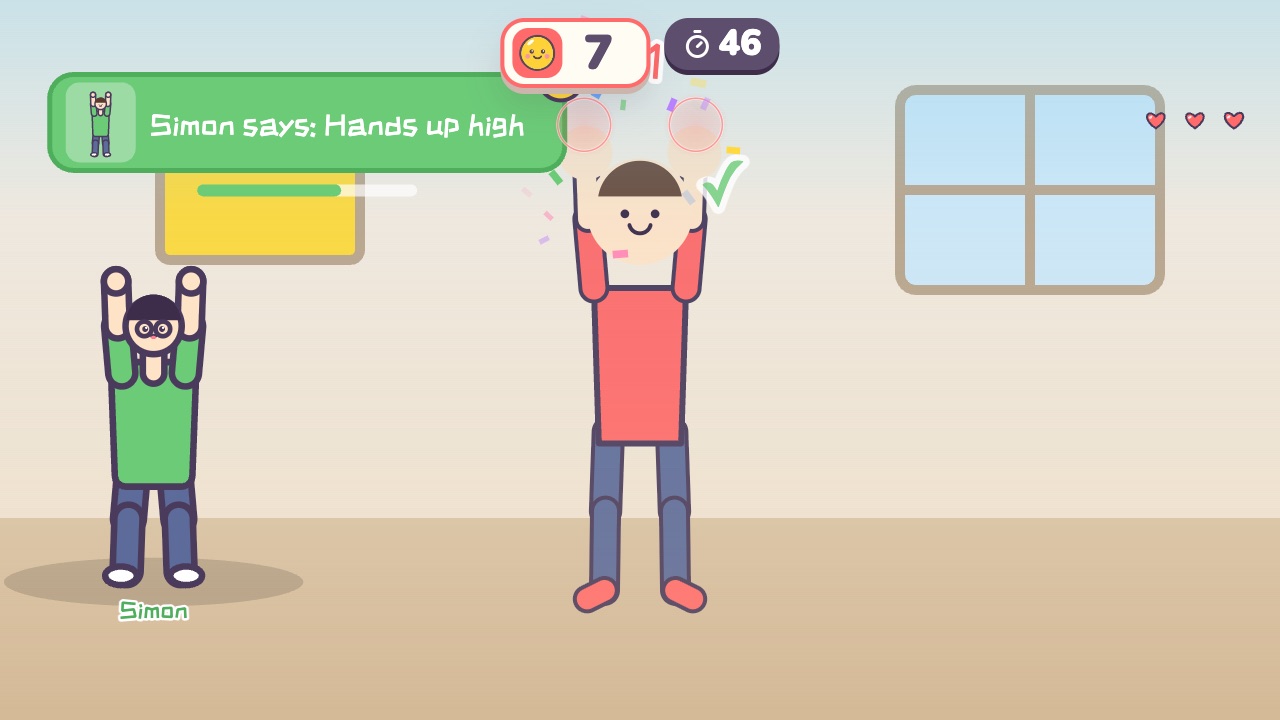 Simon SaysOnly move when Simon says soAges 4–10 · Moderate activity · Whole body / Thinking
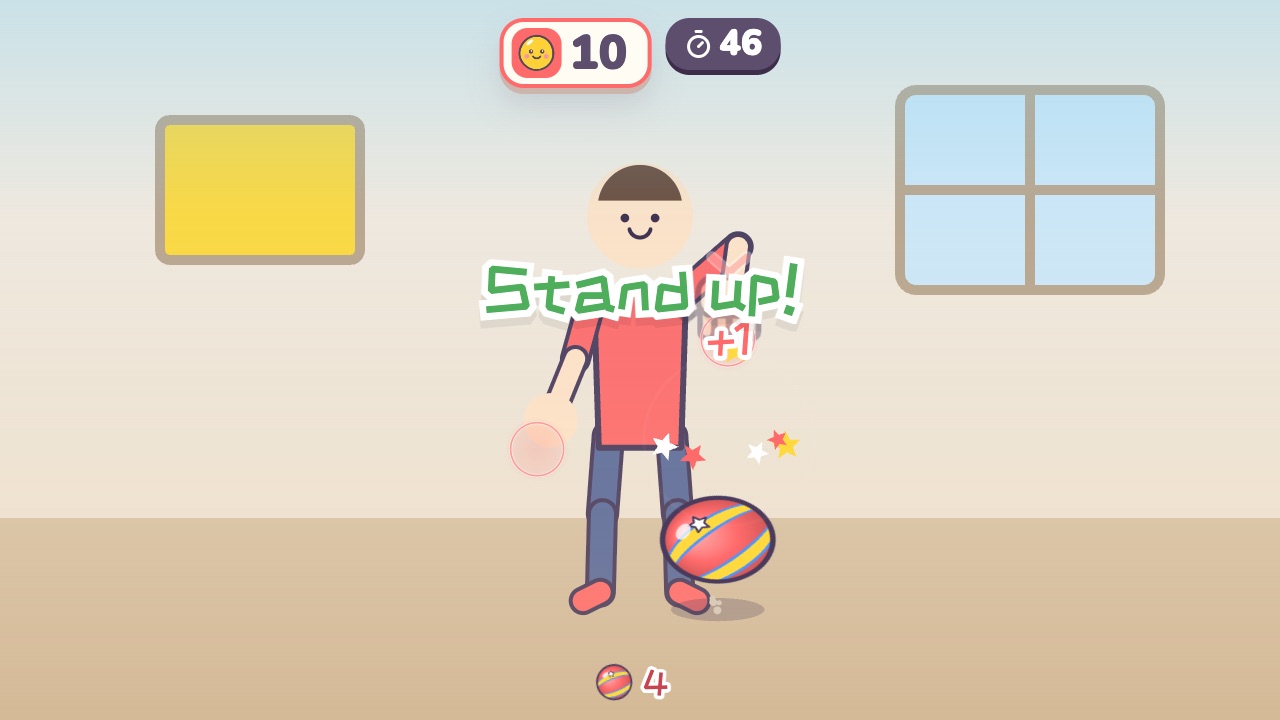 Bounce the BallPush the ball down each time it bounces up, and listen for the callsAges 5–12 · Moderate activity · Hands / Rhythm
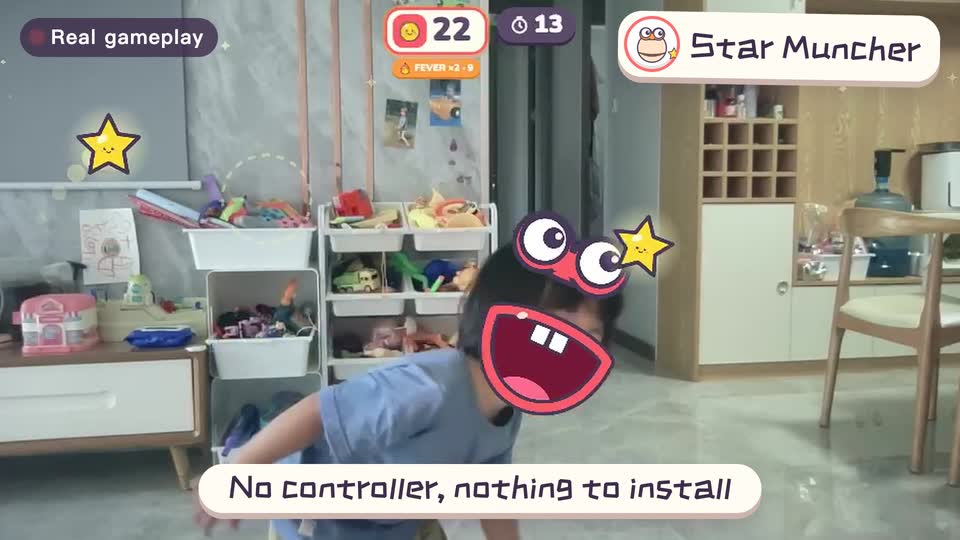
Real footage · 14 s
Kids stand in front of the computer and just move
100+ motion games for ages 3 to 18. Open the website and play: nothing to install, and the camera picture stays on this computer.
Sources
- Sensory Integration Therapies for Children With Developmental and Behavioral Disorders. American Academy of Pediatrics. Policy statement, Pediatrics, 2012, vol. 129, no. 6; the link is the abstract in the U.S. National Library of Medicine
- Guidelines on physical activity, sedentary behaviour and sleep for children under 5 years of age. World Health Organization. 2019
- WHO guidelines on physical activity and sedentary behaviour. World Health Organization. 2020
Keep reading
- How much should kids move each day? What the WHO says, and how to fit it in at home
- Screen time isn’t always sitting time: using screens to get kids moving
- When kids don’t like exercise: 6 ways to turn “I have to” into “I want to”
- Exercise and height: what actually helps kids grow (ages 6–14)
- Kids bouncing off the walls? A quiet 20-minute plan to burn off energy at home (ages 3–10)
- Winter exercise for kids: staying active when it’s too cold to go out