 DongDong Park
Vestibular activities: balance games for kids who wobble and trip (ages 3–12)
Updated
The vestibular sense is the sense of balance. When the head tilts, the body turns or suddenly stops, it tells the brain what just happened, and that is how we stay on our feet. You can’t explain balance to a child: it is learned by swinging, spinning, rolling, jumping and walking narrow paths, over and over. Ten minutes a day is enough: two or three rounds of an on-screen game that makes kids lean or stand on one foot, plus one or two activities away from the screen.
What the vestibular sense does
Deep inside each ear is a set of tiny organs that sense how the head is moving: rushing forward, jumping up, spinning, tilting. The brain combines that with what the eyes see and what the feet feel, so we can stand still, walk steadily, and keep our eyes on something while the head is moving.
Kids are born loving swings, spinning in circles and jumping off things: they are seeking out exactly this feeling. Kids who sit a lot, get carried a lot and run and jump less simply get fewer chances to practice it.
Things you might notice
- Trips and falls more than other kids the same age when walking or running, and always holds the railing on the stairs.
- Can’t stand on one foot, and gets nervous walking along a curb or anything a little narrow.
- Is very scared of swings, slides or being lifted up, or the opposite: never gets dizzy, however much they spin, and can’t stop.
These are only hints to give balance more playtime, not symptoms. Plenty of 3- and 4-year-olds still wobble when they stand on one foot.
On-screen games by age
Ages 3–5: start with move and stop
- Red Light, Green Light (ages 3–10): move as much as you can on green light, and freeze the moment you hear “red light”. That switch from moving to perfectly still is great practice for staying steady.
- Animal Moves (ages 3–8): hop like a bunny, tuck in like a turtle, flap like a bird. The head and body keep changing direction.
- Star Stomp (ages 4–12): stars light up in front of the feet. Stomp the ones on the left with the left foot and the ones on the right with the right foot. Every stomp means balancing on the other foot for a moment.
Ages 5–8: leaning and hopping
- Slalom Ski (ages 5–10): lean left to ski left and lean right to ski right, passing between each pair of little flags.
- Sky Pilot (ages 5–14): spread your arms like wings and lean into the turns to fly through the golden rings.
- Hopscotch (ages 5–12): land on one foot for a single square and on two feet for a double square. Hop up to ten, then hop back.
- Trampoline Stars (ages 5–12): time each jump to bounce higher and higher and grab the stars.
- Bike Ride (ages 5–15): lift your knees one after the other to pedal, and lean left and right to steer.
Ages 8 and up: finer control
- Surfing (ages 8–16): lean to keep the surfboard on the wave, crouch low when a big wave comes, and jump at the top.
- Tilt Maze (ages 9 and up): lean slowly to tilt the maze board and roll the ball to the finish. Rush it and the ball drops into a hole.
Balance games without a screen
- Swing. A playground swing is the best balance toy there is. At home, hold both of your child’s hands and swing them gently from side to side, or have them sit on a blanket while you pull it across the floor.
- Spin. Spin around three times, stop, stand steady, then point to the door. Or spin slowly on a swivel chair: a few turns one way, then switch direction.
- Roll. Lie stretched out on a mat or a bed and roll sideways like a log.
- Walk a narrow path. Stick a line of tape on the floor and walk it forward, backward and heel to toe. Outside, hold hands along curbs and low walls.
- Stand on one foot. Who can be a flamingo the longest? Then switch feet.
- Jump. Jump down from one step, play hopscotch, bounce on a trampoline.
Your child decides how much spinning and swinging to do: if they say they’re dizzy, want to stop, or look pale, stop right away. As a rule of thumb, slow, rhythmic rocking calms kids down, while fast spinning that keeps changing direction winds them up, so leave that kind out at bedtime.
A 10-minute daily plan
- Two or three on-screen rounds (about a minute each): one move-and-stop game and one that has them leaning or on one foot.
- One or two activities away from the screen: walk the tape line once, spin three times and stand steady.
- When the weather is nice, go outside. Swings, slides, climbing frames, balance bikes and bikes beat anything else.
- A little every day does more than an hour once a weekend.
In a preschool classroom, balance makes a good station in a sensory circuit: a tape line to walk, a spot for one-foot stands, and the computer running Slalom Ski or Red Light, Green Light.
For balance games, clear the space around the player and make sure the floor isn’t slippery. With young kids, an adult stands close by. This is everyday play, not therapy. If your child often falls for no clear reason, walks in a way that looks clearly different from other kids, throws up every time they ride in a car or go on a swing, or loses skills they used to have, see your pediatrician or family doctor. Don’t just put it down to “poor balance”.
More in this series
- Sensory play for kids: an overview of what to play for each sense, with a daily plan
- Body awareness games: proprioception: heavy work, holding a pose, going gently
- Bilateral coordination games: getting both sides of the body to work together
- Listening games: hear it, remember it, do it
- Is sensory integration therapy worth it?: what to do at home, and when to see a doctor first
Games mentioned here
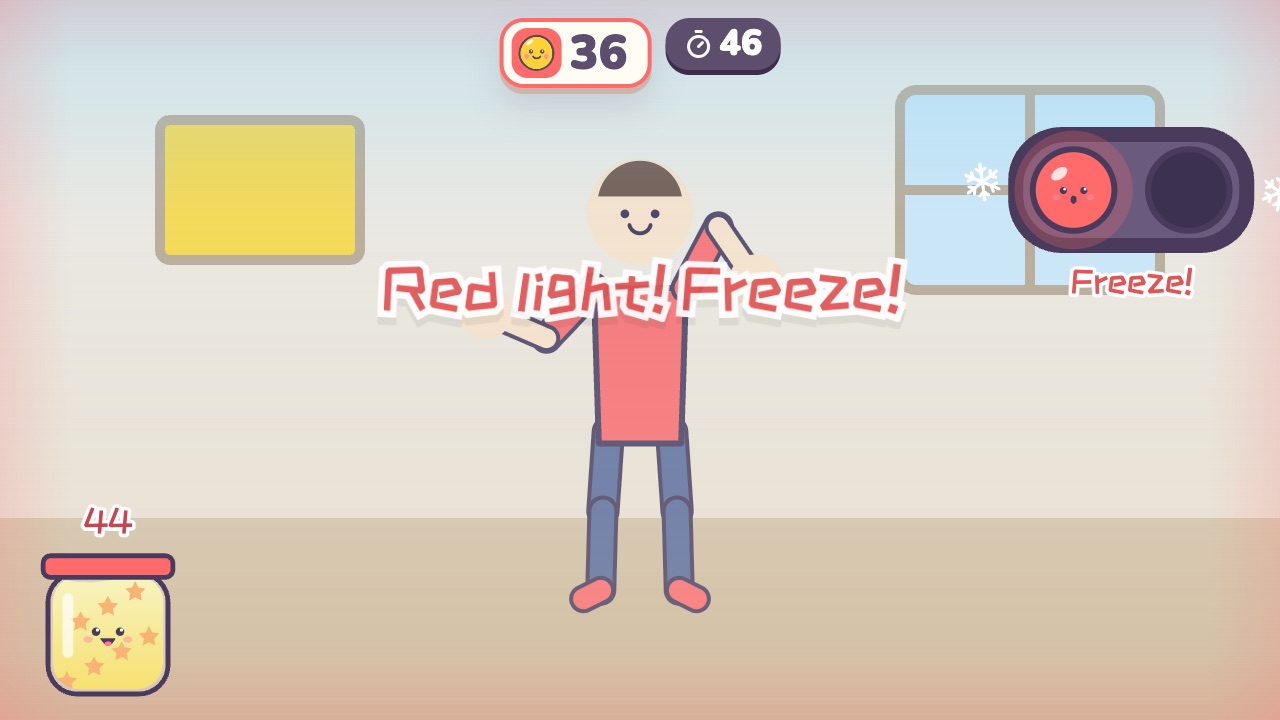 Red Light, Green LightMove like crazy on green light, and freeze the moment you hear red lightAges 3–10 · High activity · Whole body
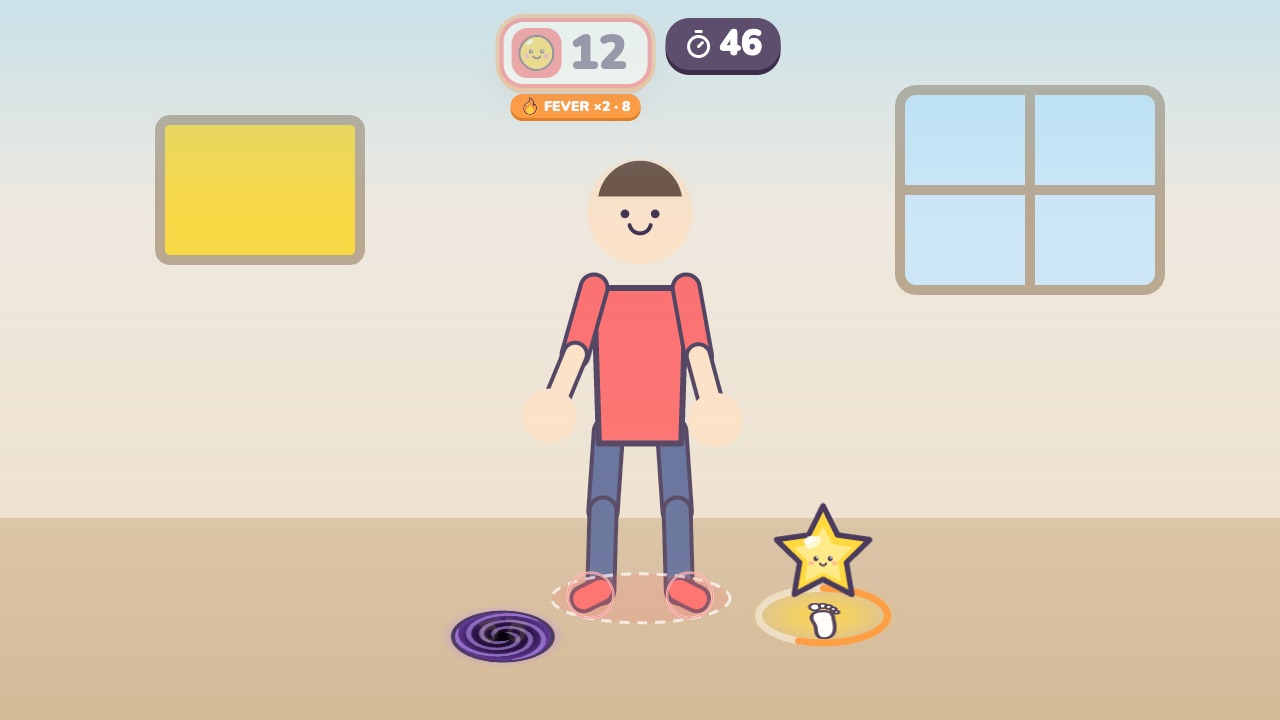 Star StompStars light up in front of your feet. Stomp on themAges 4–12 · Moderate activity · Run & jump
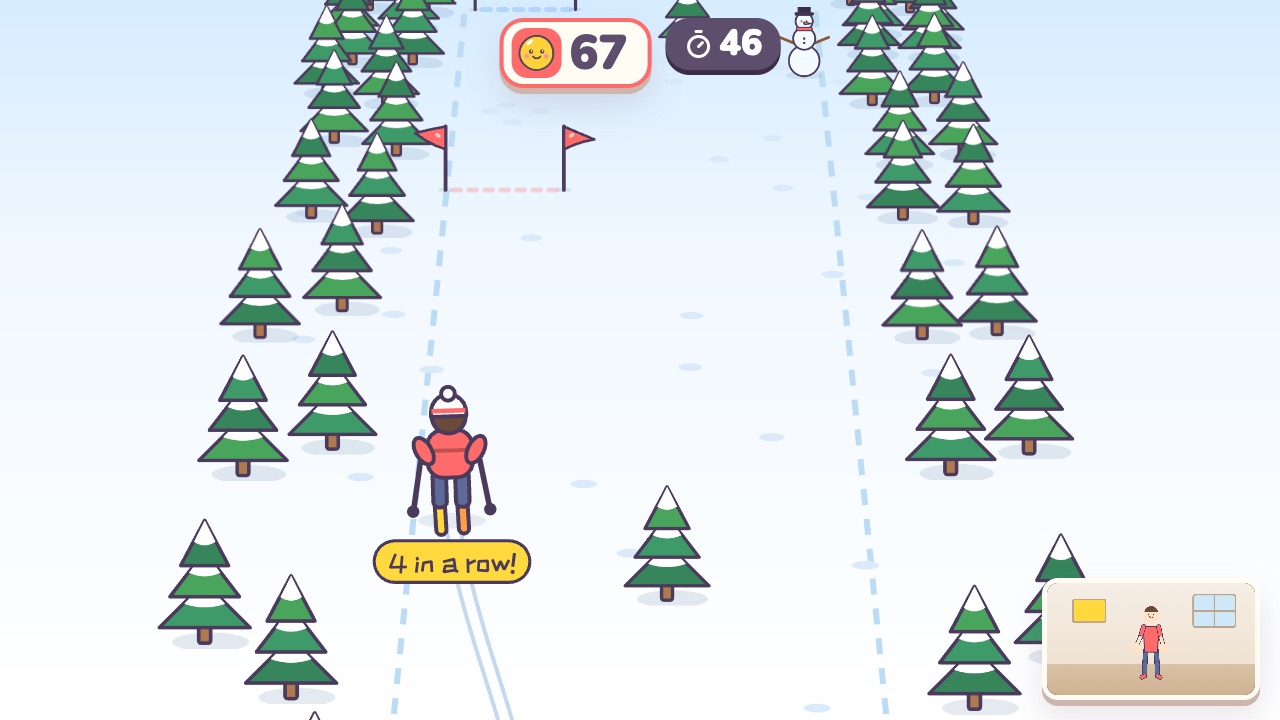 Slalom SkiLean left and right to ski through the flag gatesAges 5–10 · Moderate activity · Whole body
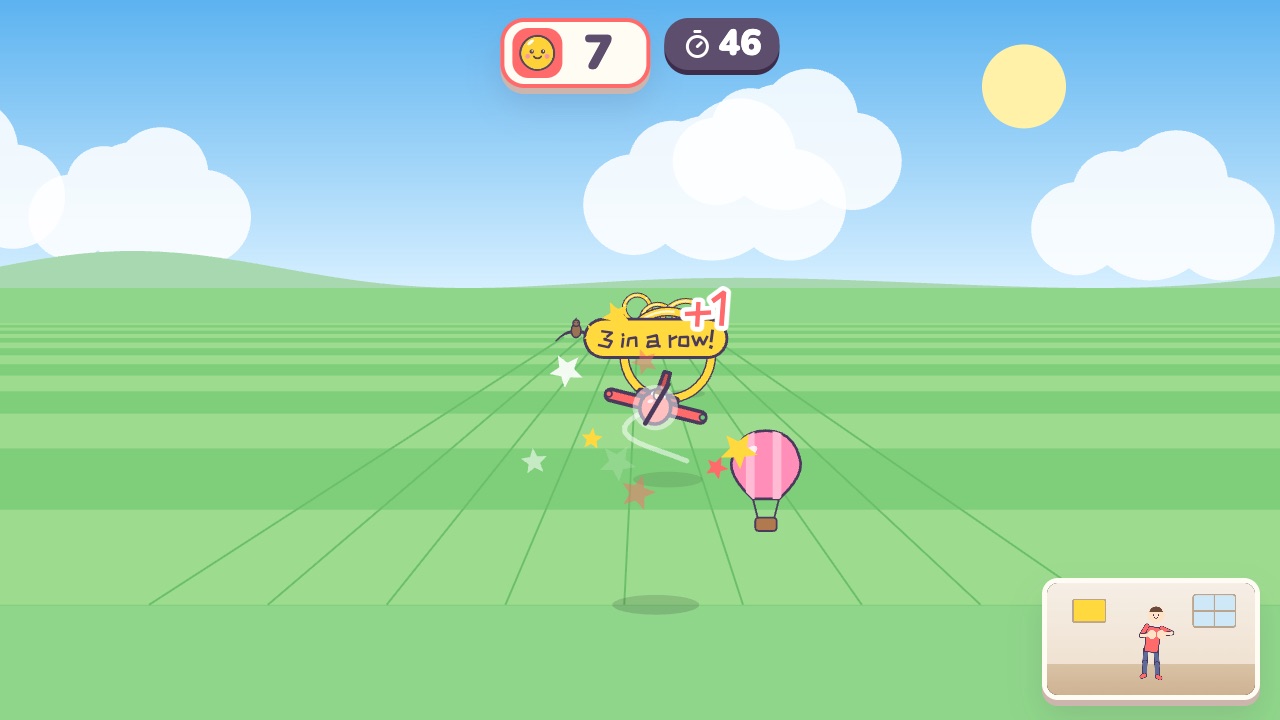 Sky PilotSpread your arms like wings, lean to turn, and fly through the golden ringsAges 5–14 · Moderate activity · Whole body
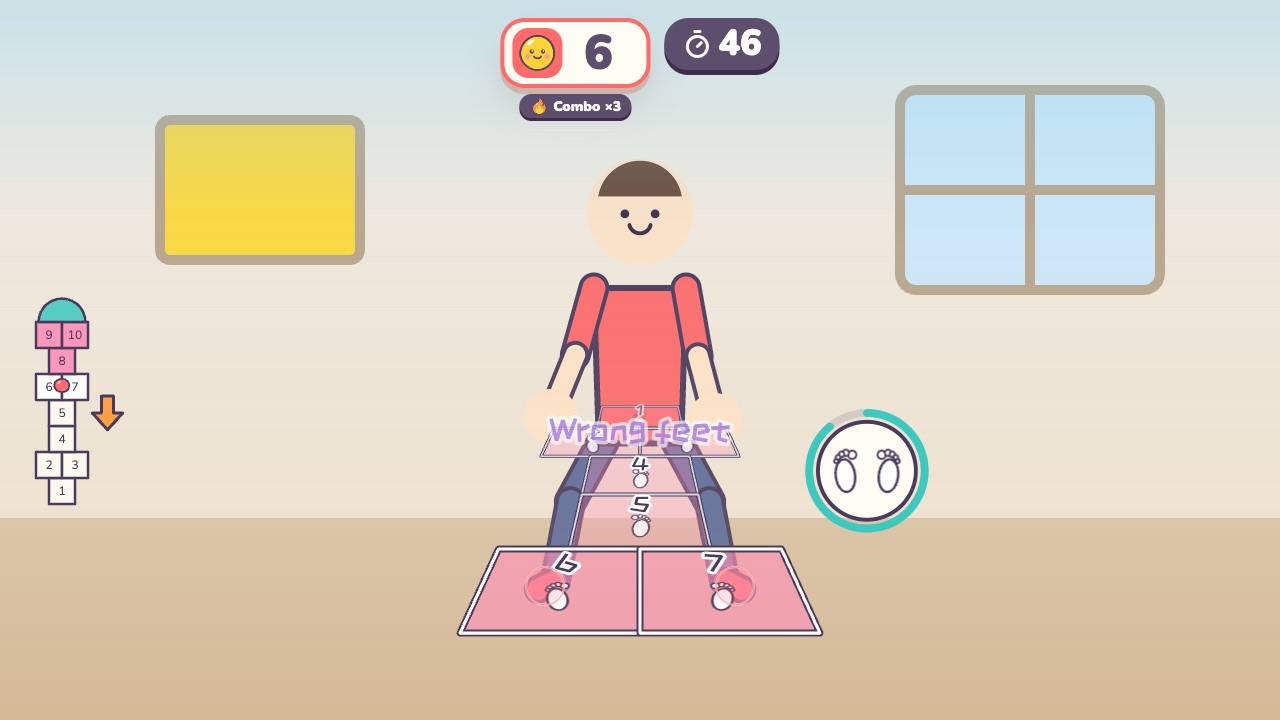 HopscotchOne foot on single squares, two feet on double squares, one row at a timeAges 5–12 · High activity · Run & jump / Fitness
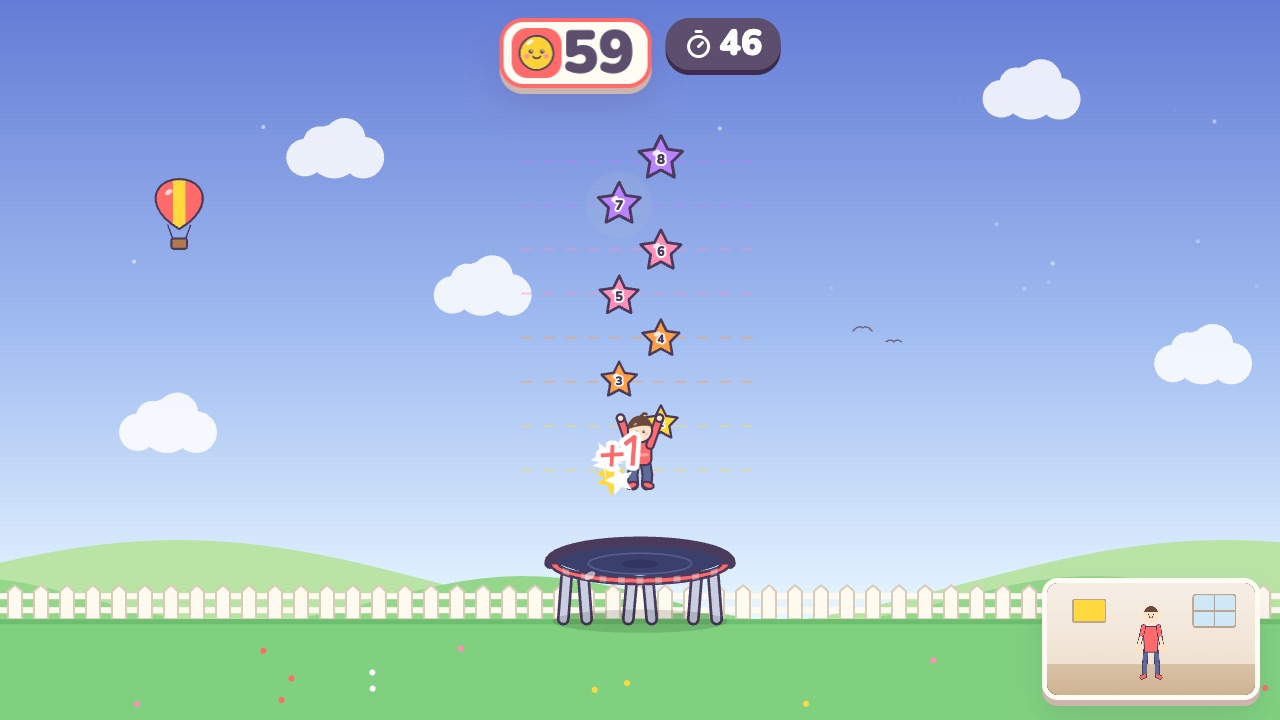 Trampoline StarsTime your jumps to bounce higher and higher and collect the starsAges 5–12 · High activity · Run & jump / Fitness
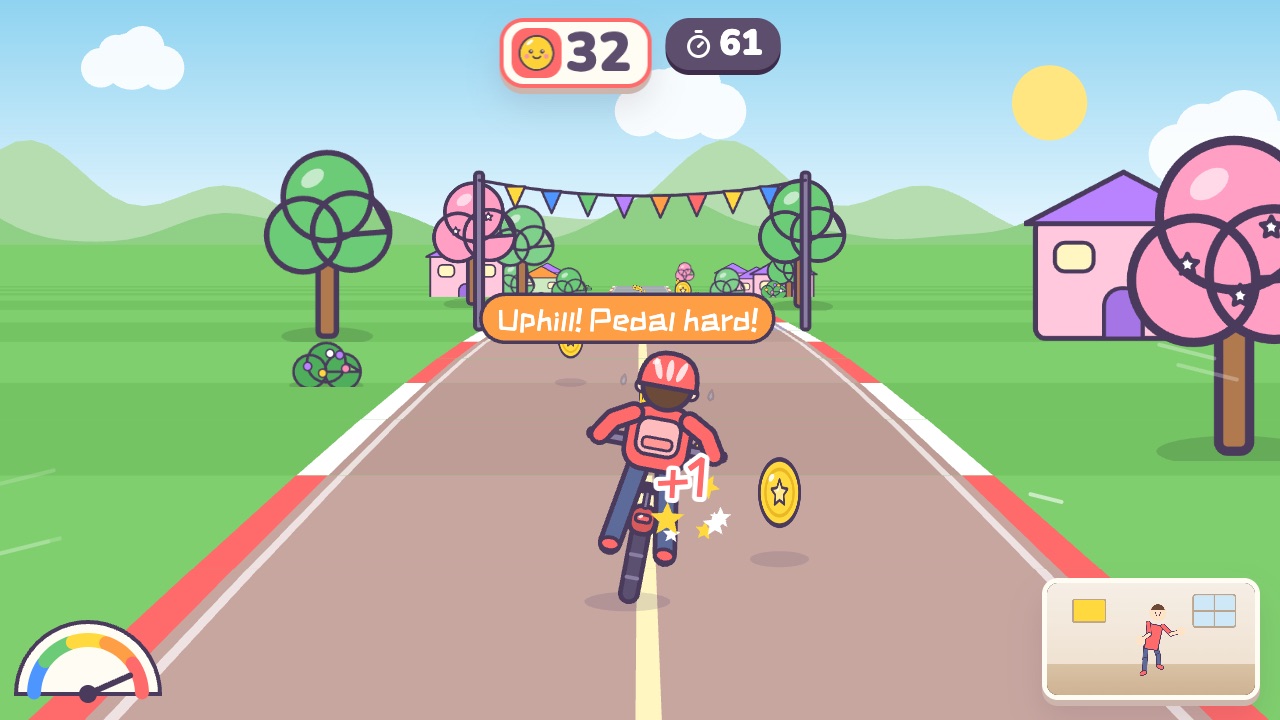 Bike RideLift your knees to pedal and lean to steerAges 5–15 · High activity · Run & jump / Fitness
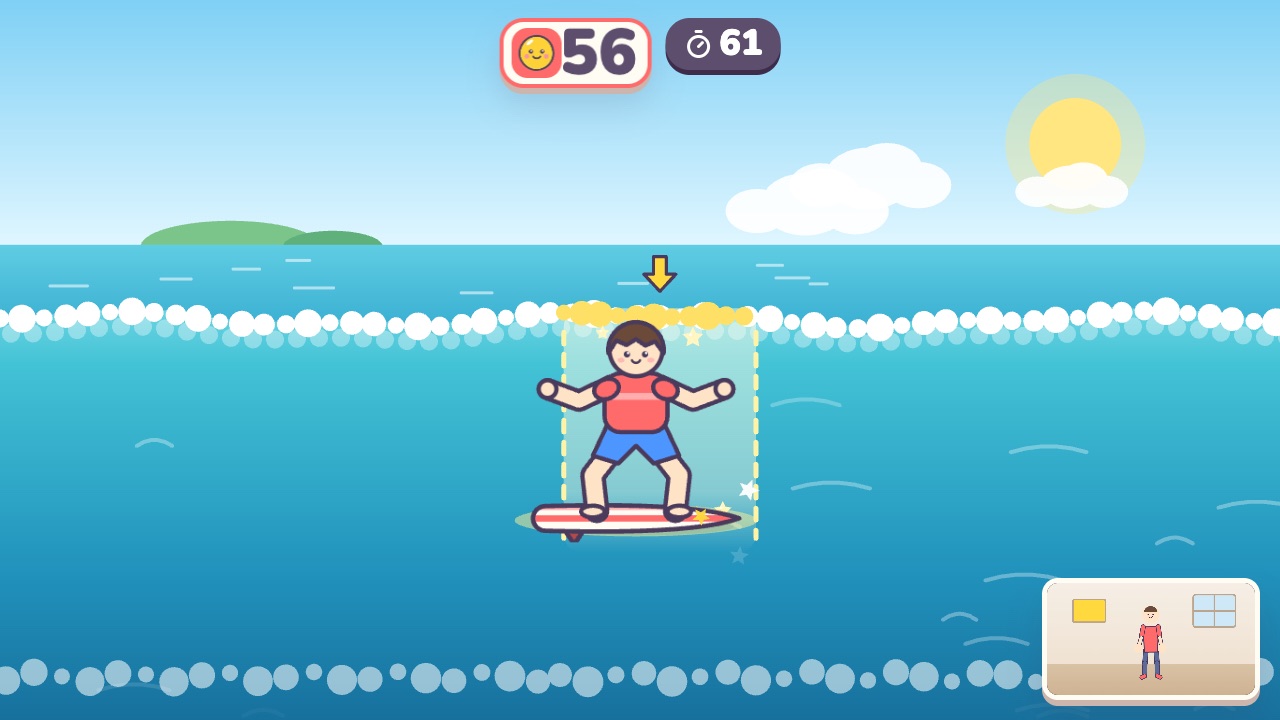 SurfingLean to ride the wave, duck under big waves and jump at the topAges 8–16 · Moderate activity · Whole body
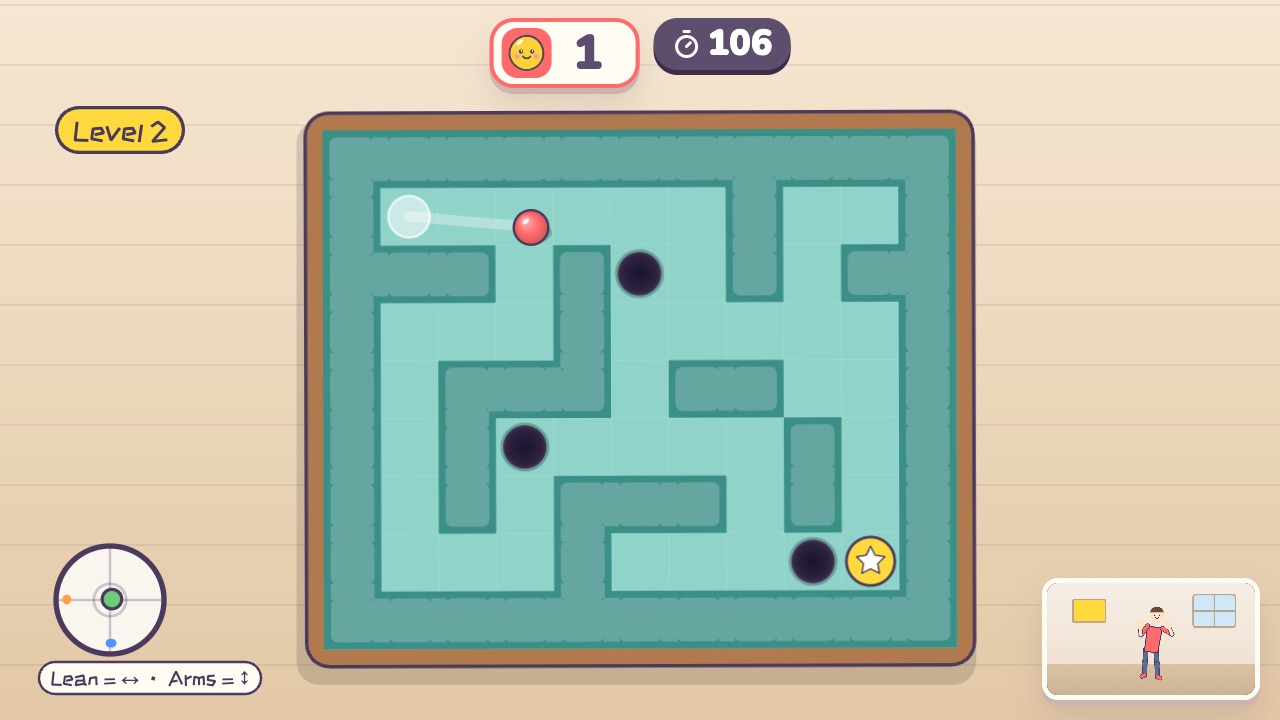 Tilt MazeLean your body to tilt the maze and roll the ball to the finishAges 9–18 · Light activity · Whole body / Thinking / Calm
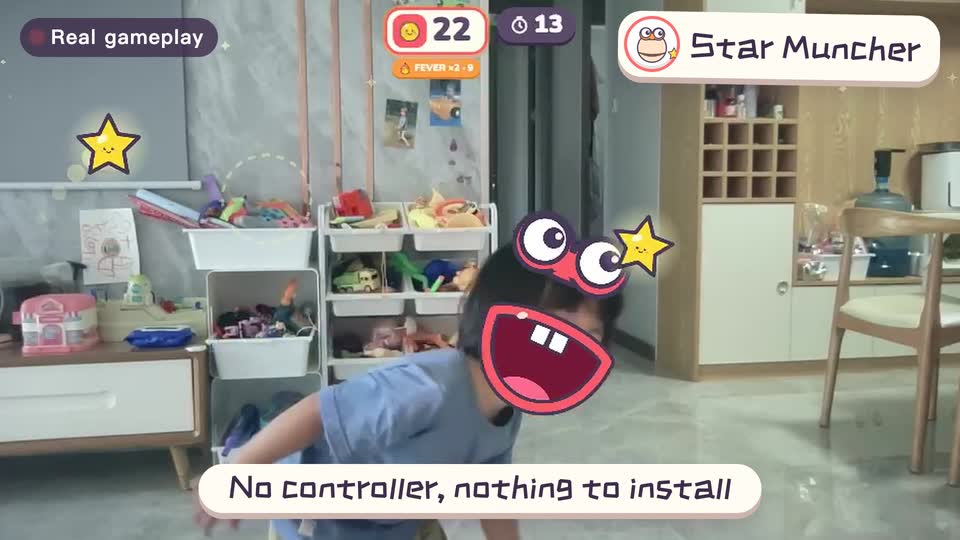
Real footage · 14 s
Kids stand in front of the computer and just move
100+ motion games for ages 3 to 18. Open the website and play: nothing to install, and the camera picture stays on this computer.
Keep reading
- How much should kids move each day? What the WHO says, and how to fit it in at home
- Screen time isn’t always sitting time: using screens to get kids moving
- When kids don’t like exercise: 6 ways to turn “I have to” into “I want to”
- Exercise and height: what actually helps kids grow (ages 6–14)
- Kids bouncing off the walls? A quiet 20-minute plan to burn off energy at home (ages 3–10)
- Winter exercise for kids: staying active when it’s too cold to go out