 DongDong Park
Bilateral coordination games: helping both sides of the body work together (ages 3–10)
Updated
Bilateral coordination means the two sides of the body working together. Clapping and jumping rope use the same movement on both sides; walking and swimming take turns; writing has one hand doing the work while the other holds the paper. Kids tend to learn these in order: both sides together first, then taking turns, and finally each side doing its own job. Follow the three steps and pick a game or two for each.
Three steps: together, taking turns, each side its own job
- Both sides doing the same thing: clapping, jumping with both feet, catching a ball with both hands.
- Taking turns: walking, running, climbing stairs, patting with one hand and then the other.
- Each side doing its own job: one hand holds the paper while the other cuts; one hand steadies the bowl while the other uses the spoon.
There is also crossing the midline: reaching over to the left side of the body with the right hand, instead of switching hands or turning the whole body. Younger kids often don’t cross the midline much yet. It comes with play.
Things you might notice
- When clapping or jumping with both feet, one side is always a beat behind the other.
- Bounces or catches a ball with one hand while the other hand just hangs there.
- Doesn’t think to hold the paper or the bottle with the other hand when cutting or twisting off a cap.
- Learning to jump rope, the hands turn the rope and the feet forget to jump, or the feet jump and the hands stop turning.
This is very common in preschoolers. It is also a different thing from mixing up left and right, which is about knowing which side is which: see when kids mix up left and right.
On-screen games, step by step
Step 1: both sides together
- Clap and Bloom (ages 3–8): when the bunny claps, you clap; when it raises its hands, you raise both of yours; when it opens its arms, you open yours. Both hands make the same move.
- Flap Home (ages 4–8): flap both arms up and down like wings. The faster you flap, the higher the bird flies.
- Saw the Log (ages 3–8): hold the big saw with both hands and pull it one way together, then the other way together.
- Dragon Boat Race (ages 5 and up): pull both hands down and back from up high for one paddle stroke, in time with the drum.
Step 2: taking turns
- Swim Race (ages 5–15): stroke with one arm and then the other from over your head, and turn your head to breathe.
- Bike Ride (ages 5–15): lifting your knees one after the other is how you pedal.
- Star Stomp (ages 4–12): the left foot for the stars on the left, the right foot for the ones on the right.
- Bounce the Ball (ages 5–12): push the ball down each time it bounces up, and switch hands when you hear the call.
Step 3: each side its own job, hands and feet together
- Air Drums (ages 6 and up): a drum kit floats around you, with a drum on each side, two cymbals and a bass drum at your feet. Hit whichever one the note falls on. Each hand looks after its own side, and the foot plays too.
- Shuttlecock Kick (ages 6–14): kick the shuttlecock back up with the leg on whichever side it falls. A kick with your other foot scores more.
- Chinese Yo-Yo (ages 8–16): move your hands up and down, one going up while the other goes down. The steadier the rhythm, the faster it spins.
Games without a screen
- Clapping games. Pat-a-cake and other clapping rhymes. When partners clap across to each other’s opposite hand, they cross the midline.
- Beanbag pass. Pass a beanbag from hand to hand in front of and behind the body: once around the waist, then around the legs.
- Cross-crawl. Left hand taps the right shoulder, right hand touches the left knee. Start slow, then go faster.
- Lazy eights. With a wet cloth, draw a big sideways 8 on a tiled wall or a chalkboard, using one hand the whole way without switching.
- One hand holds, one hand works. Tearing and cutting paper, twisting off bottle caps, threading beads, whisking an egg.
- Taking turns. Climbing stairs one foot per step, bear crawls, riding a bike, swimming.
Getting ready for bouncing a ball and jumping rope
Bouncing a ball again and again and jumping rope without stopping both need the two sides working together. For the ball, start with one hand bouncing over and over, then practice switching hands. Break jump rope into parts: first hold a short piece of rope in each hand and swing them both together without jumping, then jump without a rope, and finally put the two together. For hand-eye, hand-foot and rhythm all together, see coordination games.
This is everyday play, not therapy. If your child is in elementary school and the two hands still clearly don’t work together, buttons, scissors and catching a ball are a real struggle, and it gets in the way of learning and daily life, ask your pediatrician about a developmental evaluation.
More in this series
- Sensory play for kids: an overview of what to play for each sense, with a daily plan
- Balance games: vestibular play: leaning, spinning, standing on one foot
- Body awareness games: proprioception: heavy work, holding a pose, going gently
- Listening games: hear it, remember it, do it
- Is sensory integration therapy worth it?: what to do at home, and when to see a doctor first
Games mentioned here
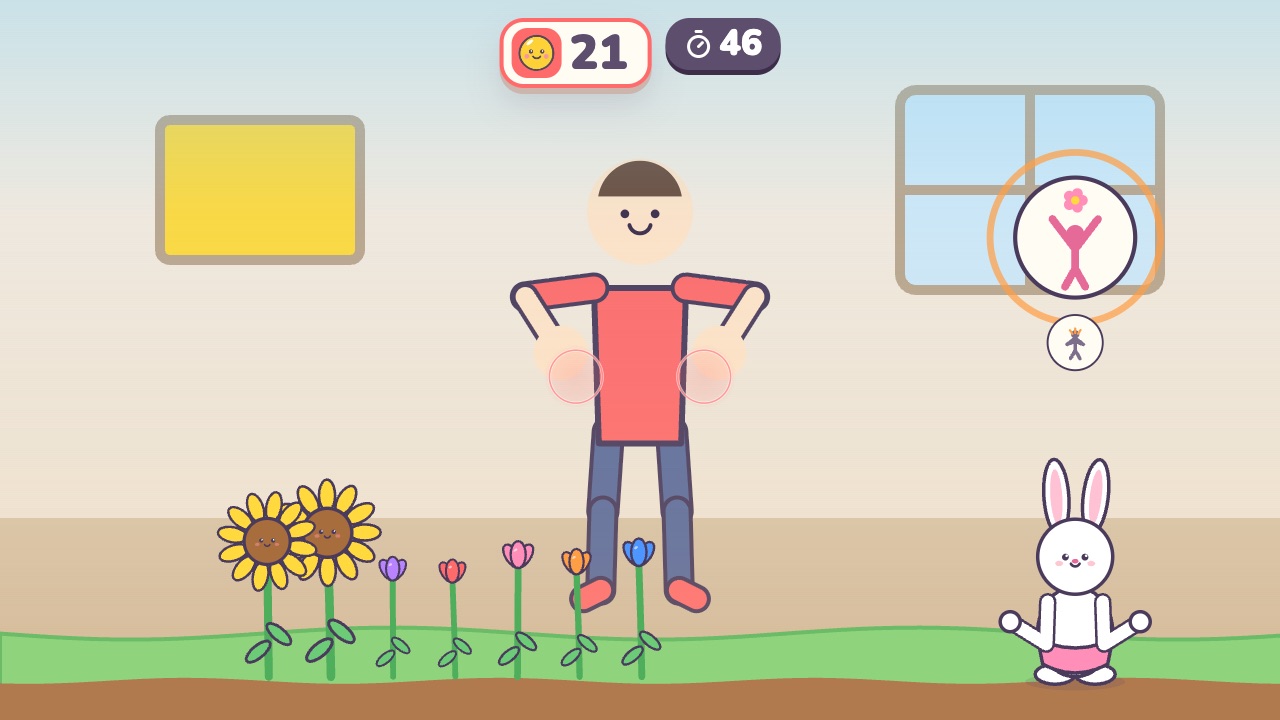 Clap and BloomClap along with the bunny and raise your hands to make flowers bloomAges 3–8 · Moderate activity · Team up / Rhythm / Hands
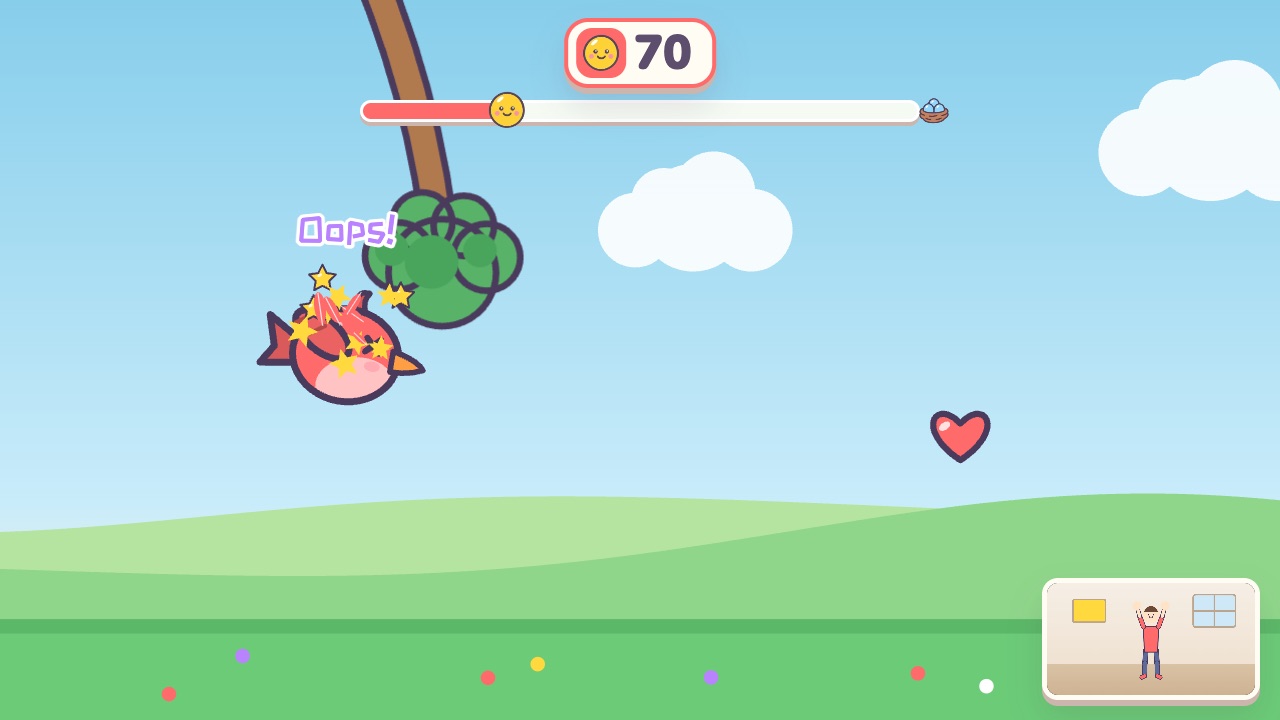 Flap HomeFlap your wings and fly back to the nestAges 4–8 · High activity · Hands / Whole body
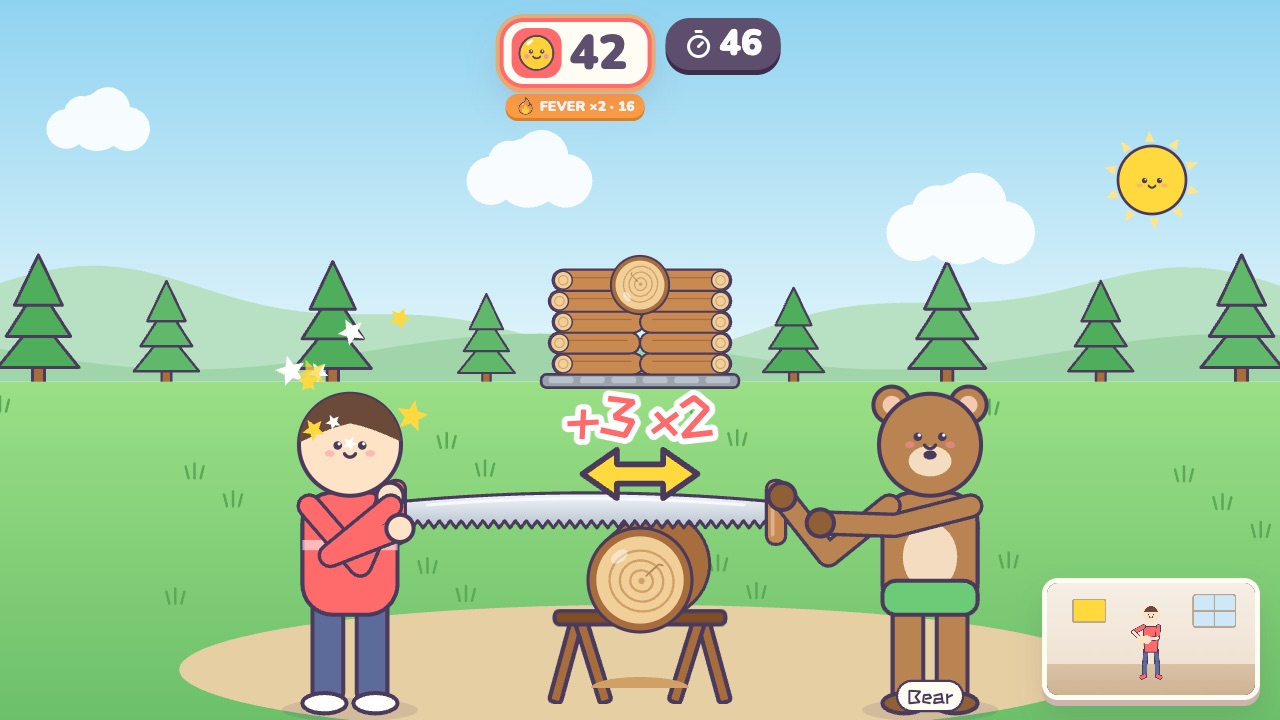 Saw the LogSaw logs together and build a little cabinAges 3–8 · Moderate activity · Team up / Hands / Whole body
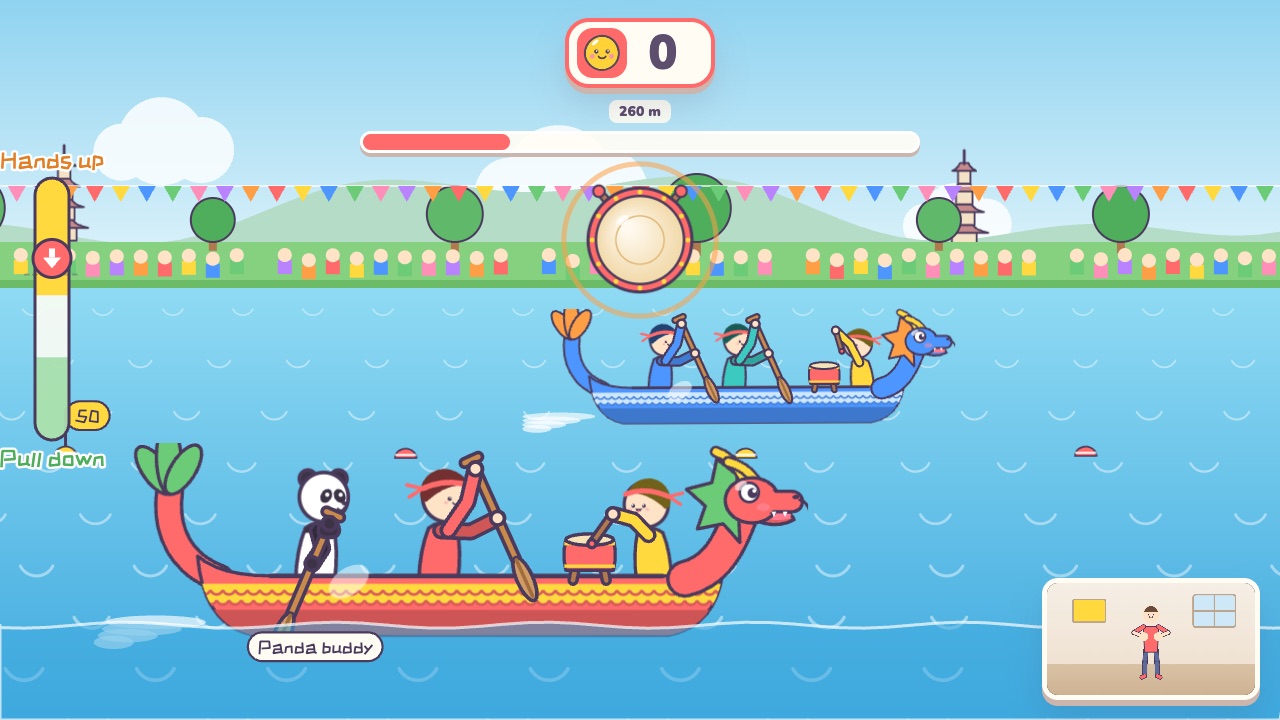 Dragon Boat RacePaddle together to the drumbeat. The more in sync, the faster the boatAges 5–18 · High activity · Team up / Rhythm / Fitness
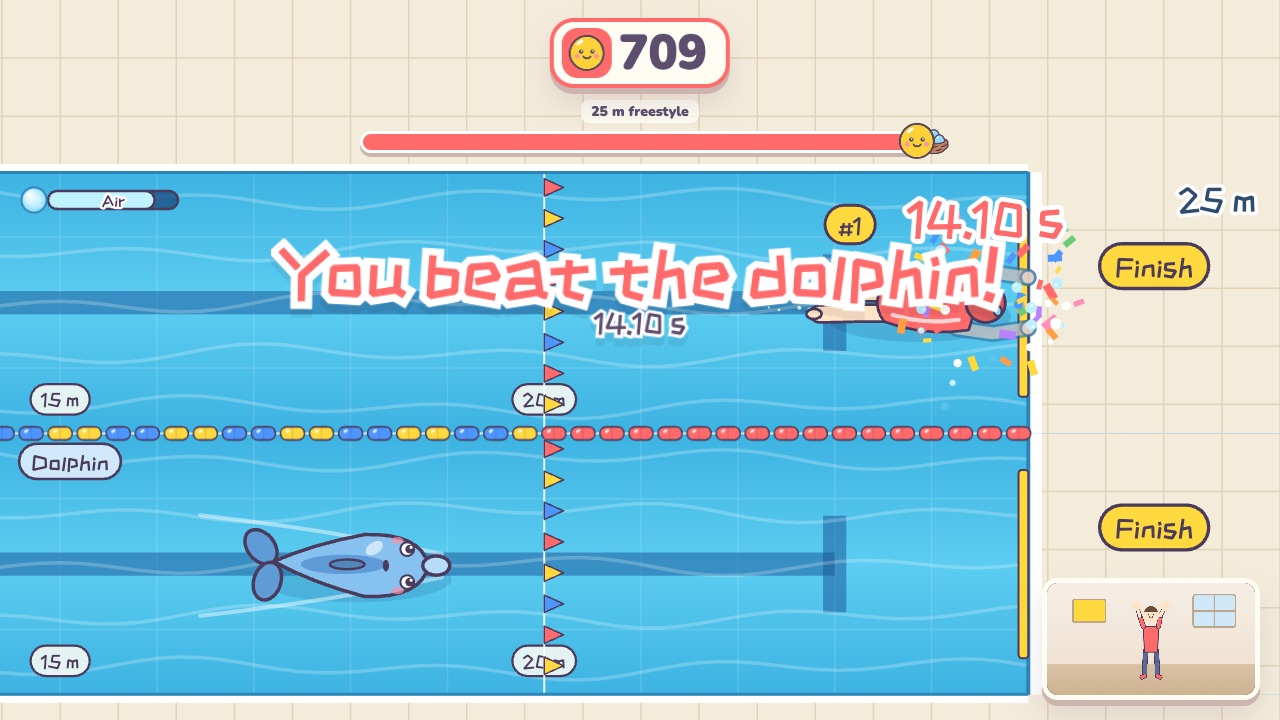 Swim RaceStroke with one arm, then the other, and remember to turn your head to breatheAges 5–15 · High activity · Fitness / Whole body / Versus
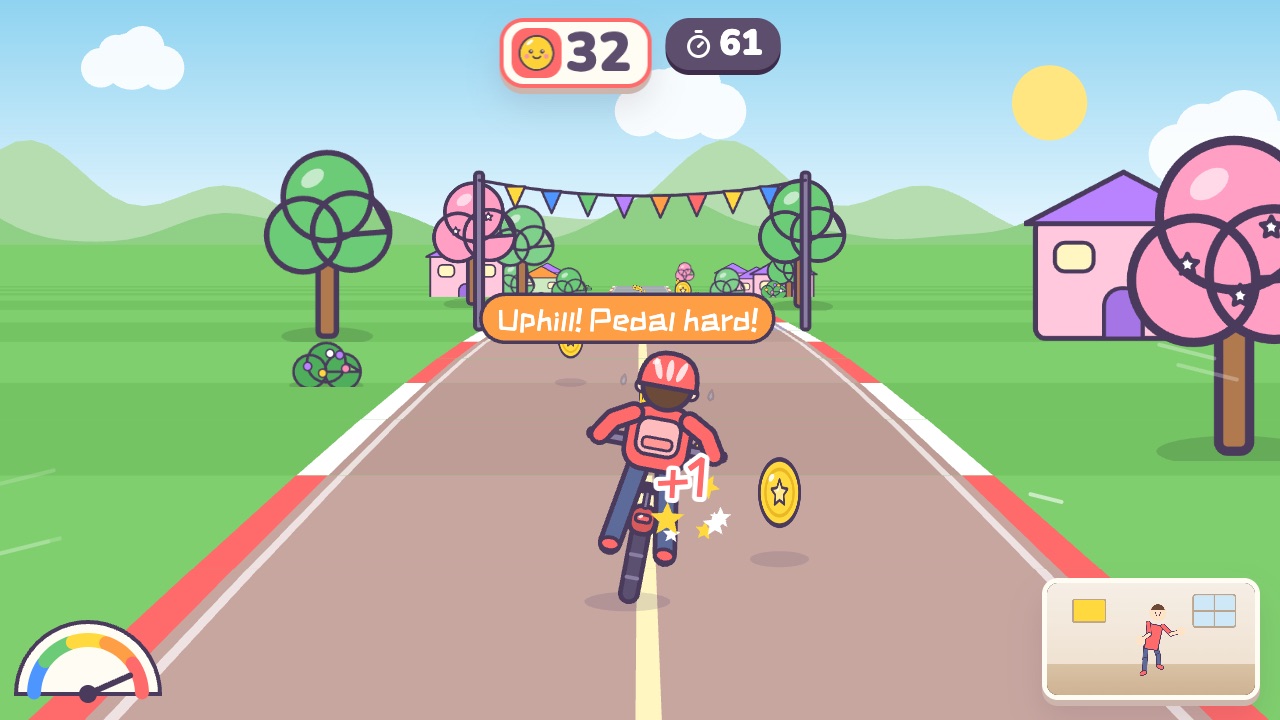 Bike RideLift your knees to pedal and lean to steerAges 5–15 · High activity · Run & jump / Fitness
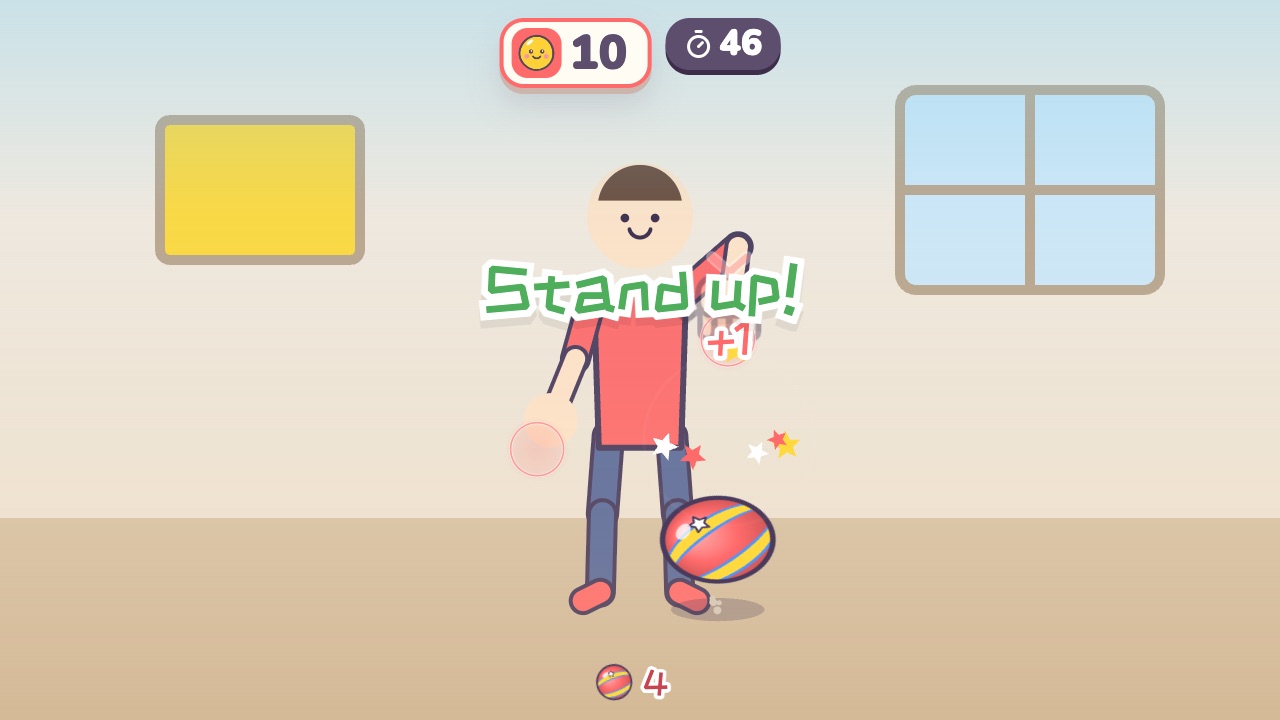 Bounce the BallPush the ball down each time it bounces up, and listen for the callsAges 5–12 · Moderate activity · Hands / Rhythm
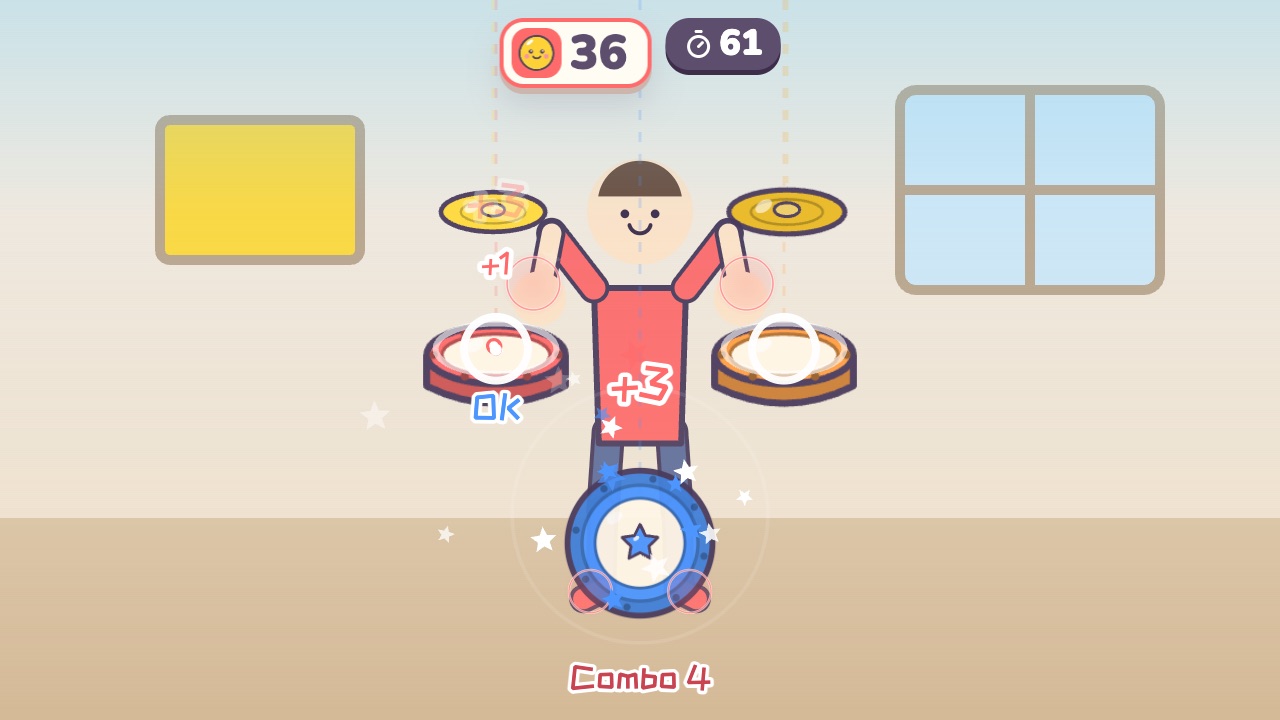 Air DrumsA drum kit floats around you. Hit the drums as the notes fallAges 6–18 · Moderate activity · Rhythm / Hands
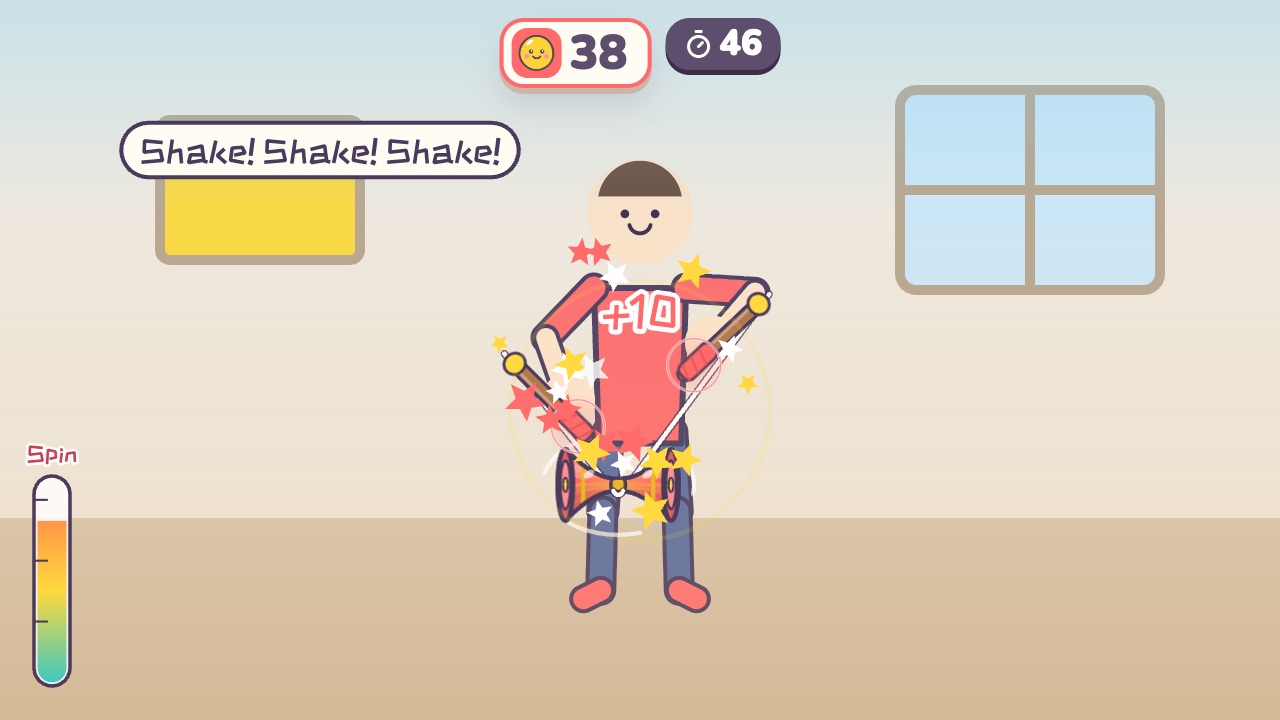 Chinese Yo-YoMove your hands up and down to spin it, then toss it up and catch itAges 8–16 · Moderate activity · Hands / Rhythm
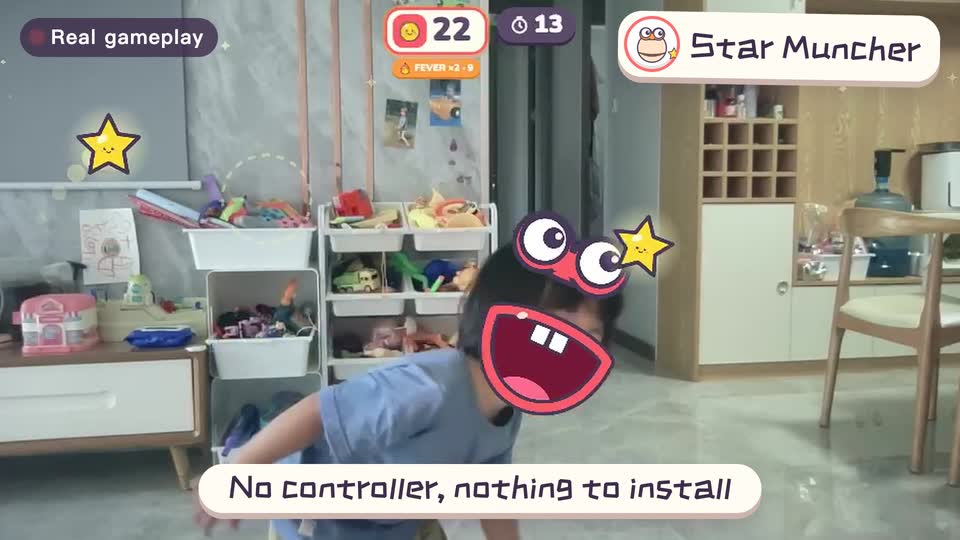
Real footage · 14 s
Kids stand in front of the computer and just move
100+ motion games for ages 3 to 18. Open the website and play: nothing to install, and the camera picture stays on this computer.
Keep reading
- How much should kids move each day? What the WHO says, and how to fit it in at home
- Screen time isn’t always sitting time: using screens to get kids moving
- When kids don’t like exercise: 6 ways to turn “I have to” into “I want to”
- Exercise and height: what actually helps kids grow (ages 6–14)
- Kids bouncing off the walls? A quiet 20-minute plan to burn off energy at home (ages 3–10)
- Winter exercise for kids: staying active when it’s too cold to go out