 DongDong Park
Exercise and height: what actually helps kids grow (ages 6–14)
Updated
The short answer: height is mostly decided by genes, and no exercise can promise a few extra inches. But exercise, sleep and food are the three things parents can get right during the growing years. Jumping, stretching and whole-body activities are good for bones and posture. Move for an hour a day, sleep enough, eat well. Here are the questions parents ask most, one at a time.
Can exercise really make kids taller?
Honestly, genes do most of the work, and exercise doesn’t change that. What exercise does is put kids in better shape to grow: regular activity helps sleep and appetite, running and jumping put healthy loads on bones, and muscles and posture improve. There is a very practical bonus too: kids who slouch and hunch their shoulders “look short”. Better posture means standing up straight, and that alone looks different.
So the reasonable goal is to do well on the parts you can control, not to stand by the measuring tape waiting for results.
Which activities are good for bones?
The World Health Organization’s guidelines on physical activity and sedentary behaviour recommend that kids ages 5 to 17 do muscle- and bone-strengthening activities on at least 3 days a week. For bones, activities with impact and load help most:
- Jumping: jump rope, trampoline, basketball, volleyball, high jump. Landing gives bones the most direct stimulus.
- Stretching: swimming, gymnastics, yoga. They loosen up the spine and joints and improve posture.
- Whole body: running, ball games, climbing. Heart, lungs, arms and legs all work together.
The key is to do a bit of everything, not just one: jumping challenges the bones, stretching keeps kids flexible, and whole-body activity builds the base.
Does stretching or hanging from a bar make kids taller?
No. Stretching and hanging from a bar relax the body and improve posture. People are a little taller in the morning than at night anyway, and standing up straighter can add a tiny bit on the measuring tape, but bones don’t grow longer from being pulled. We don’t recommend buying “height increase” devices or stretching programs. Stop any stretch that hurts.
How much should kids move?
The WHO recommends that kids ages 5 to 17 get at least 60 minutes of moderate-to-vigorous activity a day, with vigorous aerobic activity and muscle- and bone-strengthening activities on at least 3 days a week. The details are in How much should kids move each day? The 60 minutes don’t have to happen at once; on school days, a few shorter sessions add up.
Games to play at home
Outdoor jump rope, basketball and swimming come first. When the weather is bad, or after school at home, these games add the jumping and stretching:
- Jump Rope Champ and Jump Rope Counter (ages 6 and up): the first trains rhythm, jumping when the rope sweeps under your feet as it gets faster and faster; the second counts how many jumps you can do in one minute, with a rope or without.
- Trampoline Stars (ages 5 to 12): time each jump to bounce higher and higher and collect the stars. It trains timing and leg strength.
- Hoop Shots (ages 5 and up): lift the ball over your head with both hands and throw it hard. Every shot is a full-body stretch upward.
- Volleyball Keep-Up (ages 6 and up): bump low balls with your arms together, set high balls with your hands up, and move to where the ball comes down.
- Rock Climbing (ages 9 and up): grab the holds above you, one hand after the other, and climb all the way up, using the whole body.
- Yoga Poses (ages 12 and up): copy each pose and hold it steady, as a stretch to finish.
15 to 20 minutes a day is plenty: two or three rounds of a jumping game, then Yoga Poses or a few stretches of your own to finish. If you have neighbors downstairs, put down a thick mat, and land with soft knees, toes first.
Two more questions parents ask
- Are jumping rope and running bad for the knees? For kids at a healthy weight, on a flat surface, in sneakers that fit, jumping rope and running are safe. Build up slowly: don’t jump for too long at first, and land with soft knees. If your child says a knee hurts, stop, and if it still hurts after a few days, see a doctor.
- Will strength training stunt growth? Bodyweight exercises (squats, push-ups, climbing) are fine, and they count as muscle- and bone-strengthening activity. Heavy weight training isn’t recommended for elementary-age kids. That’s for safety, not height.
Sleep and food
- Sleep. Growth hormone is released mainly during deep sleep at night, so enough sleep and an early bedtime matter more than anything. Keep a regular bedtime, and avoid hard exercise and screens in the hour before bed.
- Food. Milk, eggs, meat, fish, beans, vegetables and fruit all belong on the plate. Cut back on sugary drinks. Don’t give height supplements or extra calcium on your own; ask a doctor whether your child needs any.
- Posture. Sitting up straight for homework, a backpack that isn’t too heavy and less time hunched over a phone all make a direct difference to how tall a kid looks.
Kids grow at very different rates. If your child is much shorter than other kids the same age, has barely grown in a year, or shows signs of puberty very early, see a pediatrician or a pediatric endocrinologist. Don’t buy height products or simply add more exercise.
Games mentioned here
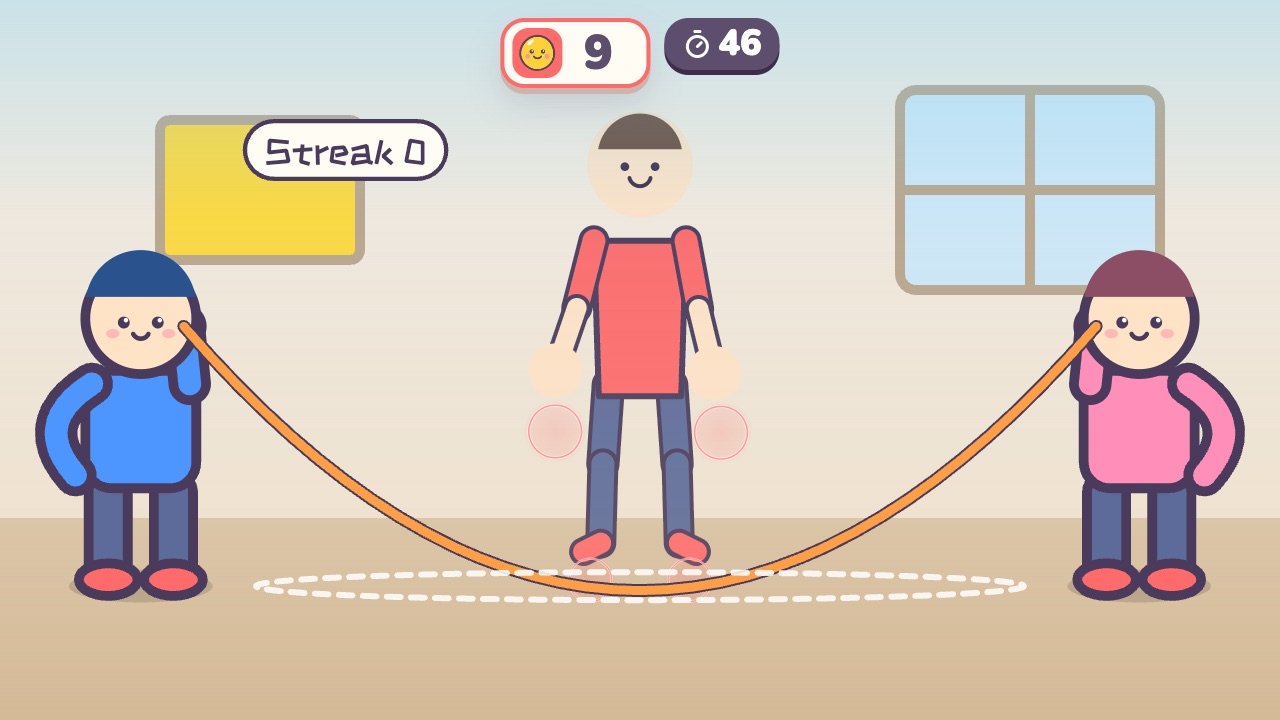 Jump Rope ChampJump when the rope sweeps under your feet. The longer your streak, the faster the ropeAges 6–14 · High activity · Run & jump / Fitness / Rhythm
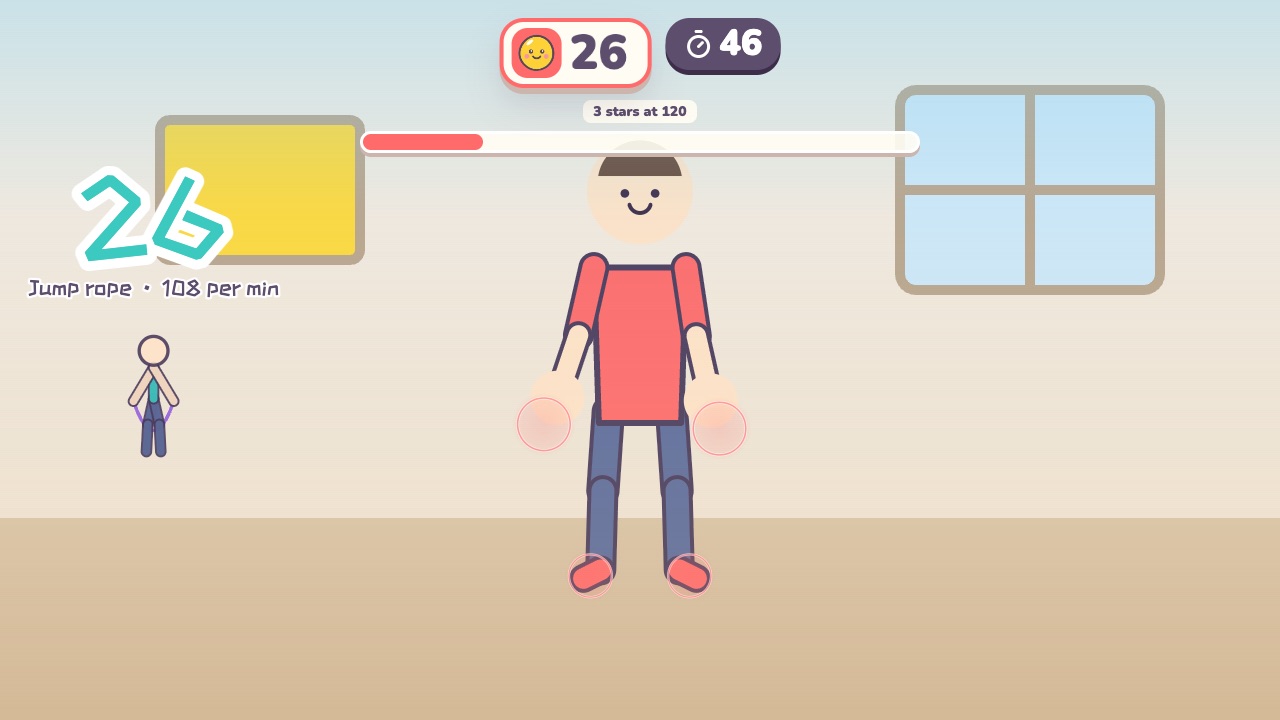 Jump Rope CounterWith a rope or without: how many jumps can you do in one minute?Ages 6–18 · High activity · Fitness / Run & jump / Rhythm
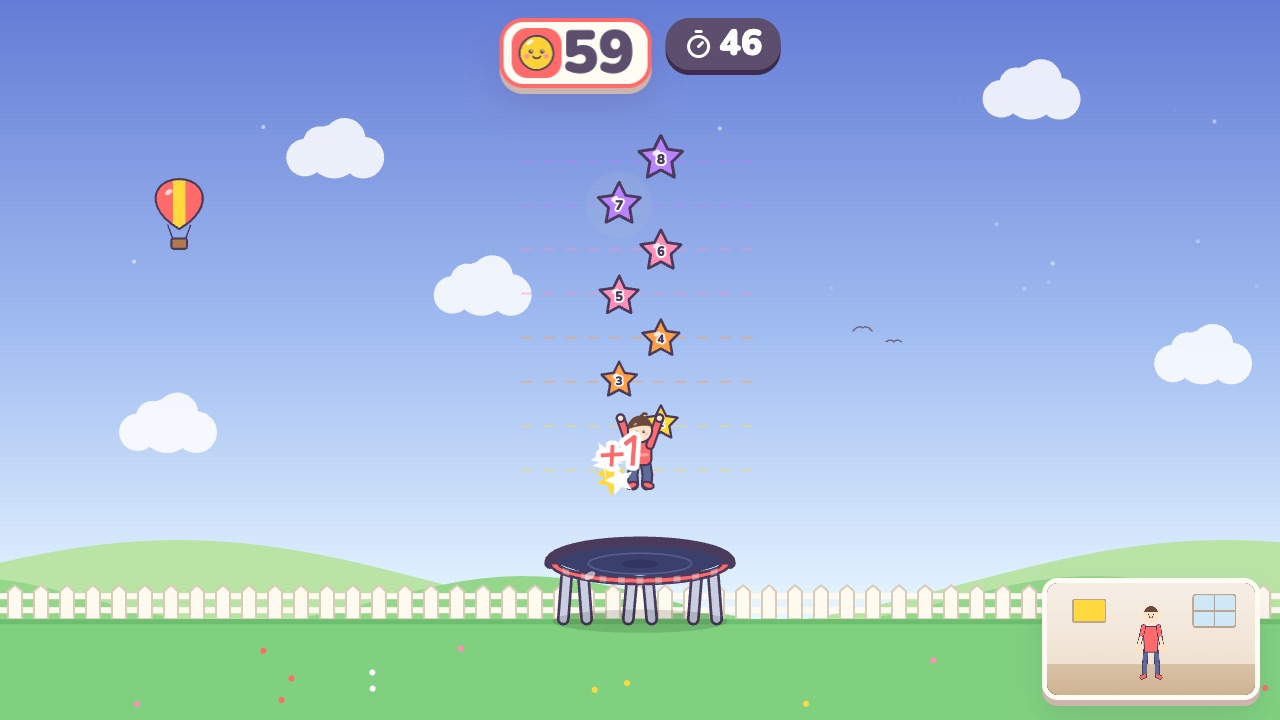 Trampoline StarsTime your jumps to bounce higher and higher and collect the starsAges 5–12 · High activity · Run & jump / Fitness
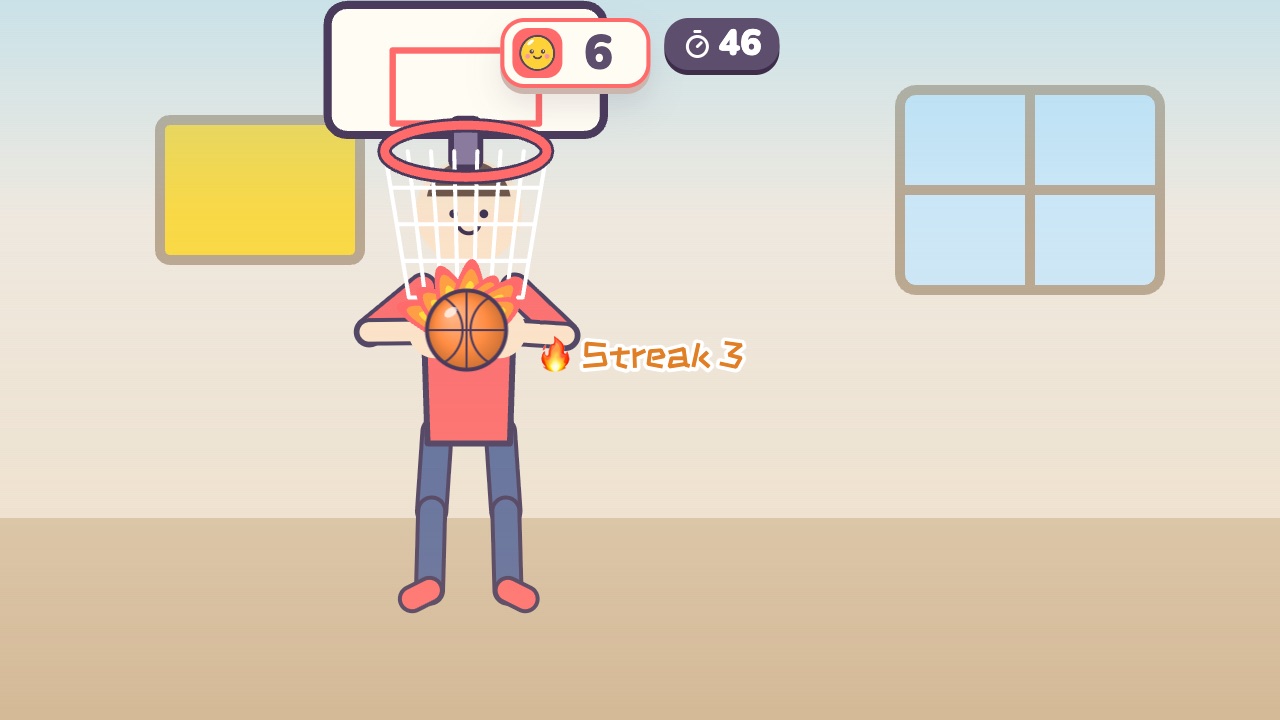 Hoop ShotsLift both hands over your head and shoot the ball into the hoopAges 5–16 · Moderate activity · Hands
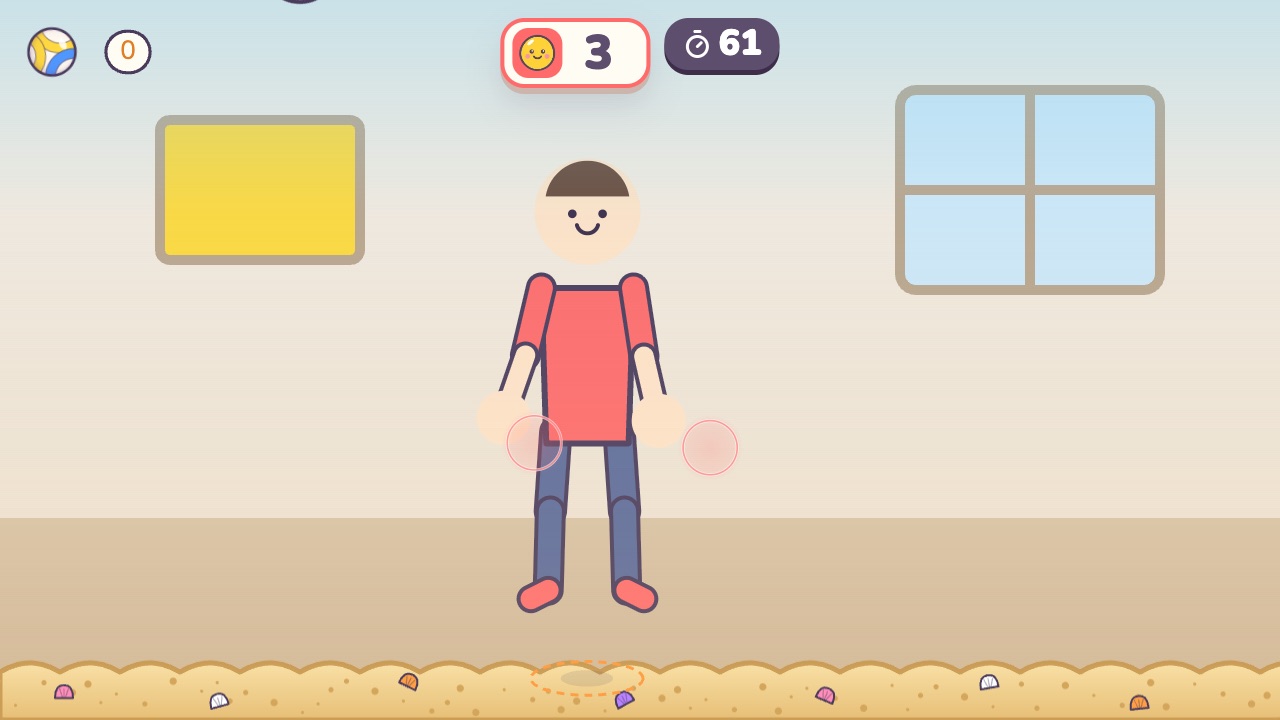 Volleyball Keep-UpBump low balls with your arms together, and set high balls with your hands upAges 6–15 · Moderate activity · Hands / Whole body
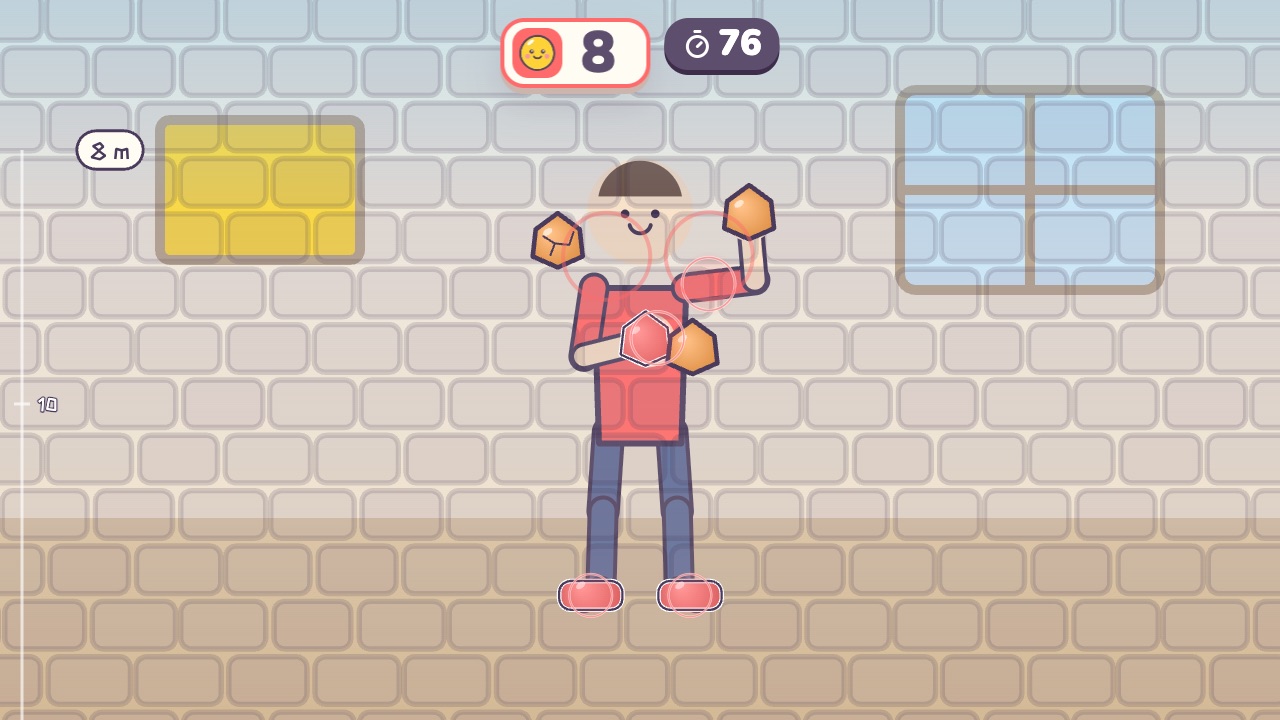 Rock ClimbingGrab the holds above you, one after another, and climb upAges 9–18 · High activity · Whole body / Fitness
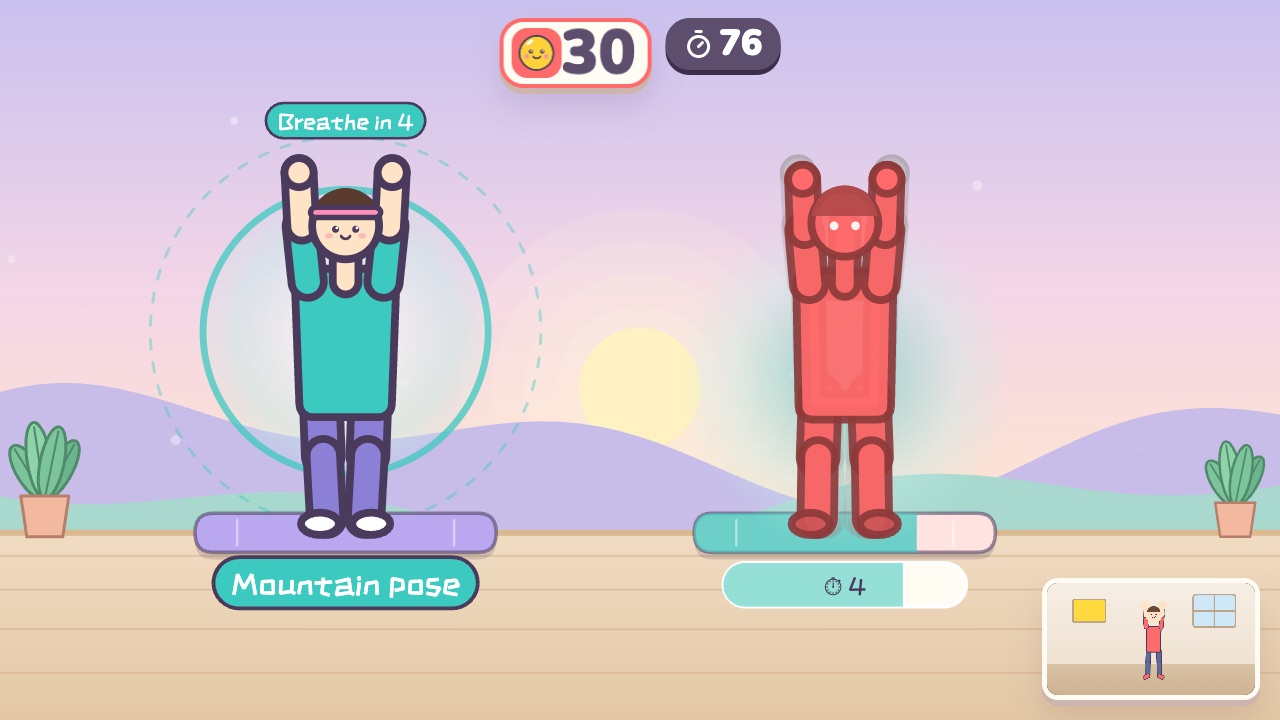 Yoga PosesCopy each yoga pose and hold it steadyAges 12–18 · Light activity · Calm / Fitness / Whole body
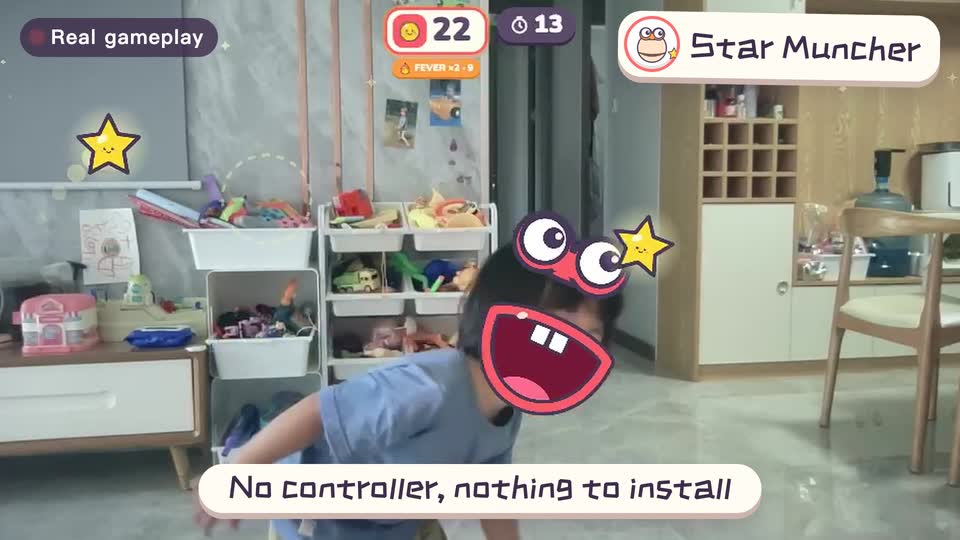
Real footage · 14 s
Kids stand in front of the computer and just move
100+ motion games for ages 3 to 18. Open the website and play: nothing to install, and the camera picture stays on this computer.
Sources
- WHO guidelines on physical activity and sedentary behaviour. World Health Organization. 2020
Keep reading
- How much should kids move each day? What the WHO says, and how to fit it in at home
- Screen time isn’t always sitting time: using screens to get kids moving
- When kids don’t like exercise: 6 ways to turn “I have to” into “I want to”
- Kids bouncing off the walls? A quiet 20-minute plan to burn off energy at home (ages 3–10)
- Winter exercise for kids: staying active when it’s too cold to go out
- Rainy day? 8 indoor motion games to get kids moving at home