 DongDong Park
Homeschool PE made simple: a weekly plan, a fitness log and indoor games for bad-weather days
Updated
Homeschool PE doesn’t need a gym or a boxed curriculum. It needs a plan for the week, a few skills to practice, a way to see progress, and something to do when it rains. Here’s a simple version that works for one child or a houseful of siblings.
How much activity kids need
| Age | U.S. guidelines |
|---|---|
| 3 to 5 | Active throughout the day; adults should encourage active play and aim for at least 3 hours a day, at any intensity |
| 6 to 17 | 60 minutes or more of moderate-to-vigorous activity every day, including vigorous activity, muscle-strengthening and bone-strengthening activity (jumping, running) on at least 3 days a week each |
PE lessons are part of that hour, not all of it: free play, bike rides, chores and sports all count. Aim for a planned 20 to 30 minutes on school days and let the rest happen. More in how much exercise kids need.
A sample homeschool PE week
| Day | Focus | Outdoors | Indoor backup |
|---|---|---|---|
| Monday | Ball skills | Throw and catch, kick against a wall, dribble | Hoop Shots, Soccer Shootout, Volleyball Keep-Up |
| Tuesday | Strength and fitness | A circuit: squats, wall push-ups, jumping jacks, bear crawls | Fitness Circuit (12+), the one-minute counters |
| Wednesday | Outdoor day | Hike, bike, playground, scooter | Bamboo Dash, Bike Ride |
| Thursday | Rhythm and coordination | Jump rope, hopscotch in chalk | Jump Rope Champ, Rhythm Steps, Dance Class |
| Friday | Games day | Tag, relay races, a family match | Two-player games: Tug of War, Air Ping-Pong |
| Weekend | Family time | A walk, swimming, a team practice | Rest, or a calm game like Yoga Poses |
Start each session with a few minutes of easy movement and end with slow stretches.
A monthly fitness check
Once a month, on the same day, kids do four one-minute tests and write down the numbers. The game counts, so nobody argues about the score, and kids compete with last month, not with their siblings.
- Jump Rope Counter: with a rope or without
- Squat Counter
- Jumping Jack Counter
- High Knees Counter
| Month | Jump rope | Squats | Jumping jacks | High knees | Notes |
|---|---|---|---|---|---|
| September | |||||
| October | |||||
| November |
Siblings of different ages
- Play side by side. In two-player mode each child gets half the screen and their own score. Pick games with a wide age range: Tug of War (4–16), Hoop Shots (5–16), Dragon Boat Race (5–18).
- Team up. Co-op games like Dragon Boat Race, Team Ball Carry (8–18) and Three-Legged Race (8–18) only work if both kids keep together.
- Make the oldest the coach. They demonstrate, referee and keep the log.
- Play too. Parent against kids is the most popular match in any house.
- Screen-free days. Shadow Tag, the Mirror Game, Freeze Dance and Fitness Countdown work with just two or three kids; rules are in PE games with no equipment.
Bad-weather days
Indoors, a 25-minute session is enough: 5 minutes of warm-up, 15 minutes of games, 5 minutes of stretching. Clear a strip of floor 7 to 10 feet in front of the computer. Ideas by situation are in indoor exercise for kids and winter indoor exercise.
Skills worth covering over a year
- Moving: running, hopping, skipping, galloping, jumping and landing.
- Ball skills: throwing, catching, kicking, striking and dribbling.
- Balance and coordination: standing on one foot, crossing the midline, left-right moves (see balance games and coordination games).
- Fitness: strength, endurance and flexibility, tracked with the monthly check.
Keeping a simple log
Requirements differ by state: some list physical education among required subjects, many don’t. HSLDA’s legal map has each state’s rules. Either way, a log takes a minute a day: the date, what you did and for how long. If an adult signs in, the games also keep a dated history of the rounds played.
Common questions
- How many hours of PE does a homeschooler need?
- It depends on your state: some states list physical education among required subjects, many don’t. HSLDA’s state-by-state legal map has the details. For health, federal guidelines call for 60 minutes or more of activity every day for ages 6 to 17.
- Do active video games count as PE?
- Games where the child moves the whole body can be part of an active day, much like following a dance video. They work best as a bad-weather backup and a fitness check, alongside outdoor play, sports and skills practice, not instead of them.
- What equipment do I need for homeschool PE?
- Very little: a ball or two, a jump rope and some open space. For the indoor games, a computer with a webcam.
- How do I teach PE to kids of different ages at once?
- Do the same activity at different levels: the older child aims for a harder target or coaches the younger one. Pick games with a wide age range and play them side by side.
Games mentioned here
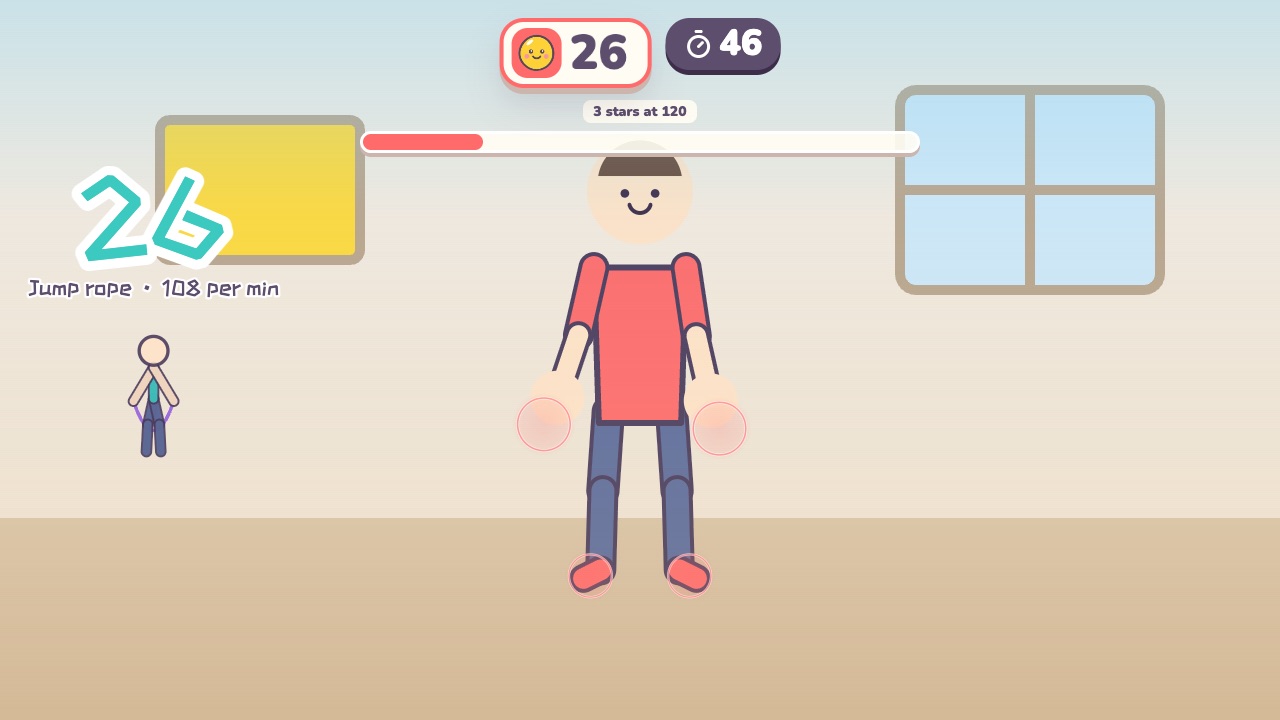 Jump Rope CounterWith a rope or without: how many jumps can you do in one minute?Ages 6–18 · High activity · Fitness / Run & jump / Rhythm
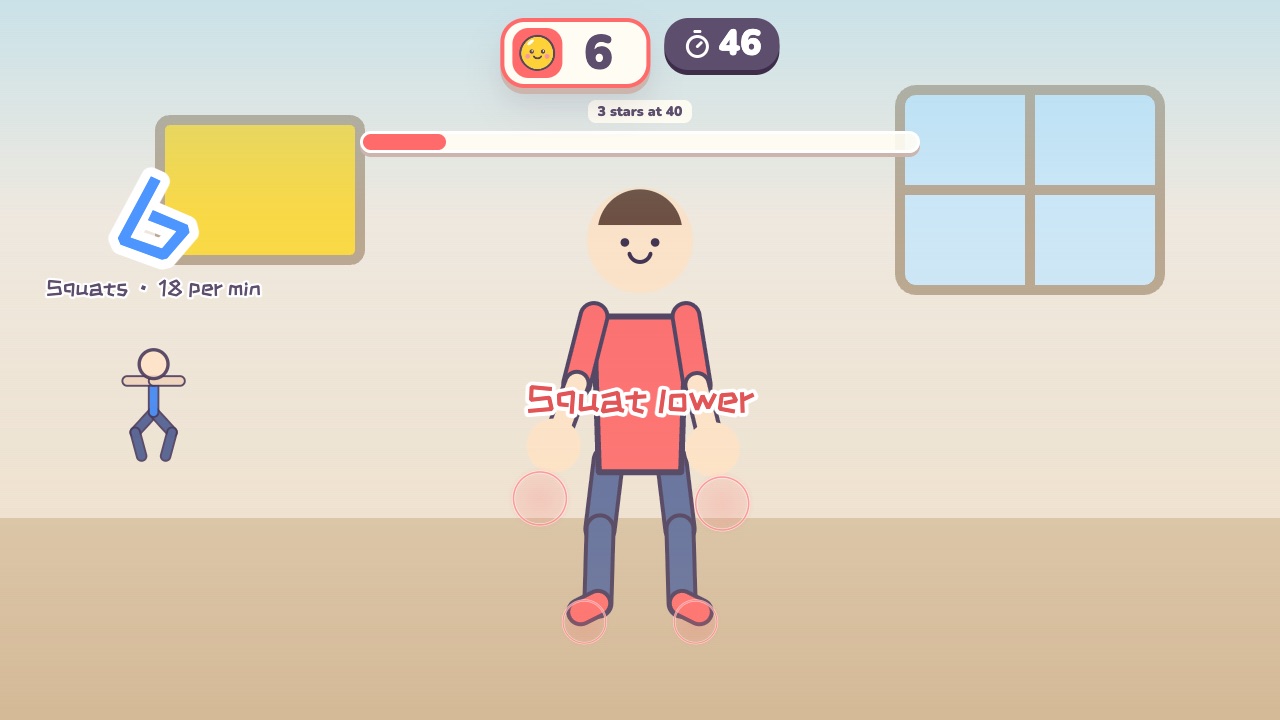 Squat CounterSquat all the way down and stand back up to count one. How many in a minute?Ages 6–18 · High activity · Fitness / Run & jump
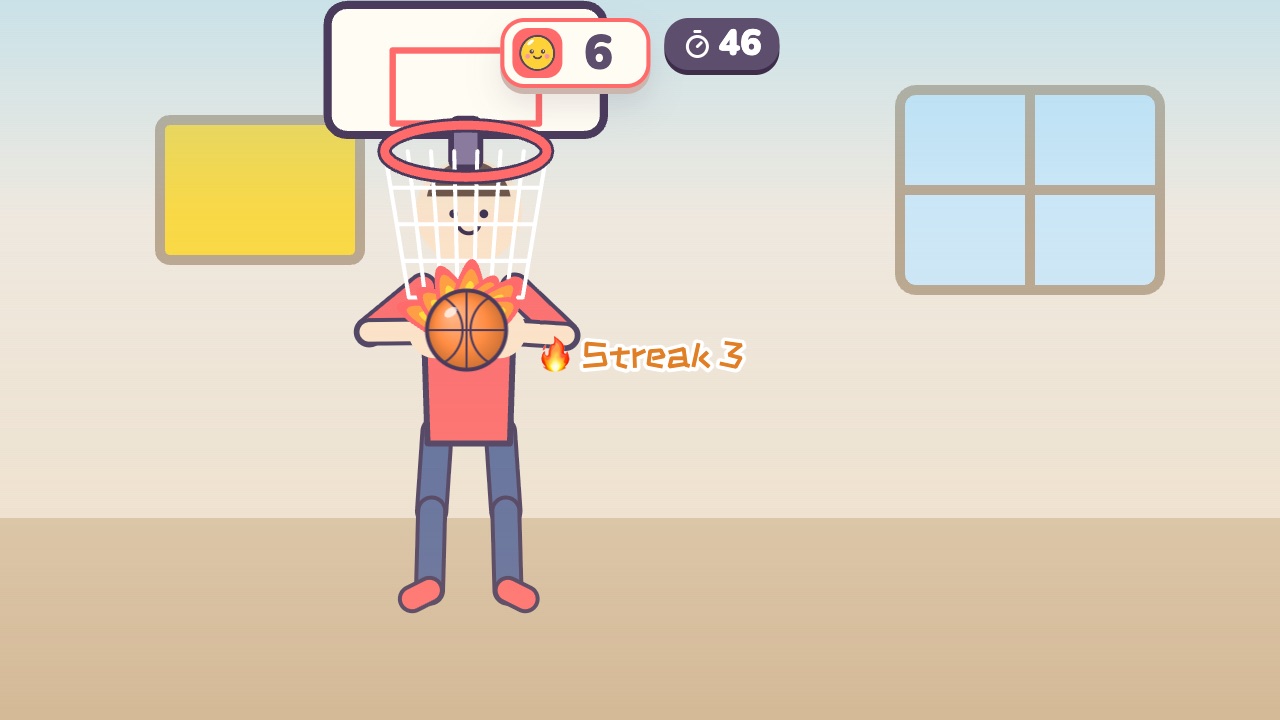 Hoop ShotsLift both hands over your head and shoot the ball into the hoopAges 5–16 · Moderate activity · Hands
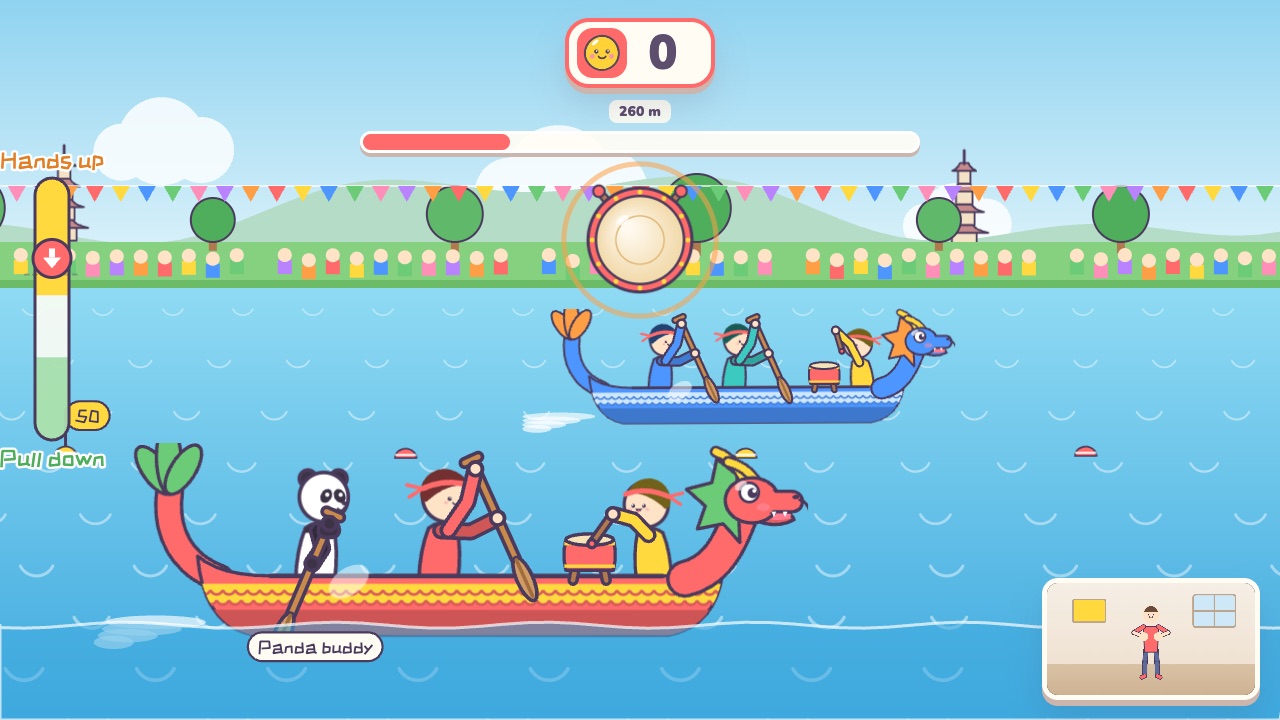 Dragon Boat RacePaddle together to the drumbeat. The more in sync, the faster the boatAges 5–18 · High activity · Team up / Rhythm / Fitness
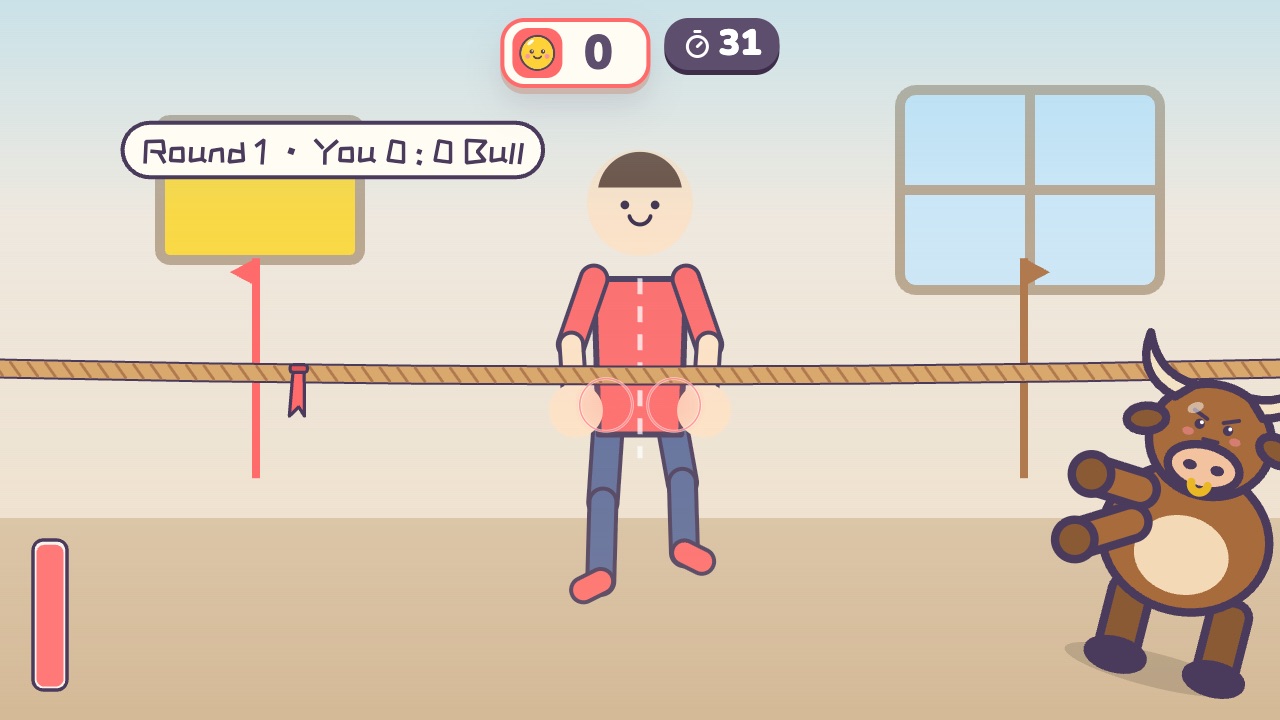 Tug of WarPull the rope back hard until the red flag crosses your lineAges 4–16 · High activity · Versus / Fitness / Hands
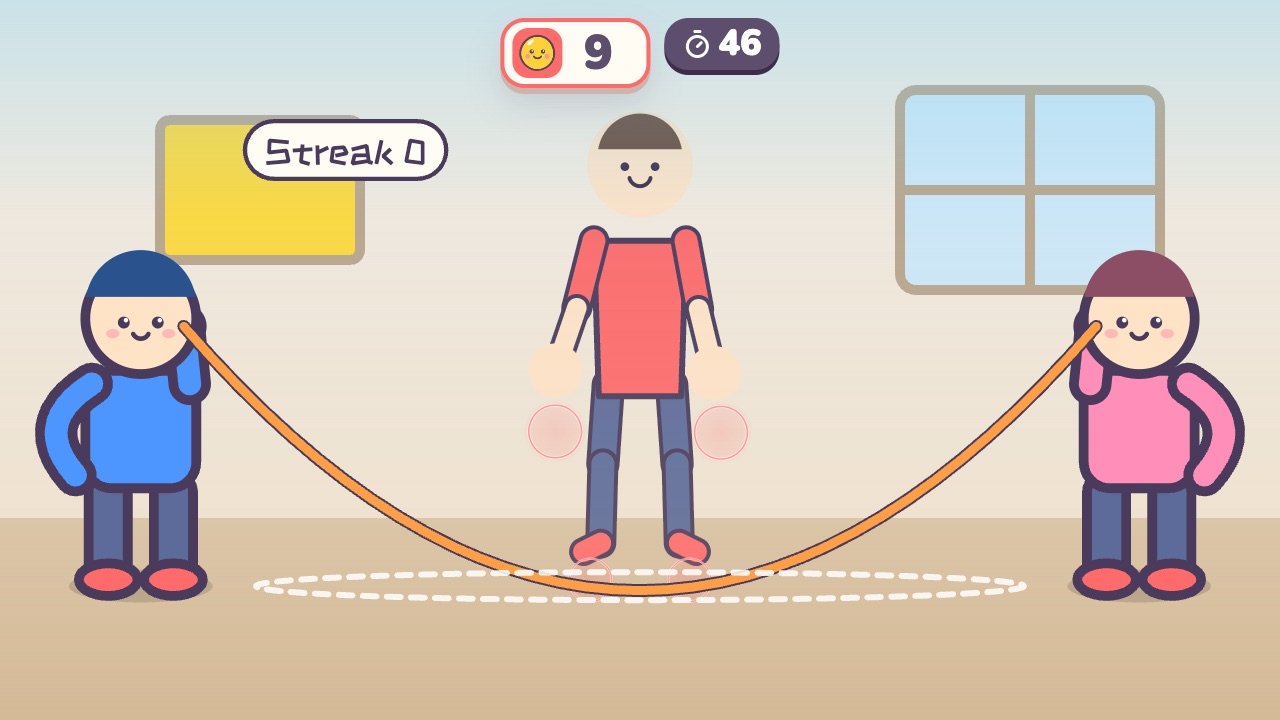 Jump Rope ChampJump when the rope sweeps under your feet. The longer your streak, the faster the ropeAges 6–14 · High activity · Run & jump / Fitness / Rhythm
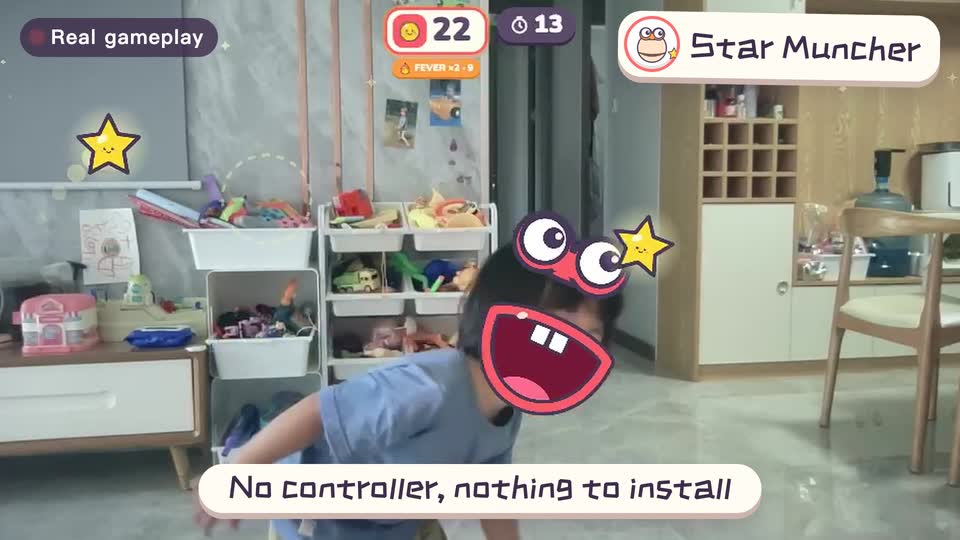
Real footage · 14 s
Kids stand in front of the computer and just move
100+ motion games for ages 3 to 18. Open the website and play: nothing to install, and the camera picture stays on this computer.
Sources
- Physical Activity Guidelines for Americans, 2nd edition. U.S. Department of Health and Human Services. 2018
- Top 10 Things to Know About the Second Edition of the Physical Activity Guidelines for Americans. Office of Disease Prevention and Health Promotion
- Homeschool Laws by State. Home School Legal Defense Association. State-by-state legal map
Keep reading
- Indoor recess games: a 20-minute rainy-day plan
- Brain breaks: 5-minute movement games for any grade
- Brain breaks for middle and high school: movement teens won’t call babyish
- Brain breaks for kindergarten and preschool: short, silly and mostly screen-free
- Smartboard games that get the whole class moving, not just one kid at the board
- ESL movement games: Total Physical Response with a webcam