 DongDong Park
Brain breaks for kindergarten and preschool: short, silly and mostly screen-free
Updated
Little kids can’t sit for long, and they shouldn’t have to. Brain breaks for ages 3 to 6 are short (one to three minutes), silly, and repeated a lot. Most need no screen at all. Here are both kinds, where they fit in the day, and how to keep screen time small.
What the guidance says
- U.S. guidelines say preschool-aged children (3 to 5) should be active throughout the day, and adults should encourage active play and aim for at least 3 hours a day.
- The WHO recommends that 3- and 4-year-olds get at least 180 minutes of activity a day, at least 60 of them moderate to vigorous, and no more than one hour of sedentary screen time.
- The American Academy of Pediatrics suggests limiting screen media to one hour a day of high-quality content for ages 2 to 5, ideally with an adult.
- In school classrooms, kindergarten included, the CDC recommends bouts of classroom physical activity of 5 minutes or more, several times a day.
So a projector game is a small part of the day: a few minutes, played together. The rest is music, imagination and open floor.
Screen-free brain breaks
| Break | How | Good for |
|---|---|---|
| Freeze dance | Music on, everyone dances; music off, everyone freezes | Any time; listening |
| Animal walk | Bear-crawl to the rug, bunny-hop to the door, tiptoe like a mouse to the sink | Transitions and lining up |
| Rocket launch | Crouch down, count 5-4-3-2-1 together, jump up high | Waking up after rest time |
| Balloon tap | The whole group keeps one balloon in the air | Teamwork |
| Shake-out countdown | Shake each hand 5 times, each foot 5 times, then 4, 3, 2, 1 | Counting; settling down |
| Tree pose | Stand on one foot, arms up like branches, count to 5 | Calming down; balance |
Brain breaks on the projector
One child stands in front of the webcam, about 7 to 10 feet back; everyone else copies along on the rug. A round lasts about a minute, so two rounds with a new child each time is a whole break.
| Game | Ages | Kind |
|---|---|---|
| Red Light, Green Light | 3–10 | Wake-up and listening |
| Animal Moves | 3–8 | Silly, whole body |
| Carrot Pull | 3–8 | Squat down, stand up, pull the carrot |
| Balloon Keep-Up | 3–8 | Reaching and tapping |
| Star Stomp | 4–12 | Stomping, footwork |
| Color Touch | 3–7 | Colors and shapes |
| Clap and Count | 3–7 | Counting |
| Bubble Pop, Little Gardener | 3–7 | Calm-down |
| Blow the Dandelion | 3–8 | Slow breathing (uses the microphone) |
The games have a preschool level with three difficulties; start 3-year-olds on easy. More picks on games for ages 3–6 and in motion games for kindergarten.
Where breaks fit in the day
| Moment | Try |
|---|---|
| Morning arrival | Freeze dance to one song |
| After circle time | Rocket launch, or one round of Red Light, Green Light |
| Before snack or lining up | Animal walk to the next spot |
| After rest time | Carrot Pull or Star Stomp to wake up |
| Before story time | Tree pose, Bubble Pop or Blow the Dandelion to calm down |
Tips for the youngest
- Show, don’t explain: do every move with them.
- Repeat the same three or four breaks; add one new one a week. Little kids love knowing what comes next.
- Signal the end the same way every time: a countdown, then hands on knees and one big breath.
- Give each child a “space bubble”: an arm’s length all around, or a taped spot on the floor.
- Never take a break away as punishment; the kids who wiggle most need it most.
For older grades, see brain breaks for the classroom and brain breaks for middle and high school. Longer indoor sessions: preschool indoor activities and listening games. Running, jumping, balance and ball skills by age: gross motor activities for preschoolers.
Common questions
- How long should a brain break be in kindergarten?
- One to three minutes, several times a day. Little kids don’t need long breaks; they need frequent ones, especially between sitting activities.
- Are screen brain breaks OK for preschoolers?
- In small doses. The American Academy of Pediatrics suggests no more than one hour a day of high-quality screen media for ages 2 to 5, shared with an adult. Keep projector games to a few minutes, play along with the kids, and make most breaks screen-free.
- What are good brain breaks for 3-year-olds?
- Freeze dance, animal walks, rocket launches and keeping a balloon in the air. On screen, Bubble Pop and Red Light, Green Light on the easy level are good first games.
Games mentioned here
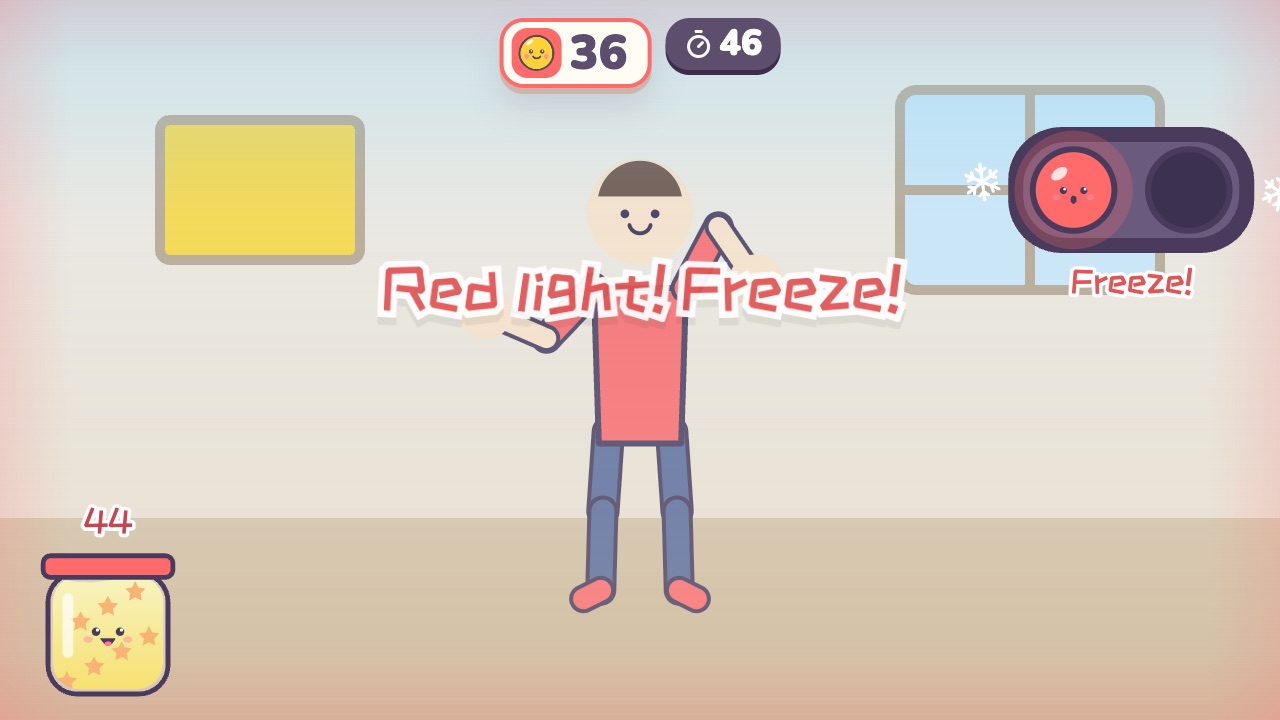 Red Light, Green LightGo wild on green, and freeze like a statue at red lightAges 3–10 · High activity · Whole body
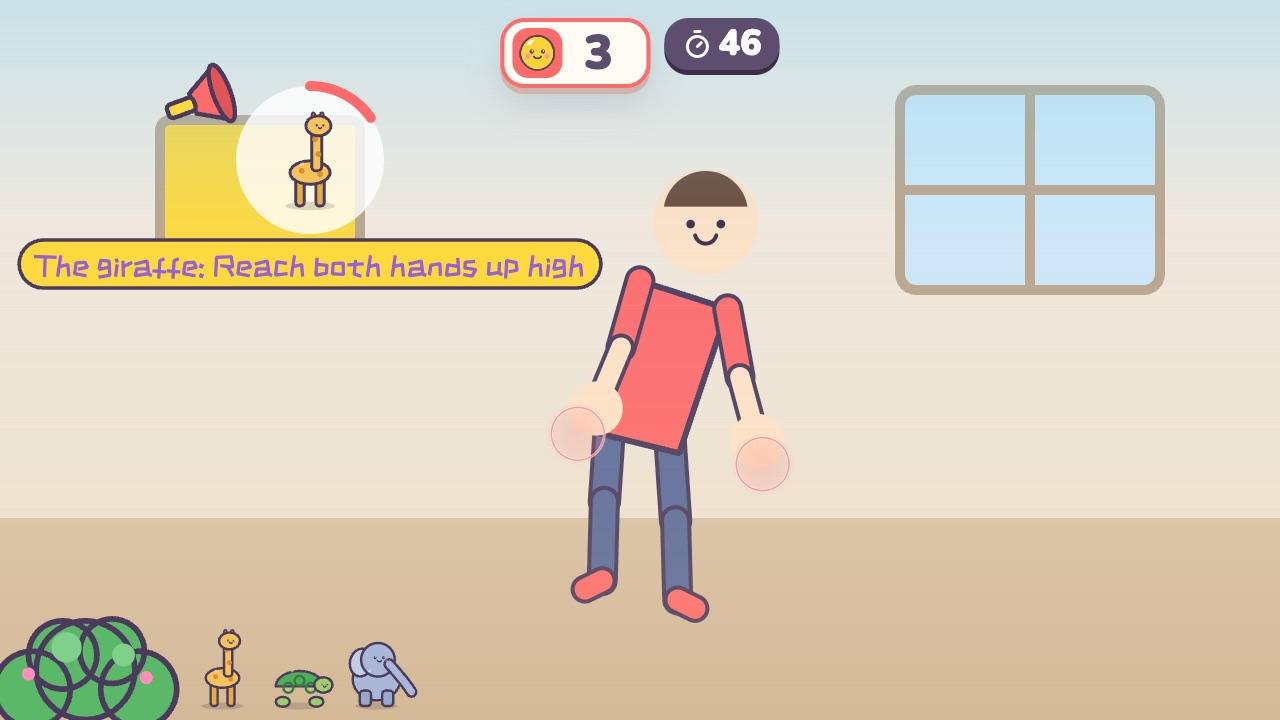 Animal MovesDo the move of whichever animal gets calledAges 3–8 · Moderate activity · Whole body
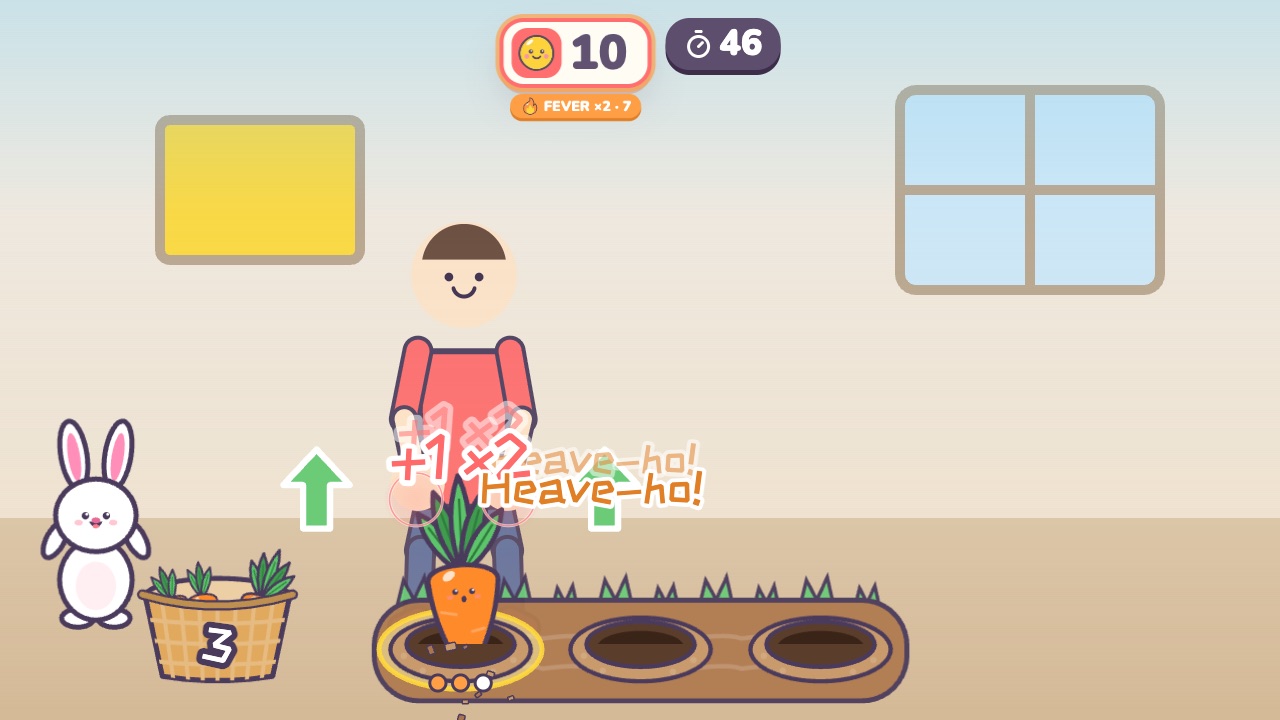 Carrot PullSquat down, grab the leaves and stand up to pull the carrotAges 3–8 · Moderate activity · Whole body / Run & jump / Fitness
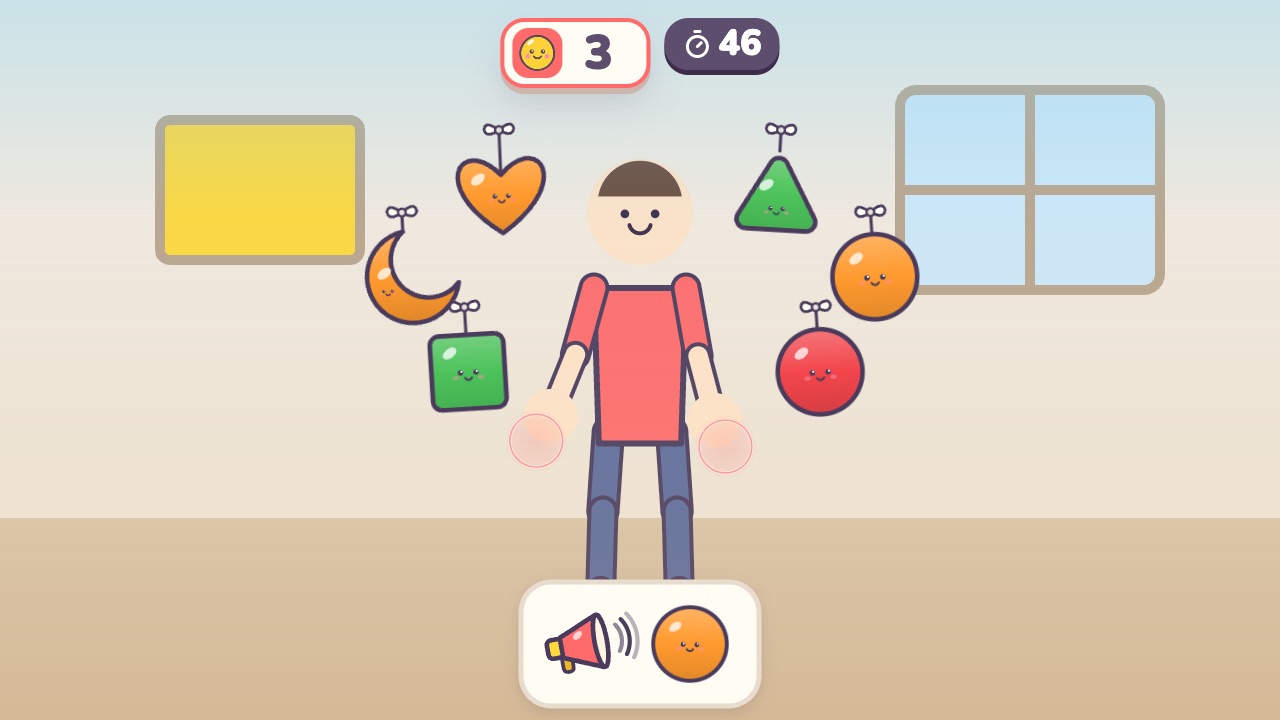 Color TouchListen and touch the right color and shapeAges 3–7 · Light activity · Thinking / Hands
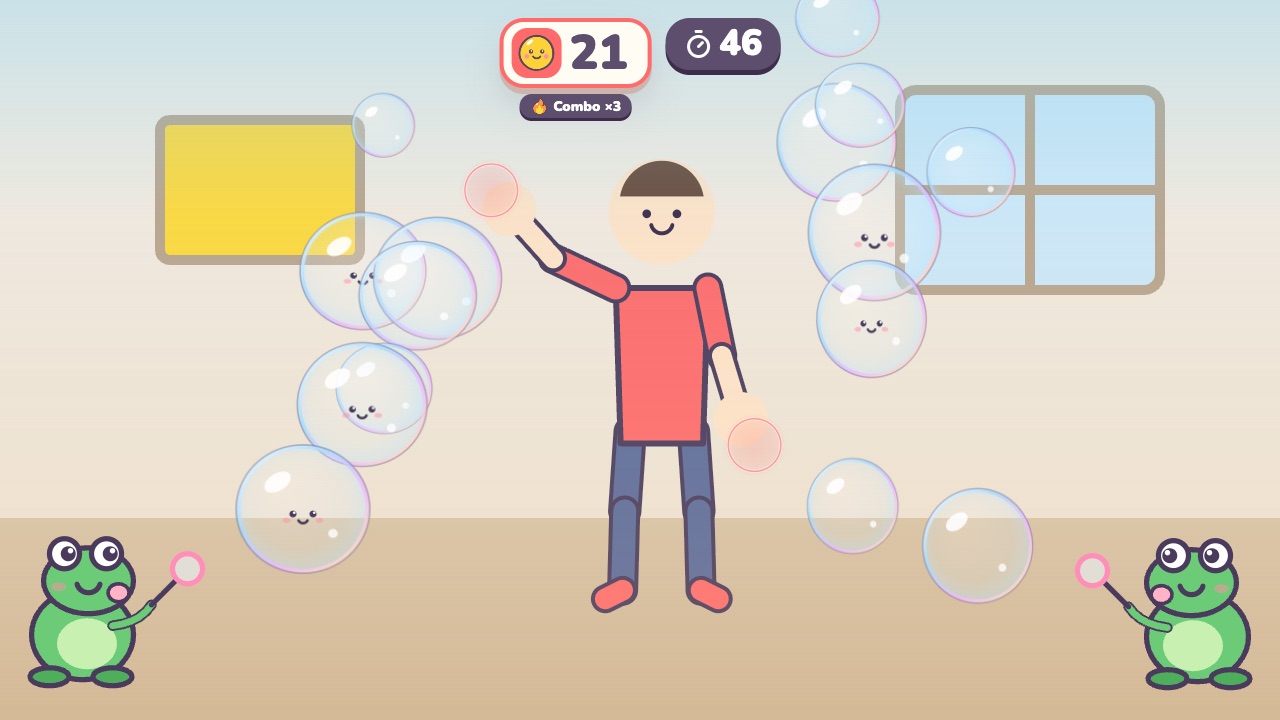 Bubble PopReach out and pop the bubbles the little frogs blowAges 3–7 · Light activity · Hands / Calm
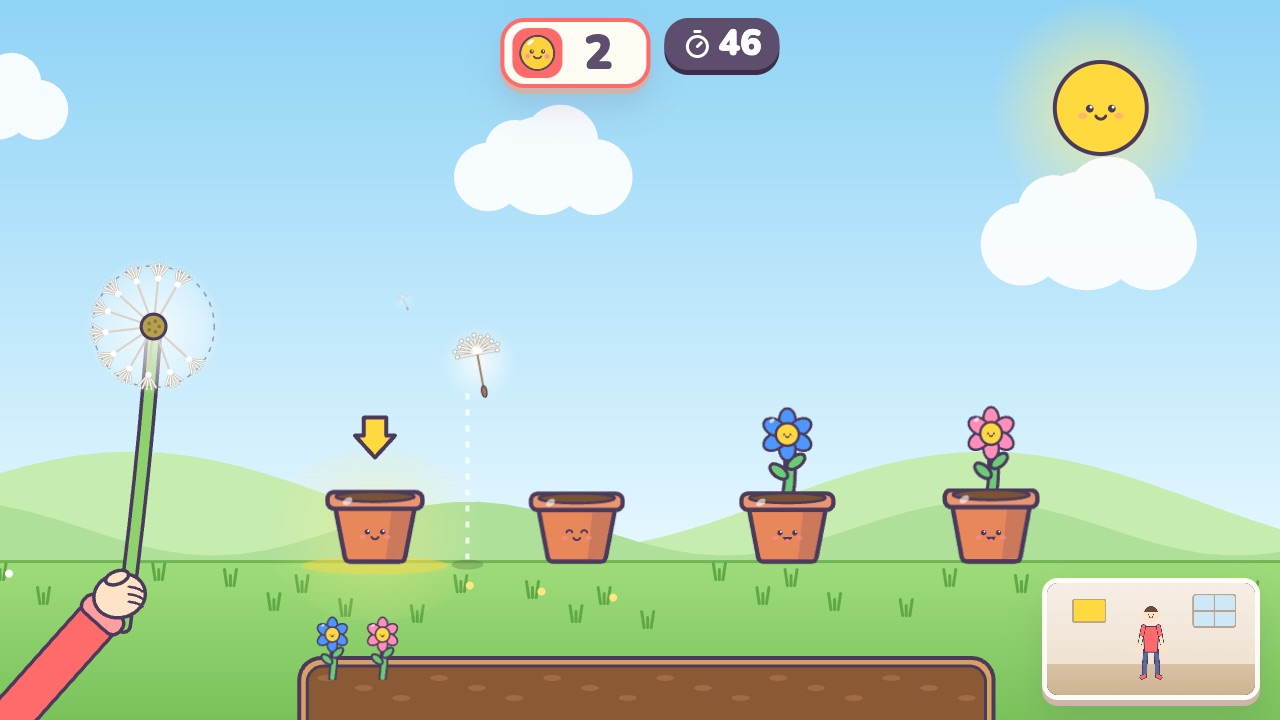 Blow the DandelionBlow the seeds into the flowerpots to make flowers bloomAges 3–8 · Light activity · Calm
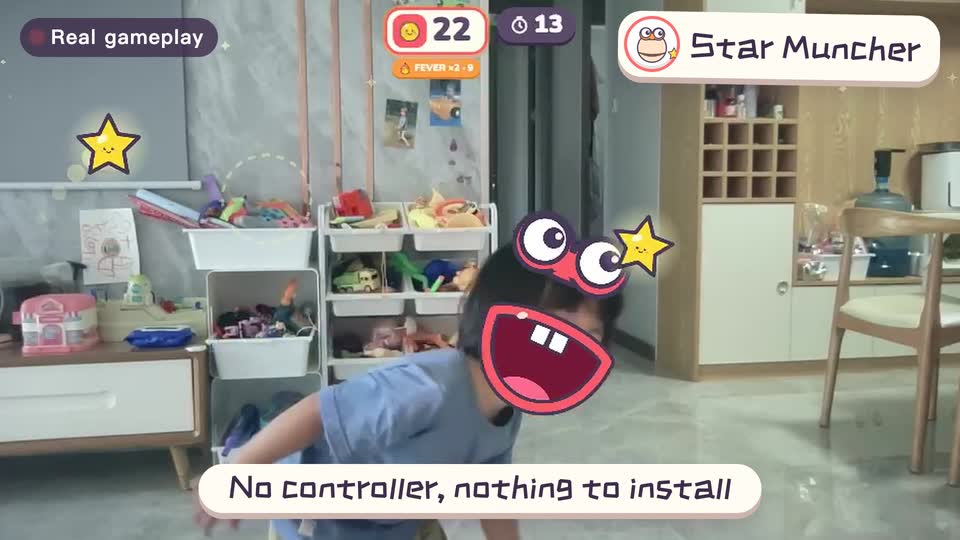
Real footage · 14 s
Kids stand in front of the computer and just move
100+ motion games for ages 3 to 18. Open the website and play: nothing to install, and the camera picture stays on this computer.
Sources
- Top 10 Things to Know About the Second Edition of the Physical Activity Guidelines for Americans. Office of Disease Prevention and Health Promotion
- Guidelines on physical activity, sedentary behaviour and sleep for children under 5 years of age. World Health Organization. 2019
- Media and Young Minds. American Academy of Pediatrics, Council on Communications and Media. Pediatrics 138(5), 2016
- Strategies for Classroom Physical Activity in Schools. Centers for Disease Control and Prevention. 2018
Keep reading
- Indoor recess games: a 20-minute rainy-day plan
- Brain breaks: 5-minute movement games for any grade
- Brain breaks for middle and high school: movement teens won’t call babyish
- Smartboard games that get the whole class moving, not just one kid at the board
- Homeschool PE made simple: a weekly plan, a fitness log and indoor games for bad-weather days
- ESL movement games: Total Physical Response with a webcam