 DongDong Park
Brain breaks for middle and high school: movement teens won’t call babyish
Updated
Ask a room of eighth graders to do a brain break and you may get eye rolls: most brain-break videos are made for little kids. But teens need to move as much as anyone, and most don’t. What works with older students is short, competitive, never babyish, and doesn’t force anyone into the spotlight.
Why older students need them
- In the CDC’s 2025 Youth Risk Behavior Survey, only 25% of U.S. high school students were physically active for at least 60 minutes on all of the past 7 days: 32% of male and 18% of female students. The CDC says this has worsened over the past 10 years.
- Federal guidelines call for 60 minutes or more of moderate-to-vigorous activity every day for everyone from 6 to 17.
- The CDC recommends classroom physical activity in bouts of 5 minutes or more, several times a day, on top of PE and recess, not instead of them.
What makes a brain break work with teens
- A score to beat. A timer, a count, a class record on the board.
- Choice. Put two options up and let the class vote.
- Volunteers on camera, everyone moving. One or two students play on the projector; the rest do the same move at their desks. Nobody has to perform.
- Real moves. Boxing, sprinting, reaction drills and dance-offs, not cartoon animals.
- Short and predictable. Three to five minutes, at the same point in the lesson, then straight back to work.
Games for ages 11 to 18
| Game | Ages | Kind | Why it works with teens |
|---|---|---|---|
| Reaction Lights | 10–18 | Wake-up | Looks and feels like a sports reaction drill |
| Boxing Practice | 9–18 | Wake-up | Punch pads, dodge gloves; students who skip PE still try it |
| Burpee Challenge | 12–18 | Wake-up | A one-minute count, perfect for a class record |
| Quick Draw | 8–18 | Focus | Two players, first hand up on the signal wins, a false start loses: the room goes silent |
| Mirror Dance-Off | 10–18 | Social | Take turns leading while the other mirrors |
| Fencing, Sumo Push | 10–18 | Head-to-head | Quick duels for a bracket tournament |
| Air Drums | 6–18 | Rhythm | Music, and players barely need to move their feet |
| Calm Breathing, Yoga Poses, Tai Chi Cloud Hands | 10–18 / 12–18 | Calm-down | Before a test or after lunch-time noise (Calm Breathing uses the microphone) |
Three formats with zero prep
- Class record. One volunteer a day tries a one-minute counter (Burpee Challenge, Jumping Jack Counter or Squat Counter) while the class does the same move. Write the best score on the board; it becomes the number to beat.
- Bracket tournament. Two students per break play Quick Draw or Air Ping-Pong; the winner moves on. Draw the pairs with the free random group generator; a bracket lasts about two weeks.
- Teacher vs. class. The teacher plays one round of Reaction Lights or Boxing Practice, then volunteers try to beat the score.
Fitting breaks into the timetable
| Lesson | When | What |
|---|---|---|
| 50-minute period | About halfway | One wake-up break, 3 to 4 minutes |
| 90-minute block | Around minute 30 and minute 60 | A wake-up break first, a calm-down before the last task |
| Right after lunch | First few minutes | Wake-up: a counter or Reaction Lights |
| Before a test | Just before handing out papers | Calm-down: two minutes of Calm Breathing or slow stretches |
Keep it comfortable for everyone
- The camera spot is always optional; standing and moving at the desk is the default.
- Students with an injury keep score, run the timer or pick the next game.
- Never use exercise as punishment or take a break away as discipline. SHAPE America lists both among practices to avoid, and the CDC advises against withholding classroom physical activity.
- Students don’t sign up for anything, and camera images aren’t uploaded.
For younger grades, see brain breaks for the classroom and brain breaks for kindergarten. Stress before exams? Try pre-exam stress relief. Seated and one-student ideas are in movement breaks. All games for this age are on ages 12–18.
Common questions
- How long should a brain break be for middle or high school students?
- Three to five minutes. The CDC recommends classroom physical activity in bouts of 5 minutes or more, several times a day. With older students, one break in a 50-minute period and two in a 90-minute block usually fit.
- What if students refuse to do brain breaks?
- Make the spotlight optional: one or two volunteers play on camera while everyone else stands and does the same move at their desks. Use real-world moves (boxing, sprints, reaction drills), add a score to beat, and let the class vote between two options.
- Can we do movement breaks in a small classroom?
- Yes. Only the one or two players at the camera need floor space, about 7 to 10 feet in front of it. Everyone else moves in place behind their desks.
- Do students need accounts or to install anything?
- No. The teacher opens the games in the browser on the classroom computer; camera images aren’t uploaded.
Games mentioned here
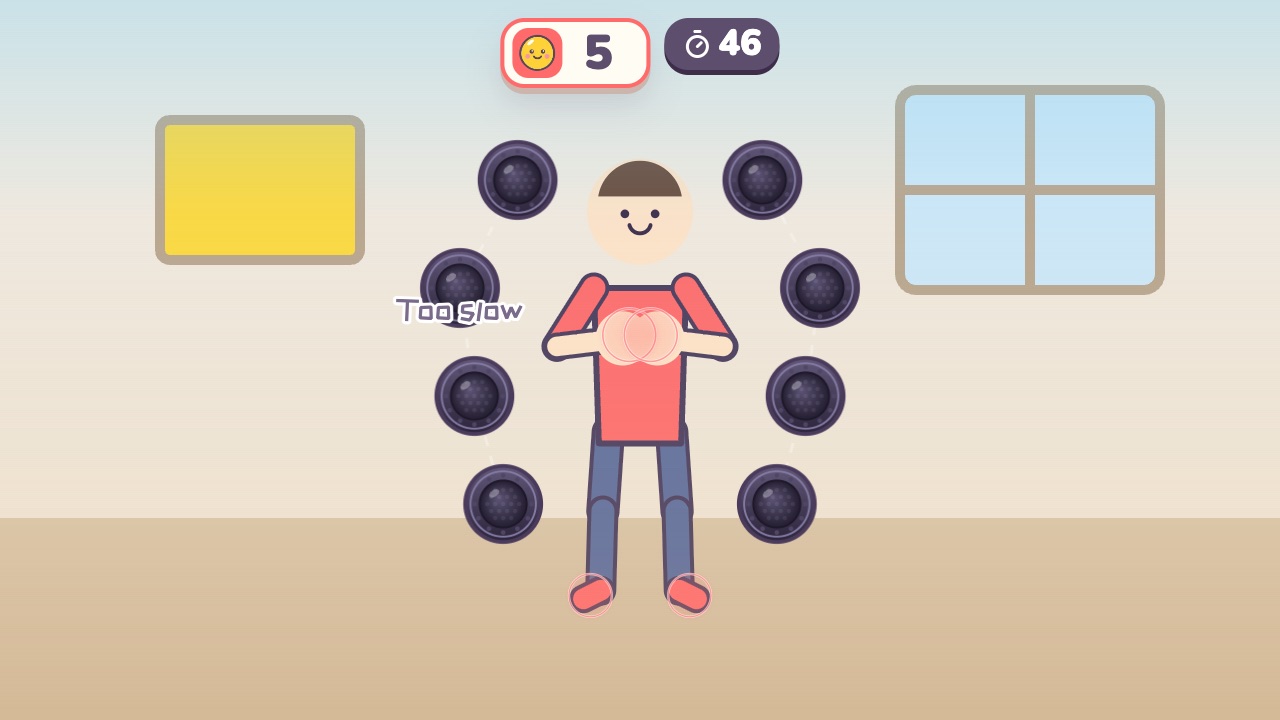 Reaction LightsHit whichever light turns green as fast as you can, and never touch a red oneAges 10–18 · High activity · Fitness / Whole body / Thinking
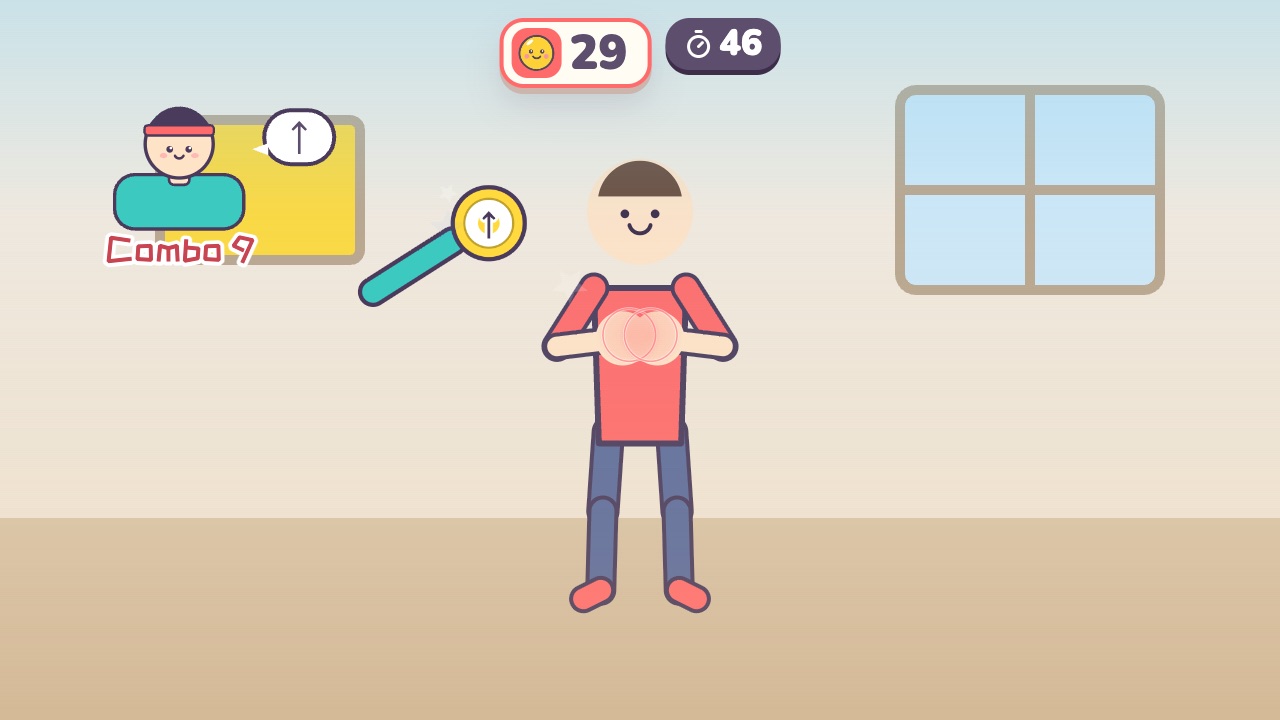 Boxing PracticeThe coach holds up pads: punch left, right and up, dodge the gloves and duck the barAges 9–18 · High activity · Hands / Fitness
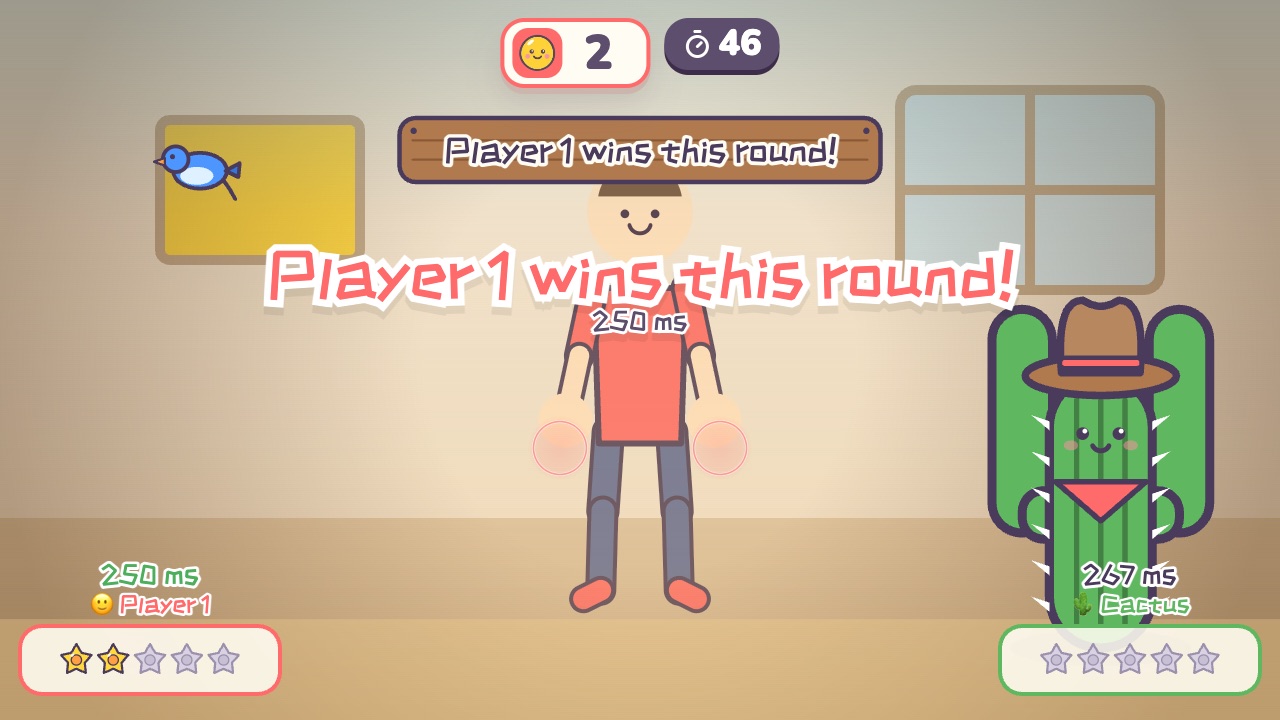 Quick DrawRaise your hand first when the signal comes, but move too soon and you loseAges 8–18 · Light activity · Versus / Calm
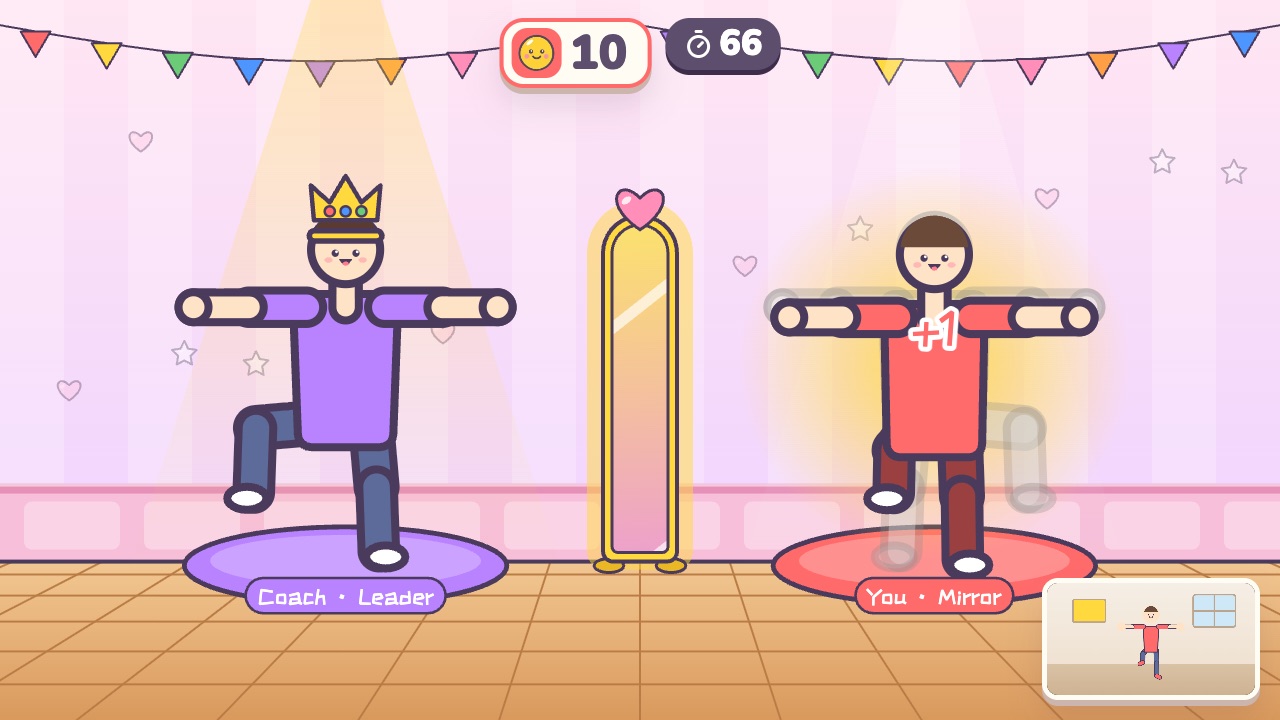 Mirror Dance-OffTake turns leading the dance while the other player mirrors youAges 10–18 · Moderate activity · Versus / Whole body
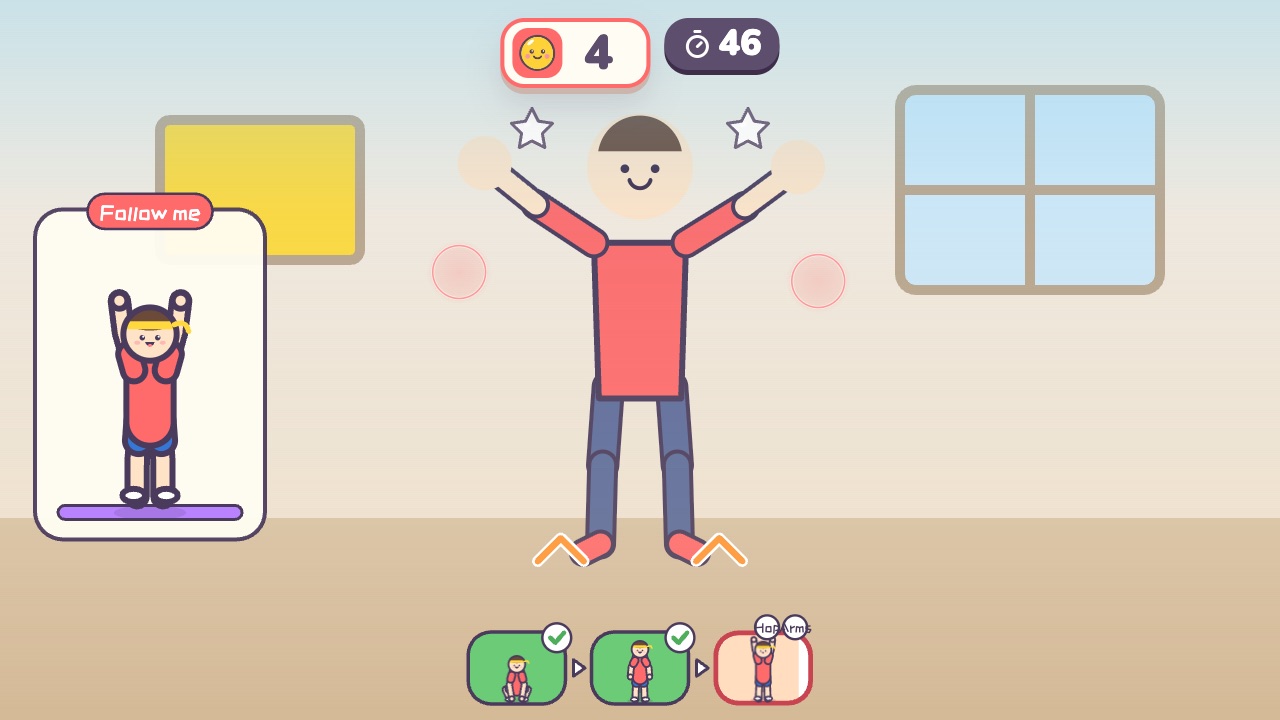 Burpee ChallengeSquat and touch the floor, stand up, jump and reach. How many in a minute?Ages 12–18 · High activity · Fitness / Run & jump
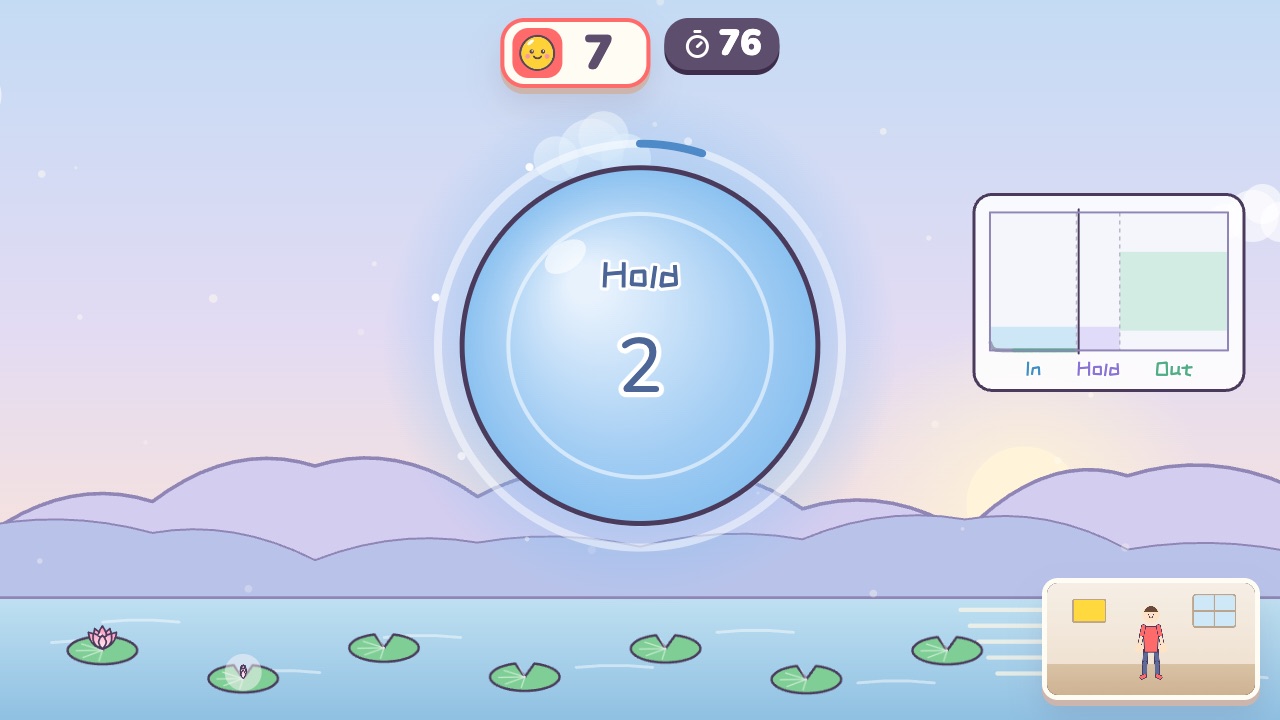 Calm BreathingBreathe in as the circle grows, and breathe out slowly at the microphone as it shrinksAges 10–18 · Light activity · Calm
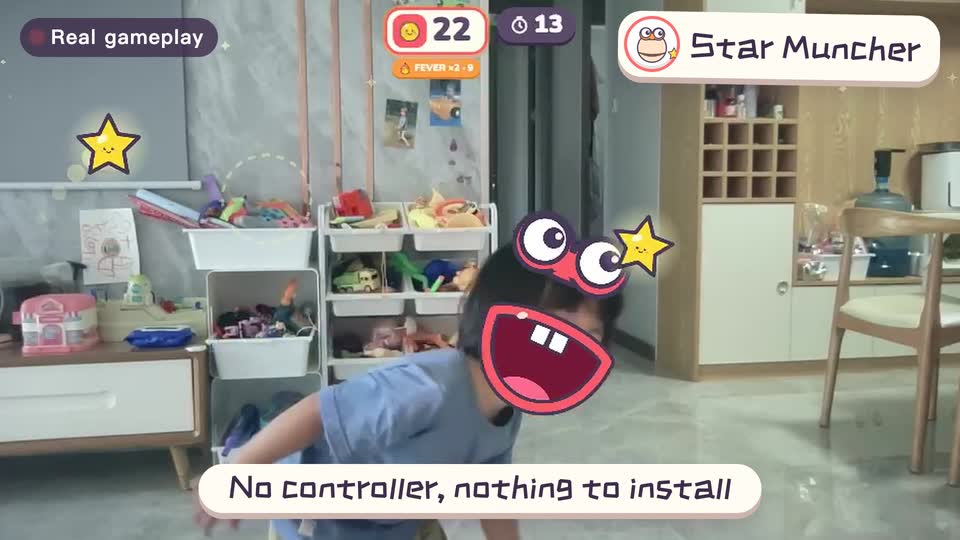
Real footage · 14 s
Kids stand in front of the computer and just move
100+ motion games for ages 3 to 18. Open the website and play: nothing to install, and the camera picture stays on this computer.
Sources
- Youth Risk Behavior Surveillance System: Physical Activity. Centers for Disease Control and Prevention. 2025 survey results
- Strategies for Classroom Physical Activity in Schools. Centers for Disease Control and Prevention. 2018
- Physical Activity Guidelines for Americans, 2nd edition. U.S. Department of Health and Human Services. 2018
- Physical Activity Should Not Be Used as Punishment and/or Behavior Management. SHAPE America. Position statement, 2021
Keep reading
- Indoor recess games: a 20-minute rainy-day plan
- Brain breaks: 5-minute movement games for any grade
- Brain breaks for kindergarten and preschool: short, silly and mostly screen-free
- Smartboard games that get the whole class moving, not just one kid at the board
- Homeschool PE made simple: a weekly plan, a fitness log and indoor games for bad-weather days
- ESL movement games: Total Physical Response with a webcam