 DongDong Park
Brain breaks: 5-minute movement games for any grade
Updated
A brain break (or movement break) is a few minutes of movement in the middle of class. The CDC calls it classroom physical activity and recommends short bouts of 5 minutes or more, done several times a day. Here are three kinds of break, the games for each, and a sample day.
Three kinds of brain break
| Kind | When | On the projector | No screen |
|---|---|---|---|
| Wake-up | After lunch, a long stretch of seatwork | Jumping Jack Counter, High Knees Counter, Squat Counter | Count to 30 together while doing jumping jacks |
| Focus reset | Before a test or a new topic | Simon Says, Do the Opposite, Red Light, Green Light | Teacher calls moves; only move when the rule is followed |
| Calm-down | After recess or gym, before reading | Calm Breathing for grades 5 and up, Bubble Pop for the youngest | Slow stretches, five deep breaths |
How to run one with a projector
- One or two kids stand in front of the webcam, about 7 to 10 feet back.
- Everyone else stands behind their desks and copies the moves, so the whole class is moving, not watching.
- Play two or three one-minute rounds, swapping players each time. That’s the five minutes.
A sample day
| Time | Break |
|---|---|
| Mid-morning, between literacy and math | Focus reset, 5 minutes |
| Right after lunch | Wake-up, 5 minutes |
| Mid-afternoon | Wake-up or a short head-to-head game, 5 minutes |
| After recess or PE | Calm-down, 3 to 5 minutes |
Four breaks add up to about 20 minutes of movement. Federal guidelines call for 60 minutes or more of moderate-to-vigorous activity a day for ages 6 to 17, so brain breaks, recess and PE together get kids most of the way.
Two rules worth keeping
- Never take a brain break away as punishment. The CDC advises against withholding classroom physical activity as discipline, and SHAPE America lists withholding brain breaks among practices to avoid.
- Keep it short and on a schedule. Kids settle faster when they know a break is coming.
On rainy days, stretch it into indoor recess games; for a full lesson, see PE warm-up games and motion games at recess and in PE. Looking beyond videos? Compare options in GoNoodle alternatives.
By age: brain breaks for kindergarten and preschool and brain breaks for middle and high school. Running them on an interactive whiteboard? See smartboard movement games. For one child at a time, seated moves or homework at home, see 40 movement break ideas.
Games mentioned here
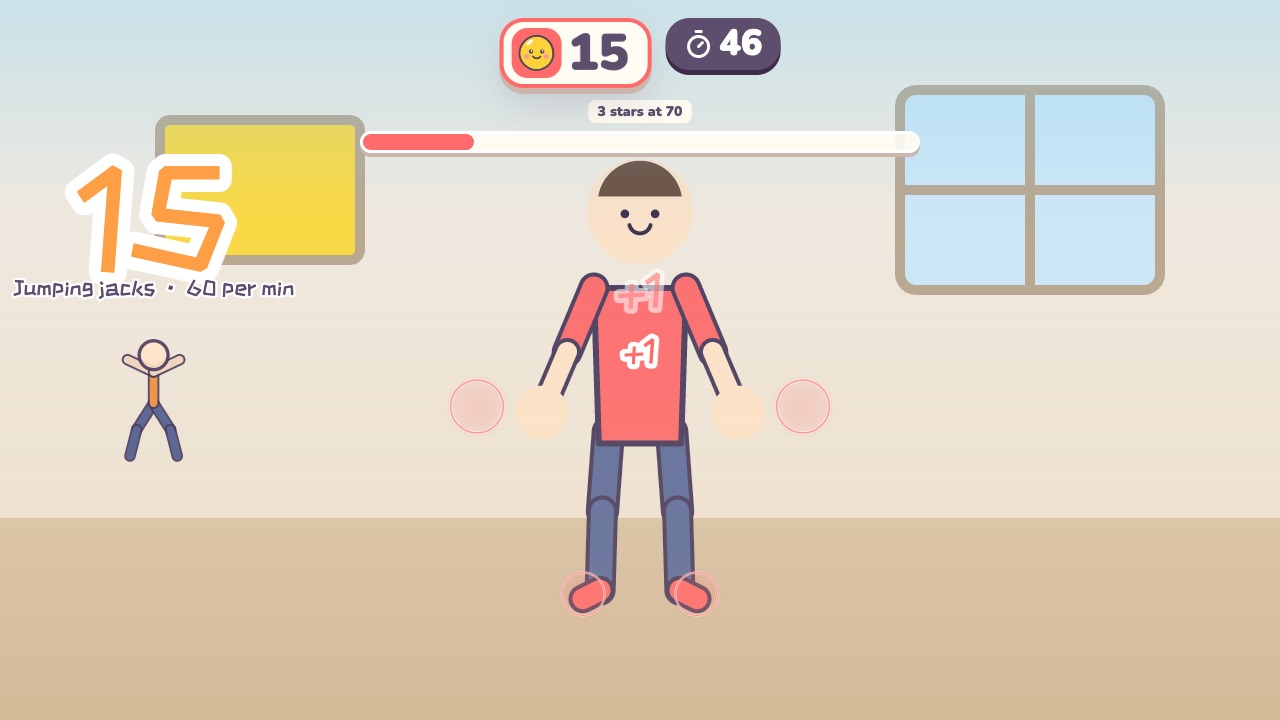 Jumping Jack CounterJump out with hands up, jump in with hands down: that is one. How many in a minute?Ages 6–18 · High activity · Fitness / Whole body
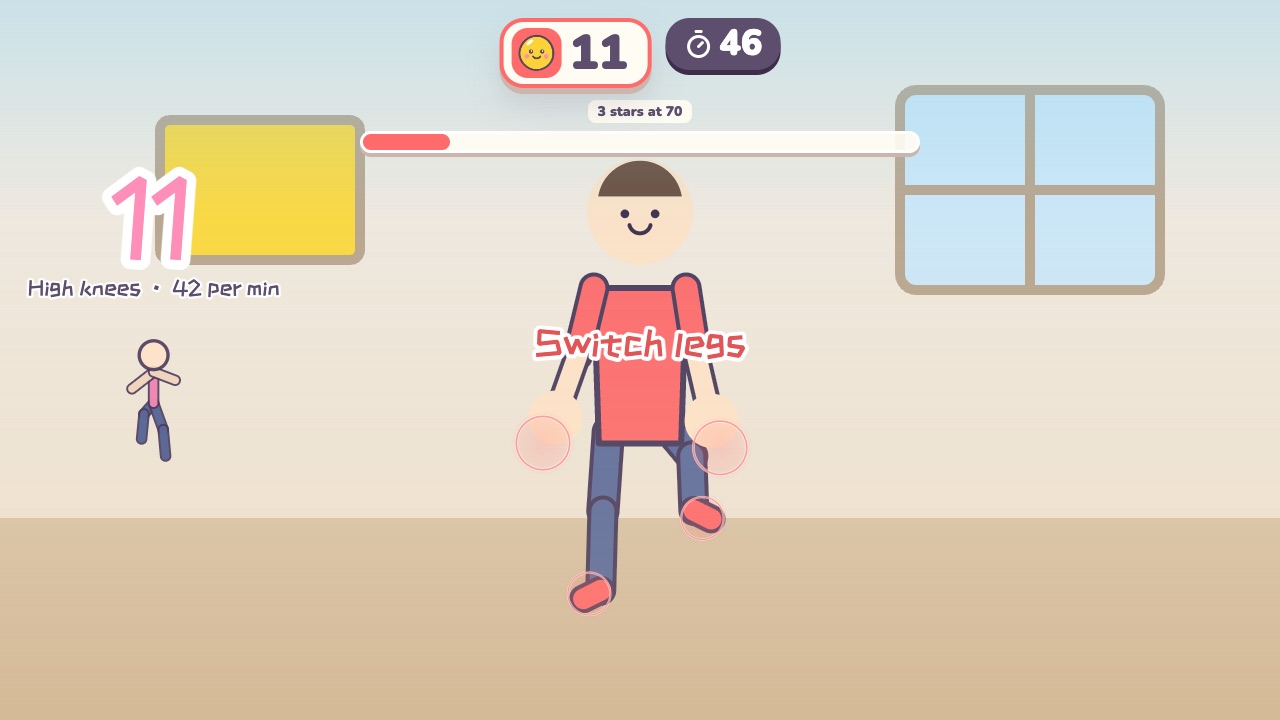 High Knees CounterLift your knees to hip height, left and right in turn. How many in a minute?Ages 6–18 · High activity · Fitness / Run & jump
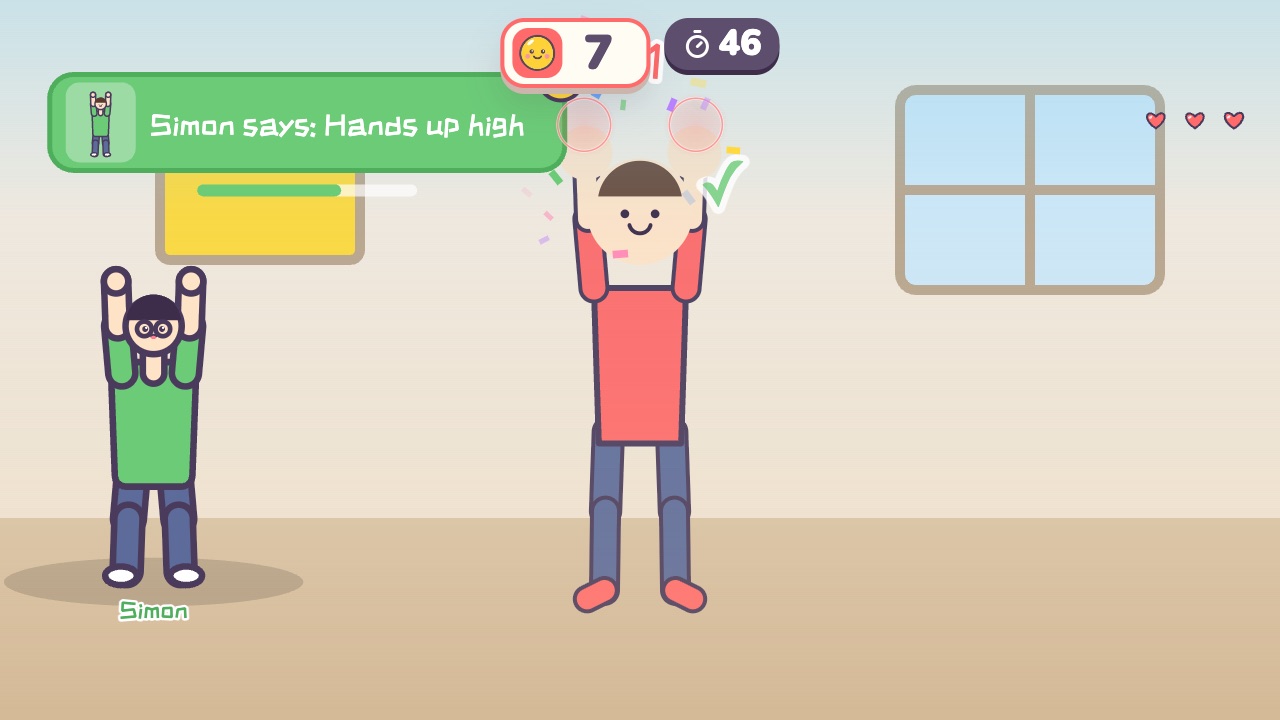 Simon SaysOnly move when Simon says soAges 4–10 · Moderate activity · Whole body / Thinking
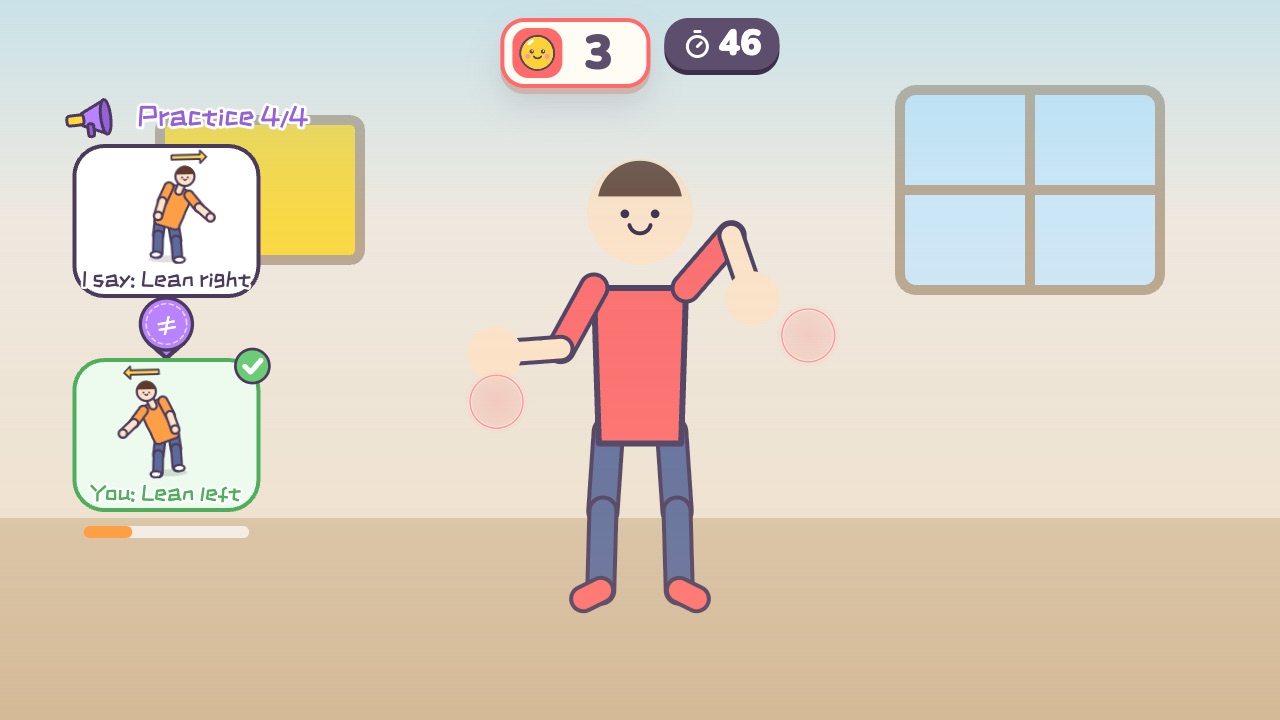 Do the OppositeI say arms up, you squat down. Only the opposite move countsAges 4–10 · Moderate activity · Whole body / Thinking
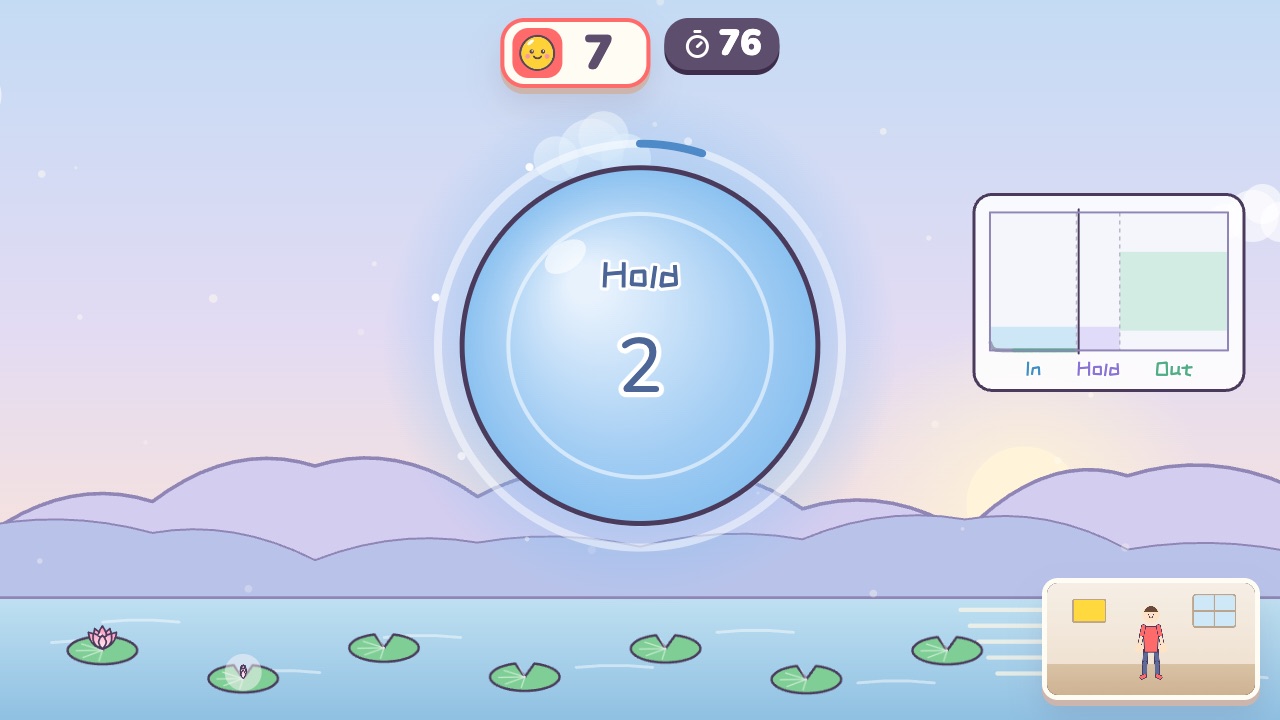 Calm BreathingBreathe in as the circle grows, and breathe out slowly at the microphone as it shrinksAges 10–18 · Light activity · Calm
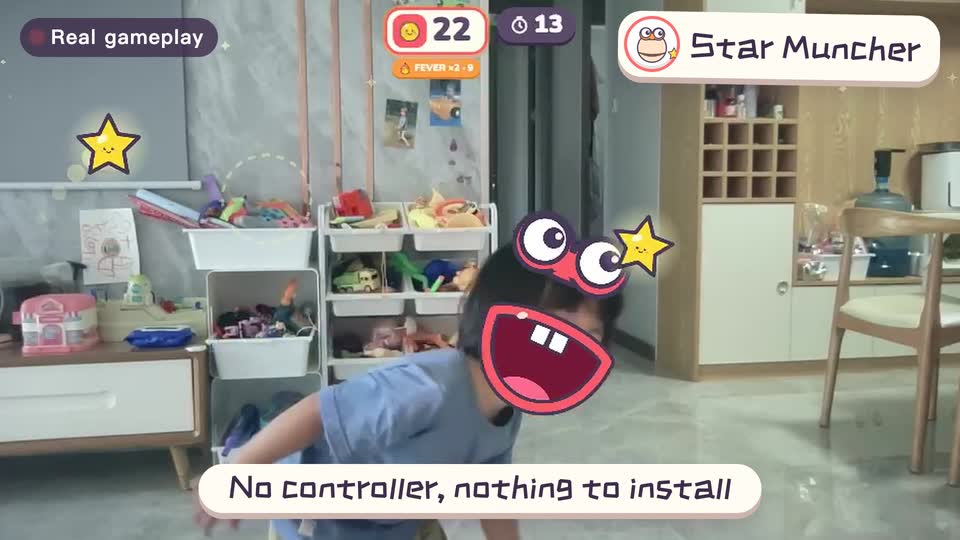
Real footage · 14 s
Kids stand in front of the computer and just move
100+ motion games for ages 3 to 18. Open the website and play: nothing to install, and the camera picture stays on this computer.
Sources
- Strategies for Classroom Physical Activity in Schools. Centers for Disease Control and Prevention. 2018
- Physical Activity Should Not Be Used as Punishment and/or Behavior Management. SHAPE America. Position statement, 2021
- Physical Activity Guidelines for Americans, 2nd edition. U.S. Department of Health and Human Services. 2018
Keep reading
- Indoor recess games: a 20-minute rainy-day plan
- Brain breaks for middle and high school: movement teens won’t call babyish
- Brain breaks for kindergarten and preschool: short, silly and mostly screen-free
- Smartboard games that get the whole class moving, not just one kid at the board
- Homeschool PE made simple: a weekly plan, a fitness log and indoor games for bad-weather days
- ESL movement games: Total Physical Response with a webcam