 DongDong Park
PE games with no equipment: 25 games for any space and grade
Updated
The ball cart is locked, the cones are at the other school, or PE is in a classroom today. These 25 games need nothing but space and your voice. Each one can be explained in under a minute, and every one has a version where nobody sits out.
What makes a good no-equipment game
- Everyone moves. SHAPE America asks for lessons that keep all students moderately to vigorously active for at least half of class time. Games where kids are out and sit watching work against that: its position statement on dodgeball points out that many players are eliminated within minutes.
- Quick rules. If it takes three minutes to explain, the lesson is slipping away. Demonstrate with two students instead.
- Clear boundaries. Use the lines already on the gym floor, the walls, or a fence and a tree outside. In a classroom, push the desks to the walls and walk, never run.
- Gentle tags. A two-finger touch on the back or shoulder. No pushing, no grabbing, nothing near the head.
- Switch roles instead of sitting out. Tagged players become taggers, change teams or freeze until a friend frees them. Don’t use exercise as the penalty either: SHAPE America’s position is that physical activity should not be used as punishment.
Tag games
- Freeze Tag (K–5, gym or field). One or two taggers for every 10 kids. Tagged players freeze with their arms out; a free player unfreezes them with a high five. Change taggers every minute.
- Everybody’s It (grades 2–8, gym). Everyone is a tagger. If you’re tagged, kneel down; you’re back in the moment the player who tagged you gets tagged.
- Blob Tag (grades 3–8, gym or field). Two players hold hands to make the blob. Everyone they tag joins the chain, and when the blob reaches four it splits into two pairs. Play until everyone is in a blob, then start again with the last two caught.
- Hospital Tag (grades 2–5, gym). The first time you’re tagged, hold that spot with one hand and keep playing. The second time, both hands. The third time, walk to the “hospital” corner, count to 10, and come back healed.
- Shadow Tag (K–5, outside on a sunny day). Tag someone by stepping on their shadow. Play when shadows are long, in the morning or late afternoon.
- Sharks and Minnows (grades 2–8, gym or field). Minnows line up on one end line, with one or two sharks in the middle. On “Fishy, fishy, cross my ocean!” the minnows run to the other end. Tagged minnows become seaweed: they keep one foot planted where they were caught and tag minnows who pass within reach. The last minnow left is the next shark.
- Crows and Cranes (grades 2–8, gym). Two teams stand a few steps apart on either side of the center line, each with a safe line behind it. Call “Crrrows!” or “Crrranes!”: the team you name chases, and the other runs for its safe line. Anyone tagged joins the other team, so nobody is ever out.
- Rock Paper Scissors Tag (grades 2–8, gym or field). Pairs face each other across the center line and play one round of rock, paper, scissors. The winner chases the loser back to the loser’s safe line; anyone tagged joins the winner’s team.
- Partner Tag (grades 4–12, gym). Pairs spread out in a marked area. One partner chases the other; after a tag, the new chaser claps three times before going. Swap partners every minute.
Listen-and-move games
- Red Light, Green Light (K–3, any space). Green means go (walk indoors), red means freeze, yellow means slow motion. Add colors of your own: purple for hopping, blue for crab walking. Anyone moving on red goes back to the start line.
- Simon Says (K–4, any space). Only follow the moves that start with “Simon says.” Instead of sitting out, players who slip keep playing; the class counts slips and tries to beat its record next time.
- Captain’s Coming (K–5, gym). The walls are parts of a ship: run to the bow (front), the stern (back), port (left) or starboard (right). “Captain’s coming!”: stand still and salute. “Swab the deck!”: scrub the floor. “Hit the deck!”: lie on your stomach. “Crew of three!”: sit in a line of three and row. Start with three commands and add one each round.
- Four Corners (K–5, classroom or gym). Number the corners. A caller in the middle closes their eyes and counts down from 10 while everyone skips, gallops or tiptoes to a corner. The caller names a corner, and the players there join the middle as callers for the next round.
- Freeze Dance (K–5, any space). Dance while the music plays and freeze when it stops. Call a shape for each freeze: a letter, an animal, a statue. Music from a phone is enough.
- The Bean Game (K–2, any space). Call out a bean and everyone acts it out: jumping bean (jump), runner bean (run on the spot), string bean (stretch tall), broad bean (make yourself wide), jelly bean (wobble), baked bean (curl up small), frozen bean (freeze).
- Follow the Leader (K–3, gym or field). The class follows a leader around the space; the leader changes the movement every 20 seconds (skip, gallop, slide sideways, hop, march). On the whistle the leader goes to the back of the line.
Partner and small-group games
- Mirror Game (K–8, any space). Partners face each other. One leads with slow moves and the other mirrors them exactly. Switch leaders on the signal, then try faster moves.
- Rock Paper Scissors Evolution (grades 1–8, any space). Everyone starts as an egg, walking in a squat. Find another egg and play rock, paper, scissors: the winner becomes a chicken (flapping arms), the loser stays an egg. Chickens play chickens to become dinosaurs (stomping), and dinosaurs play dinosaurs to become superheroes (arms out, flying). Lose and you drop back one level. Nobody is out.
- Shoulder Tag (grades 4–12, any space). Partners try to tap each other’s shoulders while guarding their own. One point per tap, 30-second rounds, then switch partners. Keep the taps light.
- Stand-Up Challenge (grades 3–12, any space). Two players sit back to back with arms linked and stand up together without putting their hands on the floor. Then try it with three, four, and the whole group.
- Animal Walk Relay (K–5, gym). Teams of three or four, so nobody waits long. Each runner crosses the gym and back as a bear (hands and feet), a crab (belly up), a frog (squat jumps) or an inchworm (walk the hands out, then walk the feet up to them).
Fitness and team games
- Fitness Countdown (grades 3–12, any space). 10 jumping jacks, 9 squats, 8 lunges, 7 high knees on each side, and so on down to 1 move of your choice. Partners count for each other; then the class races its own best time.
- Workout Charades (grades 3–8, any space). In small groups, one student acts out a sport: swimming, a basketball shot, skiing. Once someone guesses, the whole group does that move for 30 seconds.
- Class Line Dance (grades 3–12, any space). Teach four 8-count moves and put them together to a song. Then each group adds a move of its own, and the class learns them all.
- Silent Line-Up (grades 3–12, any space). Line up by birthday, height or first name without talking. It isn’t much exercise, but it makes a good opener or cool-down on a team-building day.
Skip Duck, Duck, Goose for PE: one child runs while everyone else sits. Shadow Tag, Follow the Leader or the Bean Game keep the same age group moving the whole time.
Picks by space and grade
Classroom means desks pushed back to the walls.
| Space and grade | Games |
|---|---|
| Classroom, K–2 | Bean Game; Freeze Dance; Simon Says; Four Corners |
| Classroom, grades 3–5 | Four Corners; Mirror Game; Rock Paper Scissors Evolution; Fitness Countdown |
| Classroom, grades 6–12 | Rock Paper Scissors Evolution; Shoulder Tag; Stand-Up Challenge; Class Line Dance |
| Gym, K–2 | Captain’s Coming; Freeze Tag; Animal Walk Relay; Follow the Leader |
| Gym, grades 3–5 | Crows and Cranes; Hospital Tag; Sharks and Minnows; Captain’s Coming |
| Gym, grades 6–12 | Blob Tag; Everybody’s It; Partner Tag; Rock Paper Scissors Tag |
| Outside, K–2 | Shadow Tag; Red Light, Green Light; Follow the Leader |
| Outside, grades 3–5 | Sharks and Minnows; Crows and Cranes; Blob Tag |
| Outside, grades 6–12 | Blob Tag; Rock Paper Scissors Tag; Sharks and Minnows |
Older students need this as much as younger ones. Federal guidelines call for 60 minutes or more of moderate-to-vigorous activity a day for ages 6 to 17, yet in the CDC’s 2025 survey only 25% of U.S. high school students were active for at least 60 minutes on all of the past 7 days.
A 30-minute lesson with no equipment
An example for grades 3 to 5:
| Minutes | What happens | Example |
|---|---|---|
| 0–5 | Warm-up, everyone moving | Follow the Leader, then Captain’s Coming with three commands |
| 5–20 | Two tag games, with a water break between them | Crows and Cranes, then Blob Tag |
| 20–27 | Partner game | Rock Paper Scissors Evolution or the Mirror Game |
| 27–30 | Cool-down | Slow stretches, then a Silent Line-Up at the door |
Equipment games without the equipment
For days when the gym is taken: a laptop with a webcam and a projector or TV turns one corner of the room into a station for games that usually need gear. The game keeps count and score, so the station runs itself while you teach the rest.
| Usually needs | Play instead (ages) |
|---|---|
| A jump rope | Jump Rope Champ (6–14), Jump Rope Counter (6–18) |
| A rope and two teams | Tug of War, two players head to head (4–16) |
| Hurdles | Hurdle Race (8–18) |
| A ball and a hoop | Hoop Shots (5–16) |
| A ball and a goal | Soccer Shootout (4–10), Goalkeeper (9–16) |
| A net and a ball | Volleyball Keep-Up, Tennis Rally (6–15) |
| Pins and a lane | Bowling (5–14) |
| A pool | Swim Race (5–15) |
| A sandpit | Standing Long Jump (8–18) |
Run it as one station in a rotation: two kids play a round while the rest of their group does the same moves beside them. A full classroom lesson built this way is in the indoor PE lesson plan; for warm-ups see PE warm-up games, and for interactive whiteboards smartboard games. Teaching at home? See homeschool PE.
Common questions
- What PE games need no equipment?
- Tag games (Freeze Tag, Blob Tag, Crows and Cranes, Sharks and Minnows), listen-and-move games (Red Light, Green Light, Simon Says, Captain’s Coming, Four Corners) and partner games (the Mirror Game, Rock Paper Scissors Evolution) need nothing but space and your voice.
- How do you teach PE without a gym?
- Push the desks to the walls and choose games played in place: Freeze Dance, the Bean Game, Four Corners, the Mirror Game, Rock Paper Scissors Evolution and Fitness Countdown. Walk, don’t run, between desks. A computer with a webcam can run one station of games that usually need equipment.
- What are good no-equipment PE games for kindergarten?
- Short rules and lots of movement: the Bean Game, Red Light, Green Light, Freeze Dance, Follow the Leader, Captain’s Coming with three commands, and Shadow Tag outside on a sunny day.
- What no-equipment PE games work for middle and high school?
- Blob Tag, Everybody’s It, Partner Tag, Rock Paper Scissors Tag, Rock Paper Scissors Evolution, Shoulder Tag, Fitness Countdown and a line-dance routine the students extend themselves. Competition and choice keep older students in.
- Why avoid elimination games in PE?
- Kids who are out stop moving, and they are often the ones who need the practice most. SHAPE America asks that lessons keep all students moderately to vigorously active for at least half of class time, and its position statement on dodgeball notes that many players are eliminated within a few minutes.
- How do you keep tag games safe?
- Tag with a two-finger touch on the back or shoulder, never the head. Keep boundaries away from walls and stages, have everyone run the same direction in crossing games, and stop the game with one signal everyone knows.
Games mentioned here
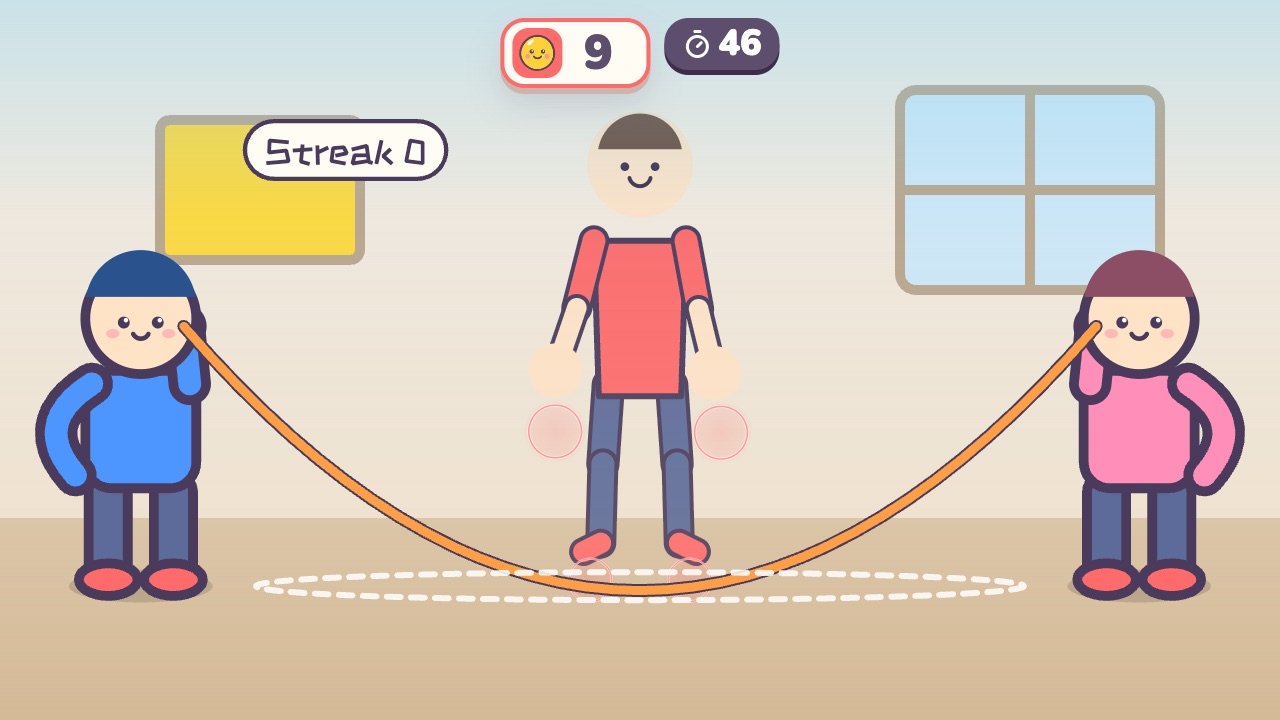 Jump Rope ChampJump when the rope sweeps under your feet. The longer your streak, the faster the ropeAges 6–14 · High activity · Run & jump / Fitness / Rhythm
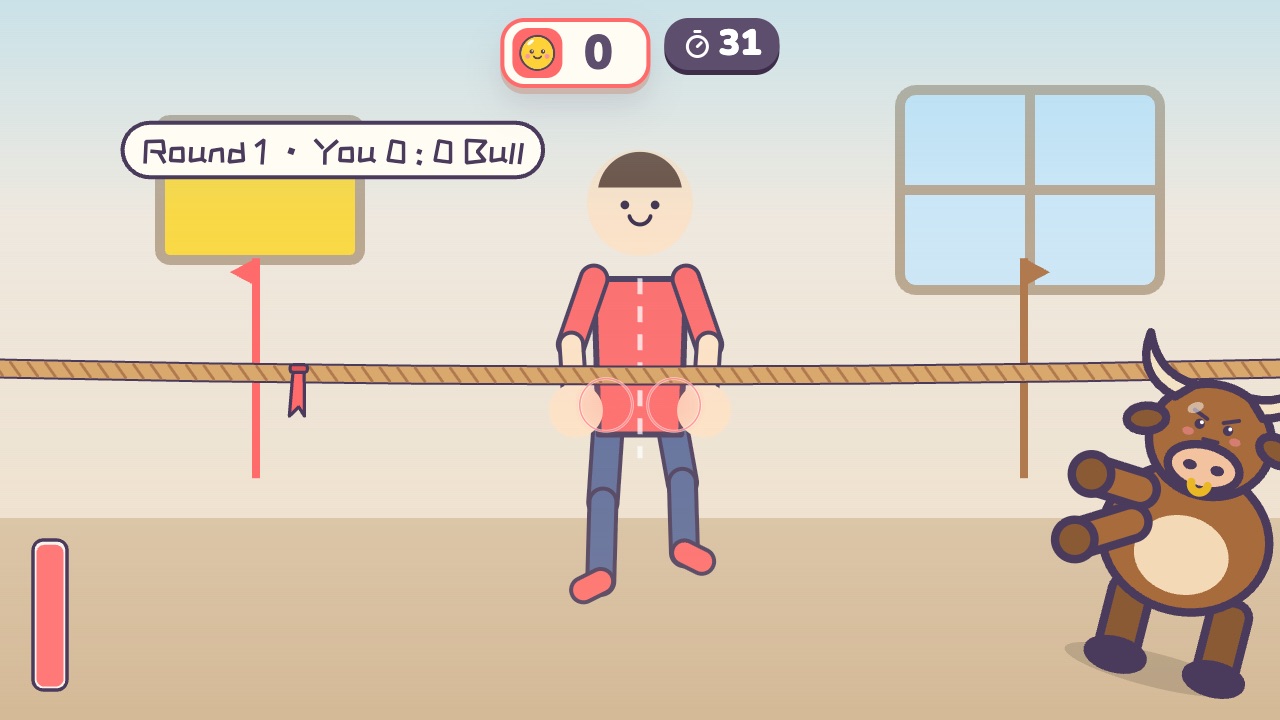 Tug of WarPull the rope back hard until the red flag crosses your lineAges 4–16 · High activity · Versus / Fitness / Hands
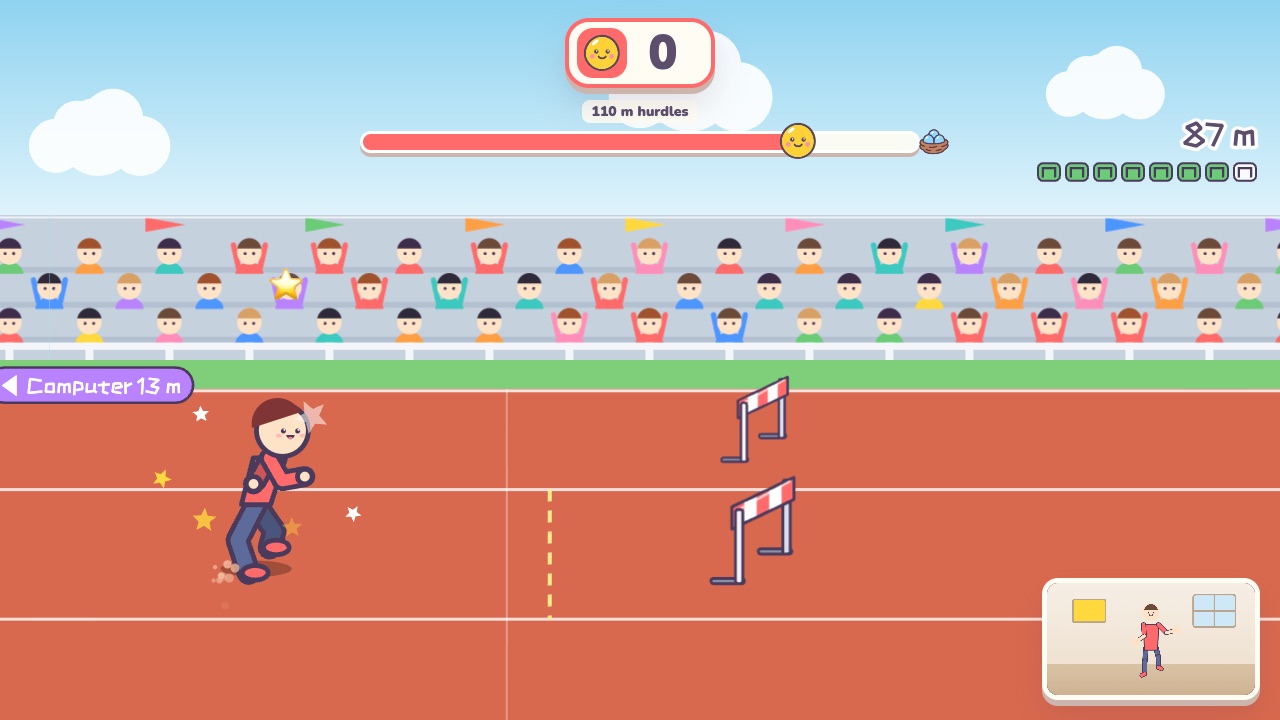 Hurdle RaceRun in place, and jump when a hurdle reaches your feetAges 8–18 · High activity · Run & jump / Fitness / Versus
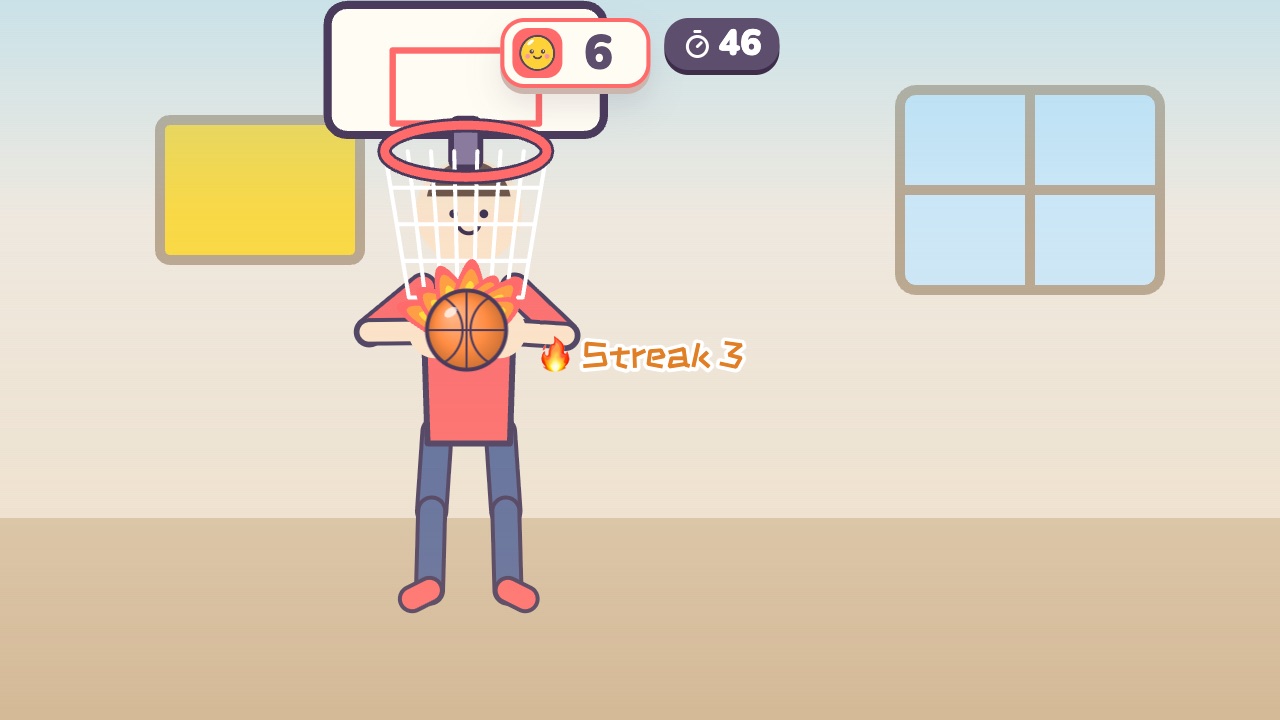 Hoop ShotsLift both hands over your head and shoot the ball into the hoopAges 5–16 · Moderate activity · Hands
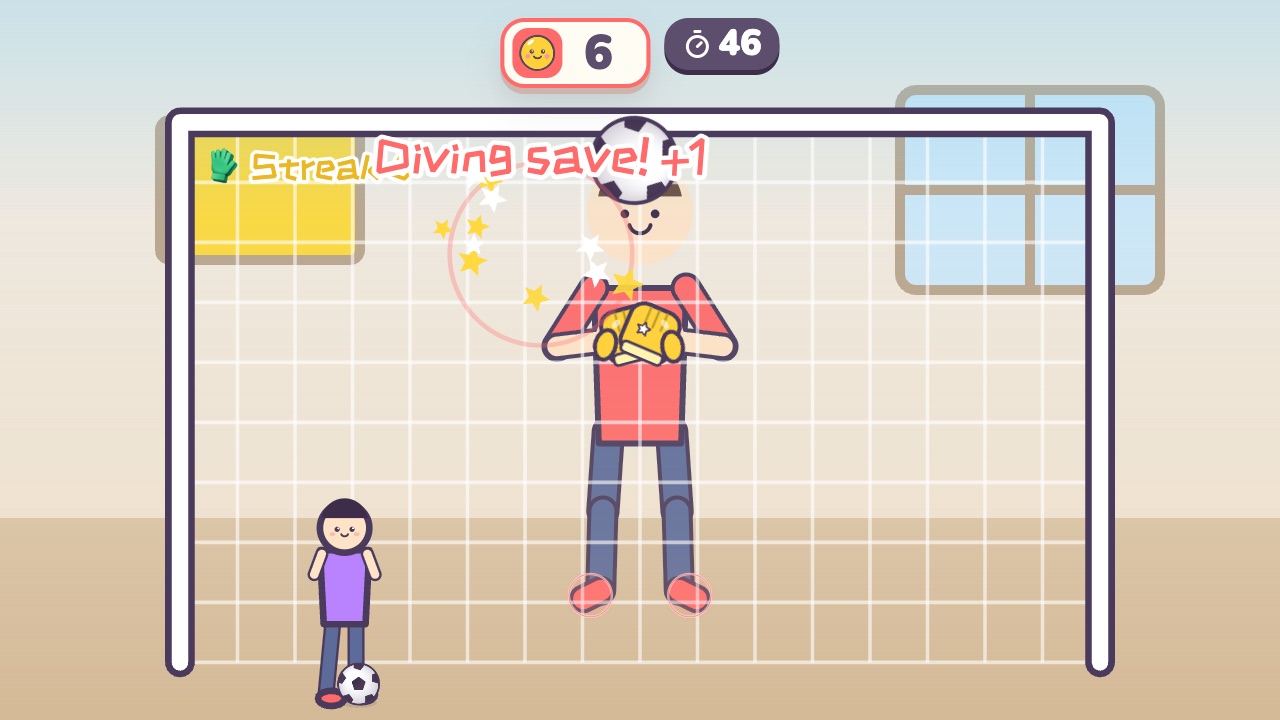 GoalkeeperUse your hands, feet and head to keep the shots out of the goalAges 9–16 · High activity · Whole body / Hands / Run & jump
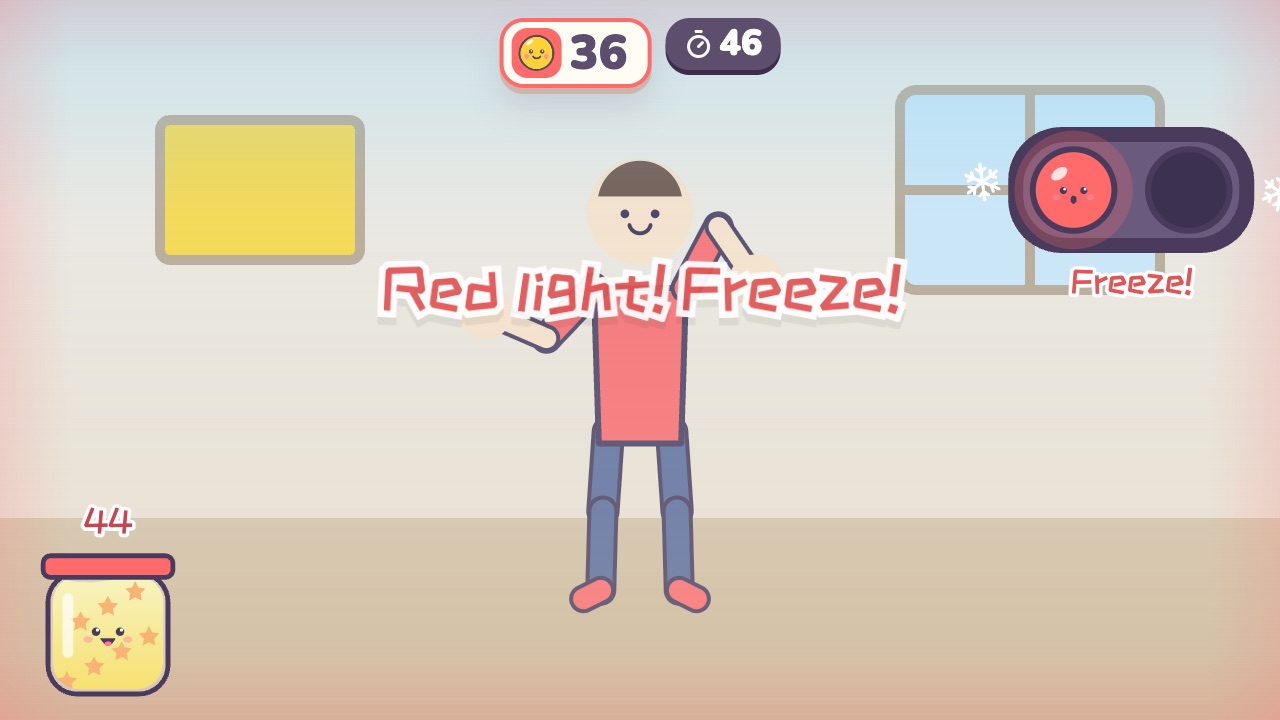 Red Light, Green LightGo wild on green, and freeze like a statue at red lightAges 3–10 · High activity · Whole body
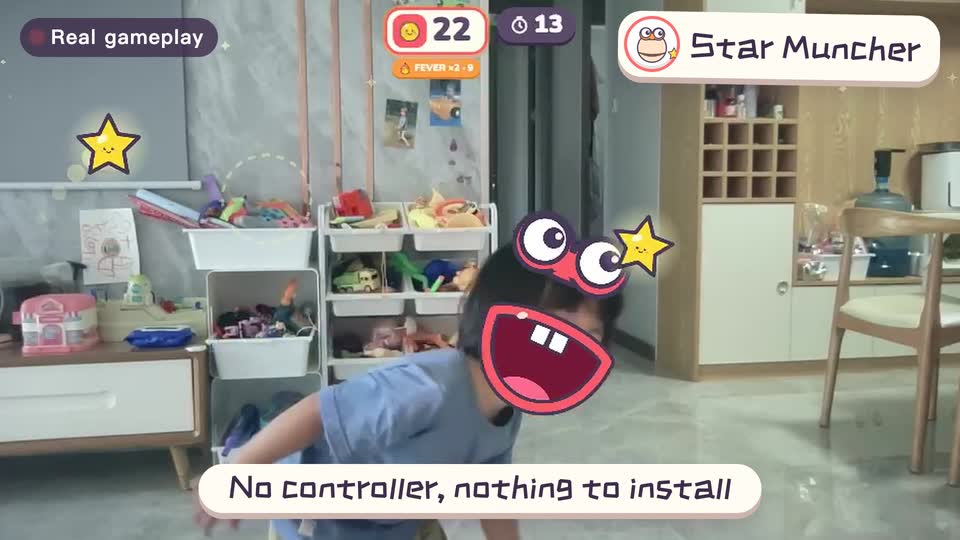
Real footage · 14 s
Kids stand in front of the computer and just move
100+ motion games for ages 3 to 18. Open the website and play: nothing to install, and the camera picture stays on this computer.
Sources
- Dodgeball Is Not an Appropriate Physical Education Activity. SHAPE America. Position statement, 2017
- Physical Activity Should Not Be Used as Punishment and/or Behavior Management. SHAPE America. Position statement, 2021
- Top 10 Things to Know About the Second Edition of the Physical Activity Guidelines for Americans. Office of Disease Prevention and Health Promotion
- Youth Risk Behavior Surveillance System: Physical Activity. Centers for Disease Control and Prevention. 2025 survey results
Keep reading
- Indoor recess games: a 20-minute rainy-day plan
- Brain breaks: 5-minute movement games for any grade
- Brain breaks for middle and high school: movement teens won’t call babyish
- Brain breaks for kindergarten and preschool: short, silly and mostly screen-free
- Smartboard games that get the whole class moving, not just one kid at the board
- Homeschool PE made simple: a weekly plan, a fitness log and indoor games for bad-weather days