 DongDong Park
Focus games for kids: 8 games that train attention on the move
Updated
Focus doesn’t have to mean sitting still. Plenty of games that take real concentration are games you play on your feet: listen to the command before you move, wait for the right moment before you act, remember where something was before you reach for it. For kids who find it hard to sit still, this is often an easier way in than “sit down, stop wiggling, look at the book.”
Three kinds of focus, and a game for each
Listen first, then move (impulse control)
- Simon Says (ages 4–10): only do the move when the command starts with “Simon says.” Otherwise, don’t move a muscle.
- Do the Opposite (ages 4–10): when the call is “arms up,” you squat down. The brain has to flip the instruction before the body moves.
- Red Light, Green Light (ages 3–10): move as much as you can on green light, then freeze the instant you hear “red light.” One wiggle and you’re caught.
Wait for the right moment (locking onto a target)
- Archery (ages 8 and up): one arm is the bow, the other pulls the string. Hold steady before you let go, because a shaky hand sends the arrow wide.
- Quick Draw (ages 8 and up): the first to raise a hand when the signal comes wins, but moving too soon loses on the spot. It takes speed and patience at the same time.
Remember and control (working memory, fine control)
- Memory Match (ages 5–14): flip two cards at a time to find matching pairs, remembering where the earlier cards were.
- Tilt Maze (ages 9 and up): lean slowly to tilt the maze board. Rush it and the ball drops into a hole.
- Block Tower (ages 6–12): make a fist to grab a block, carry it to the top of the tower and open your hand to drop it. The higher the tower, the steadier you need to be.
How to get the most out of them
- About a minute per round, three or four rounds at a time. Short rounds with a clear goal make it easier for kids to stay locked in.
- Start on Easy. Let your kid win first, then raise the difficulty. A game a kid keeps losing is a game they soon stop wanting to play.
- Talk about it afterward. For older kids, the results screen shows stats such as accuracy and reaction time. Ask, “Which one did you jump on too early?” or “How will you remember it next time?”
- Compare with yesterday. The results screen puts this round next to last time’s. Beating your own score keeps kids going longer than beating someone else’s.
- Mix in screen-free games. Clapping games, the playground version of Red Light, Green Light, and freeze dance to music all practice focus too.
These are everyday games, not treatment. If attention problems are clearly getting in the way of your child’s learning or daily life, talk to your doctor or a qualified specialist.
More in this series: listening games and reaction and hand-eye coordination games.
Games mentioned here
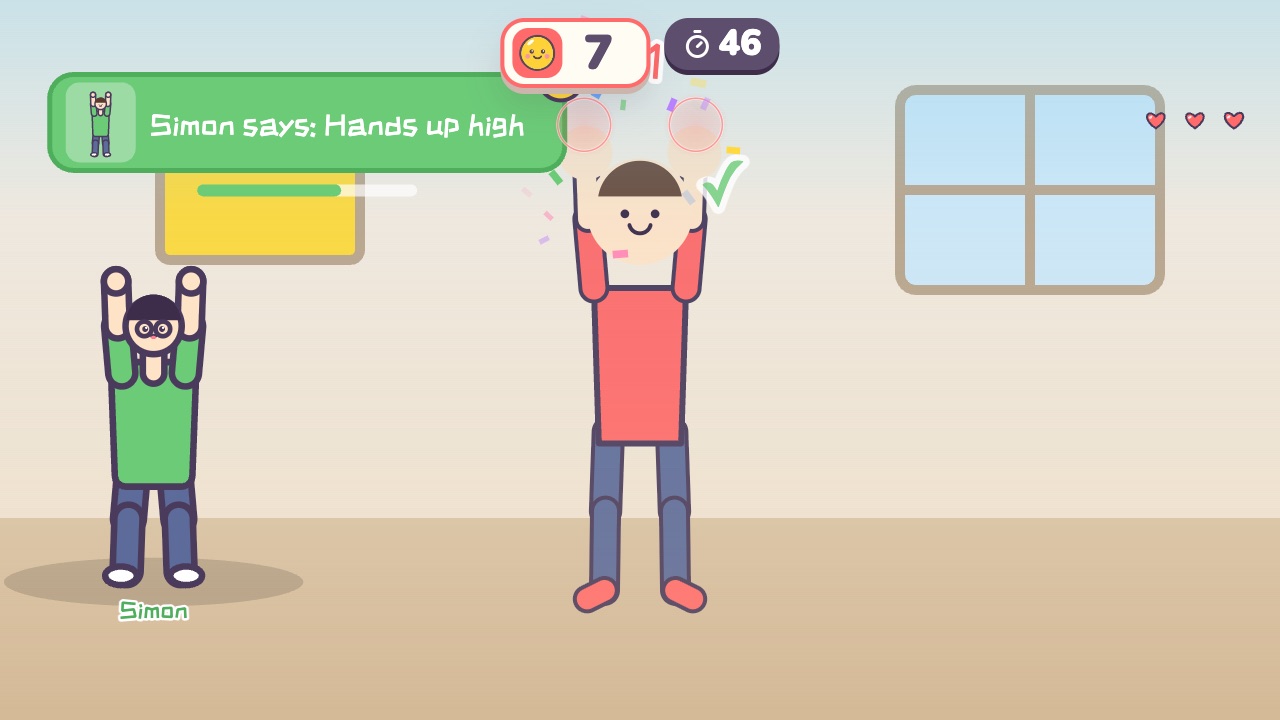 Simon SaysOnly move when Simon says soAges 4–10 · Moderate activity · Whole body / Thinking
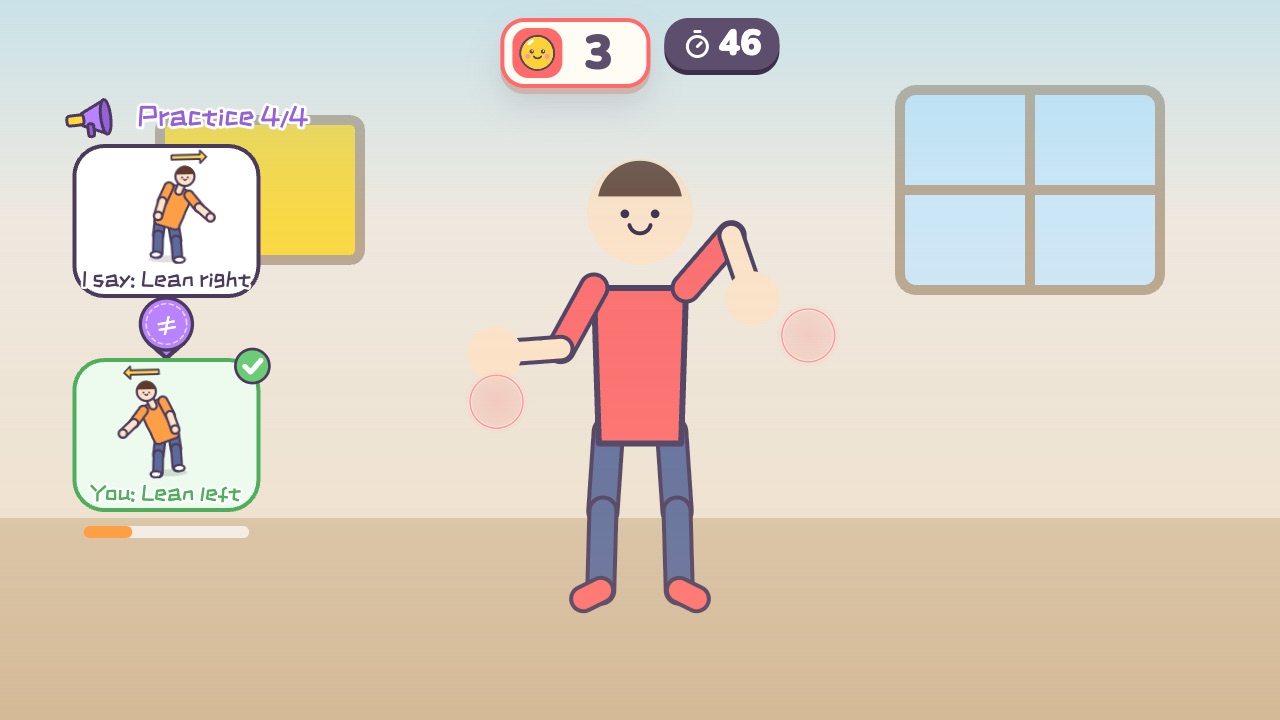 Do the OppositeI say arms up, you squat down. Only the opposite move countsAges 4–10 · Moderate activity · Whole body / Thinking
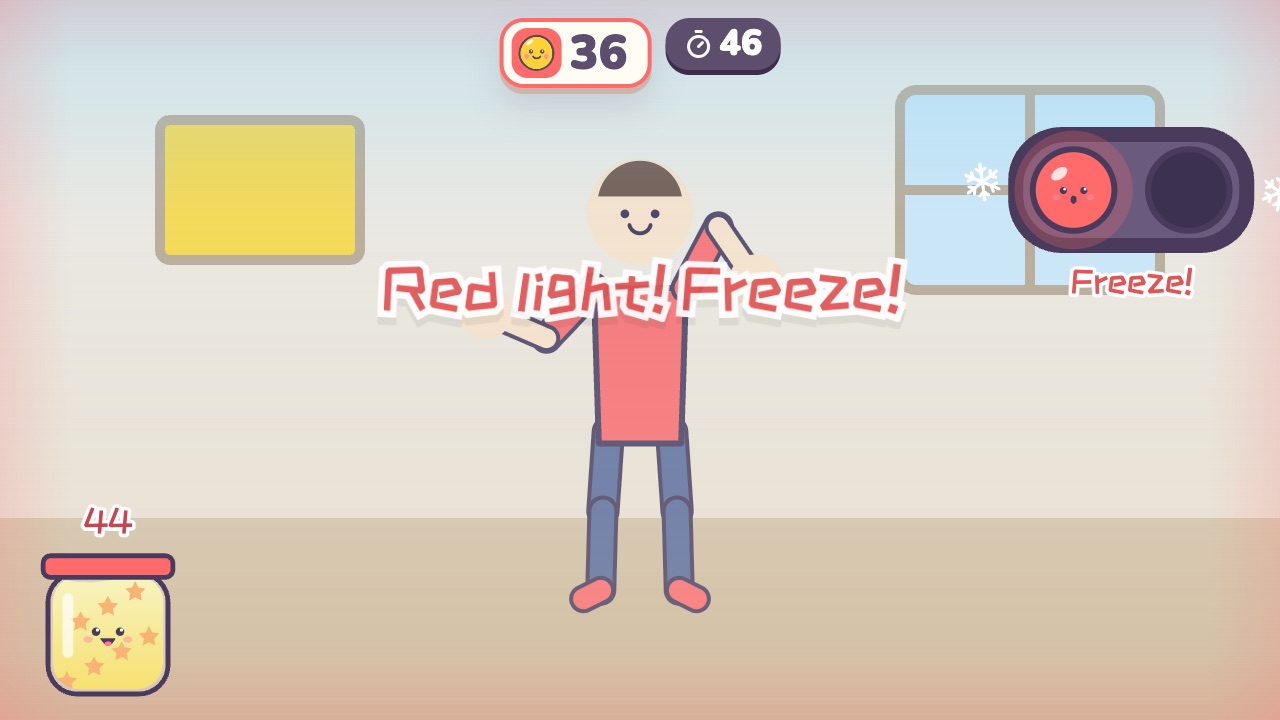 Red Light, Green LightMove like crazy on green light, and freeze the moment you hear red lightAges 3–10 · High activity · Whole body
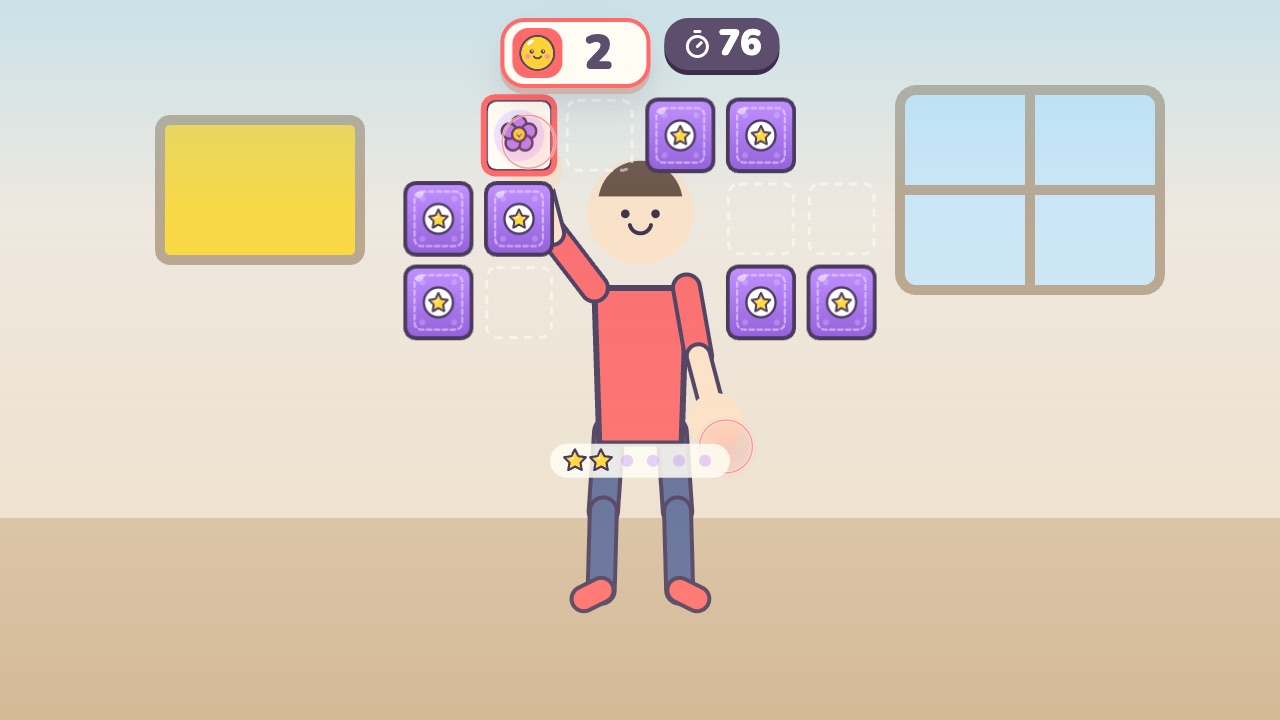 Memory MatchFlip two cards at a time and find the matching pairsAges 5–14 · Light activity · Thinking / Hands
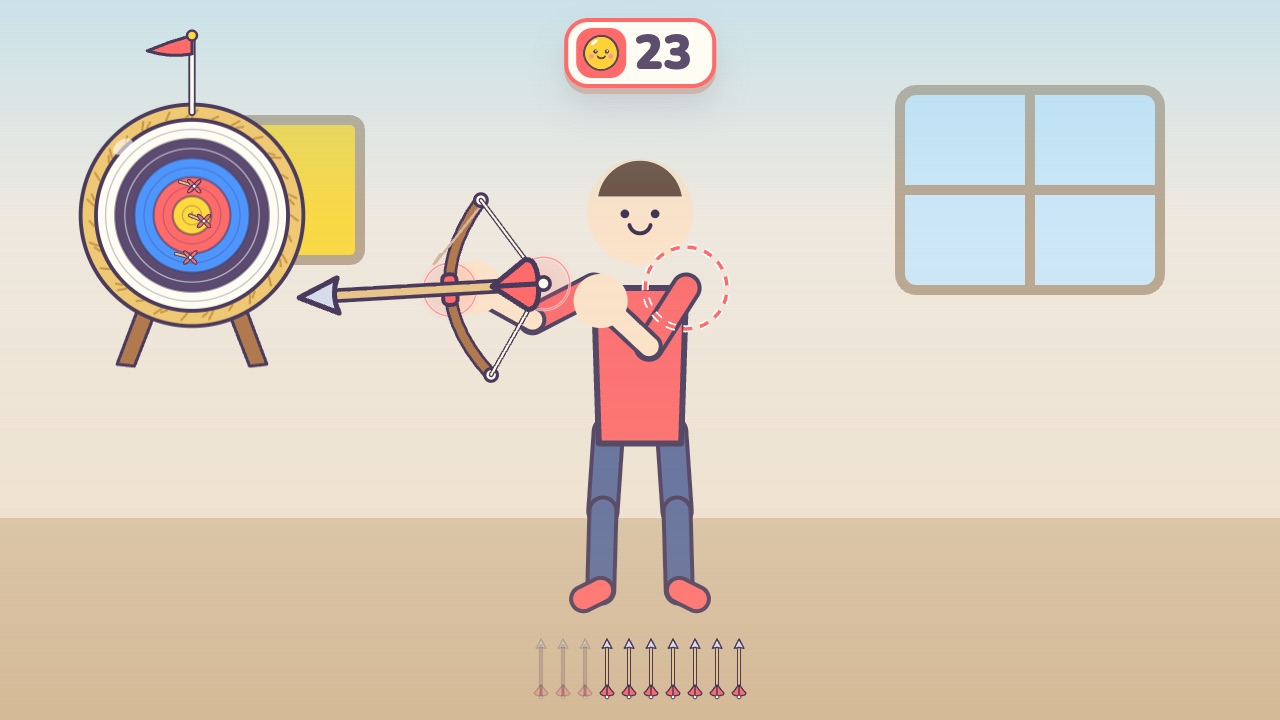 ArcheryOne arm is the bow, the other pulls the string. Hold steady, then let it flyAges 8–18 · Light activity · Hands / Calm
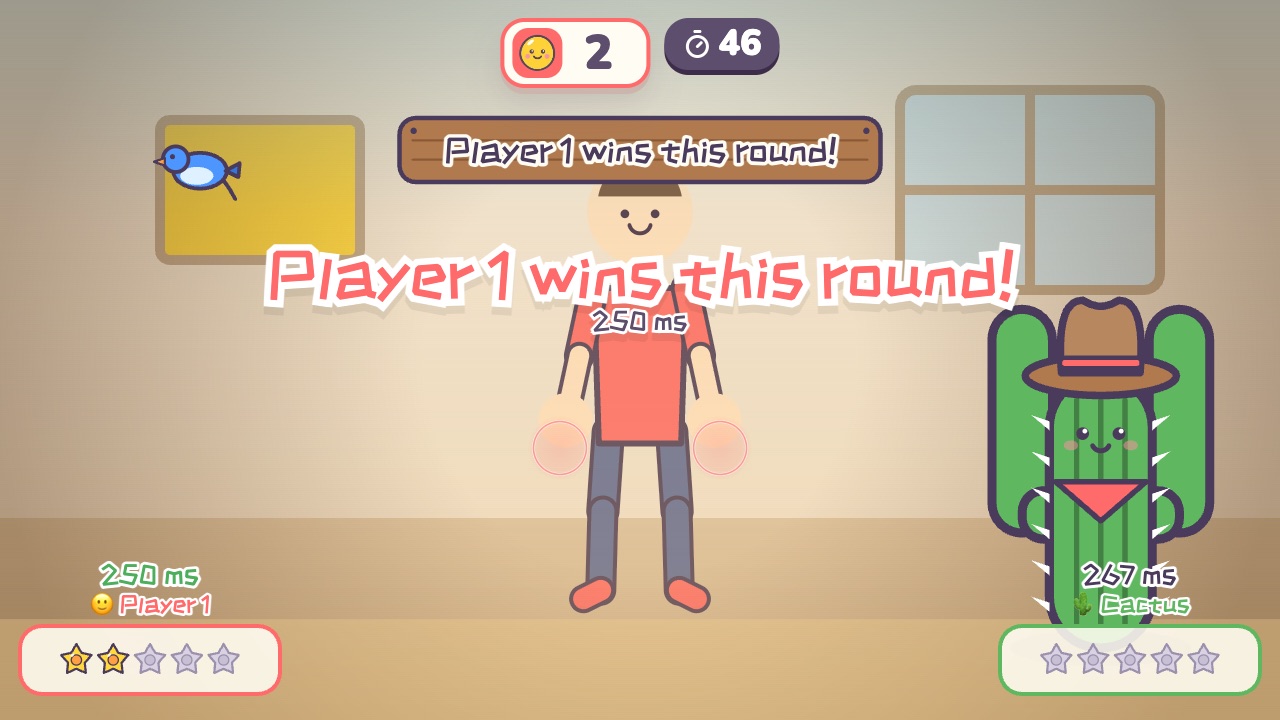 Quick DrawRaise your hand first when the signal comes, but move too soon and you loseAges 8–18 · Light activity · Versus / Calm
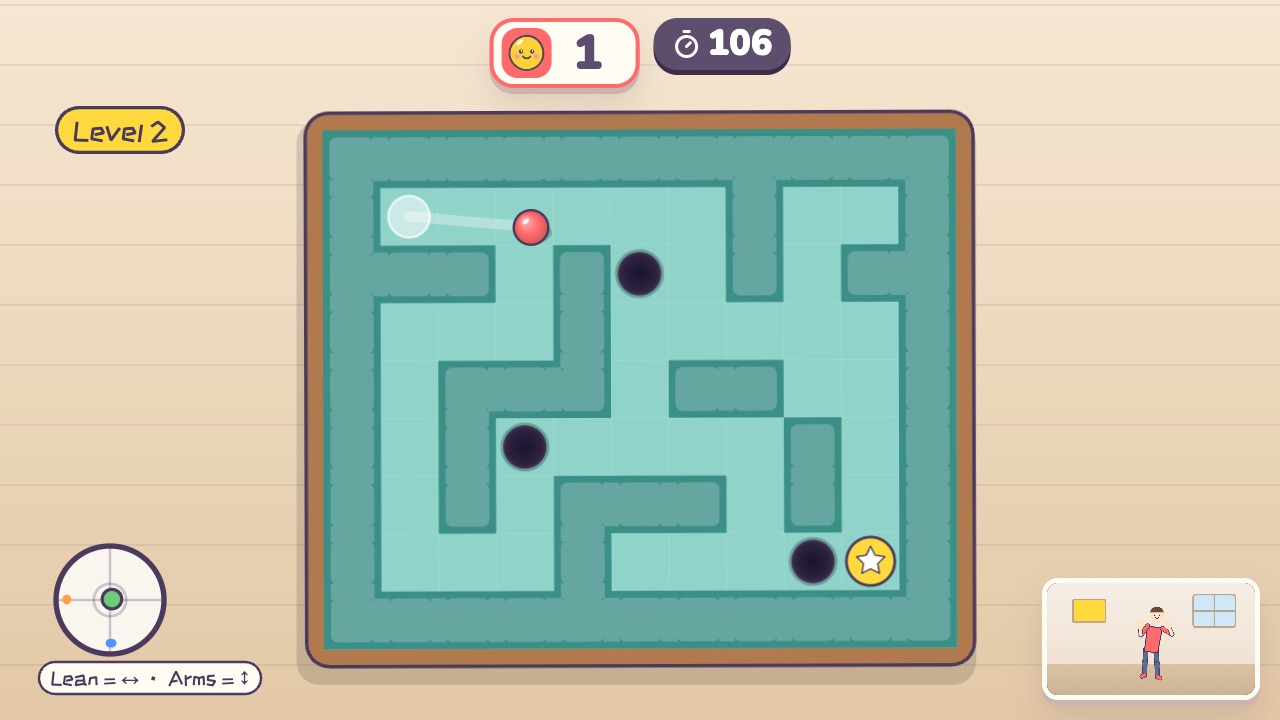 Tilt MazeLean your body to tilt the maze and roll the ball to the finishAges 9–18 · Light activity · Whole body / Thinking / Calm
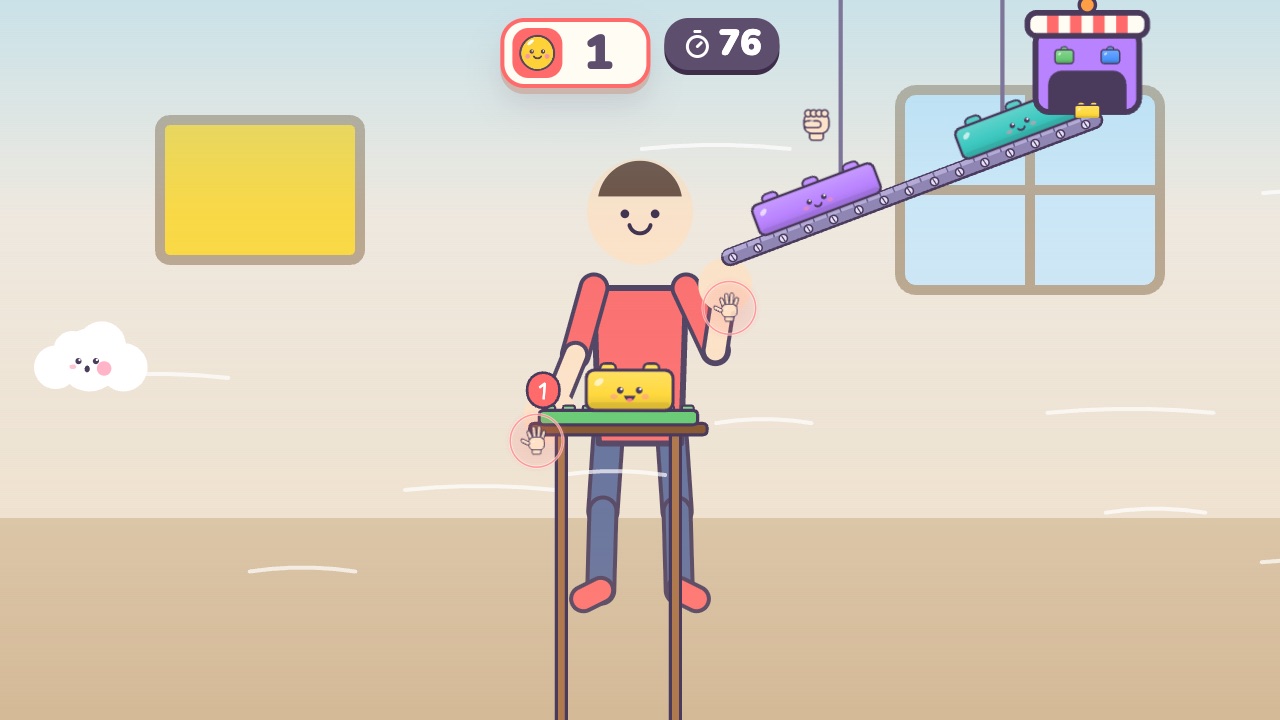 Block TowerMake a fist to grab a block, carry it to the top of the tower and open your handAges 6–12 · Light activity · Hands / Calm
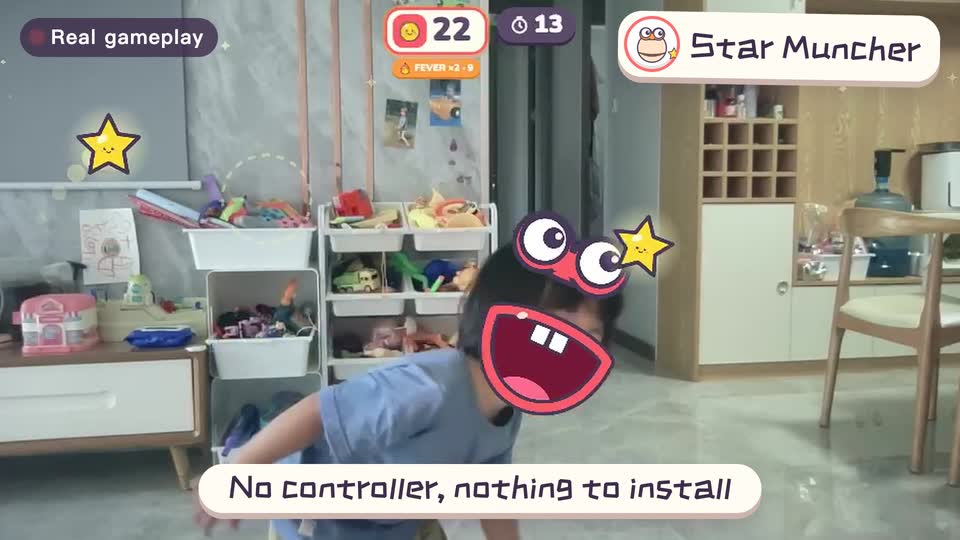
Real footage · 14 s
Kids stand in front of the computer and just move
100+ motion games for ages 3 to 18. Open the website and play: nothing to install, and the camera picture stays on this computer.
Keep reading
- How much should kids move each day? What the WHO says, and how to fit it in at home
- Screen time isn’t always sitting time: using screens to get kids moving
- When kids don’t like exercise: 6 ways to turn “I have to” into “I want to”
- Exercise and height: what actually helps kids grow (ages 6–14)
- Kids bouncing off the walls? A quiet 20-minute plan to burn off energy at home (ages 3–10)
- Winter exercise for kids: staying active when it’s too cold to go out