 DongDong Park
Reaction time and hand-eye coordination games: 9 picks by age
Updated
Reaction speed is how fast a kid gets through the chain “see it, decide, move.” Hand-eye coordination is whether the spot the eyes see and the spot the hand reaches actually line up. Both can be practiced through play, and motion games turn them into numbers you can see: a reaction time in milliseconds, or how many out of ten you hit.
Ages 3–6: reach for what you see
- Balloon Keep-Up (ages 3–8): a balloon floats slowly down, and you reach up to tap it back into the air. It practices raising the arms and following a moving thing with the eyes.
- Mole Bop (ages 3–9): moles pop up on both sides of you, and you bop them, but not the ones in hard hats. Now kids have to tell them apart, too.
- Gift Catch (ages 3–7): move side to side and catch the gifts falling from the sky.
Ages 6–12: fast and accurate
- Fruit Slash (ages 6–14): swing your hand to slice the flying fruit, and stay away from the bombs. Fast, but you have to look first.
- Air Ping-Pong (ages 9 and up): move your hand up and down to move the paddle and hit the ball back. Kids learn to read where the ball is going.
- Tennis Rally (ages 6–15): whichever side the ball comes to, swing across with that hand to send it back.
- Goalkeeper (ages 9–16): hands, feet and head all count. Keep the shots out of the goal.
Ages 10 and up: race the clock
- Reaction Lights (ages 10 and up): hit whichever light turns green as fast as you can, and never touch a red one. Some lights are high and some are low, so the whole body moves. The results screen shows average and fastest reaction time and accuracy.
- Quick Draw (ages 8 and up): raise your hand first when the signal comes, but move too soon and you lose. The results screen shows your reaction times.
A few tips
- Tired kids react slower. Three or four rounds at a time is plenty.
- Accuracy first, then speed. If a kid is missing a lot, drop the difficulty one level.
- Comparing reaction times is great fun with two players, parent against kid or friend against friend. Two-player mode works on one camera.
- Ball games, tag and hopscotch practice exactly the same skills. When the weather is good, go outside and play.
Building the whole picture? See coordination games by age and focus games.
Games mentioned here
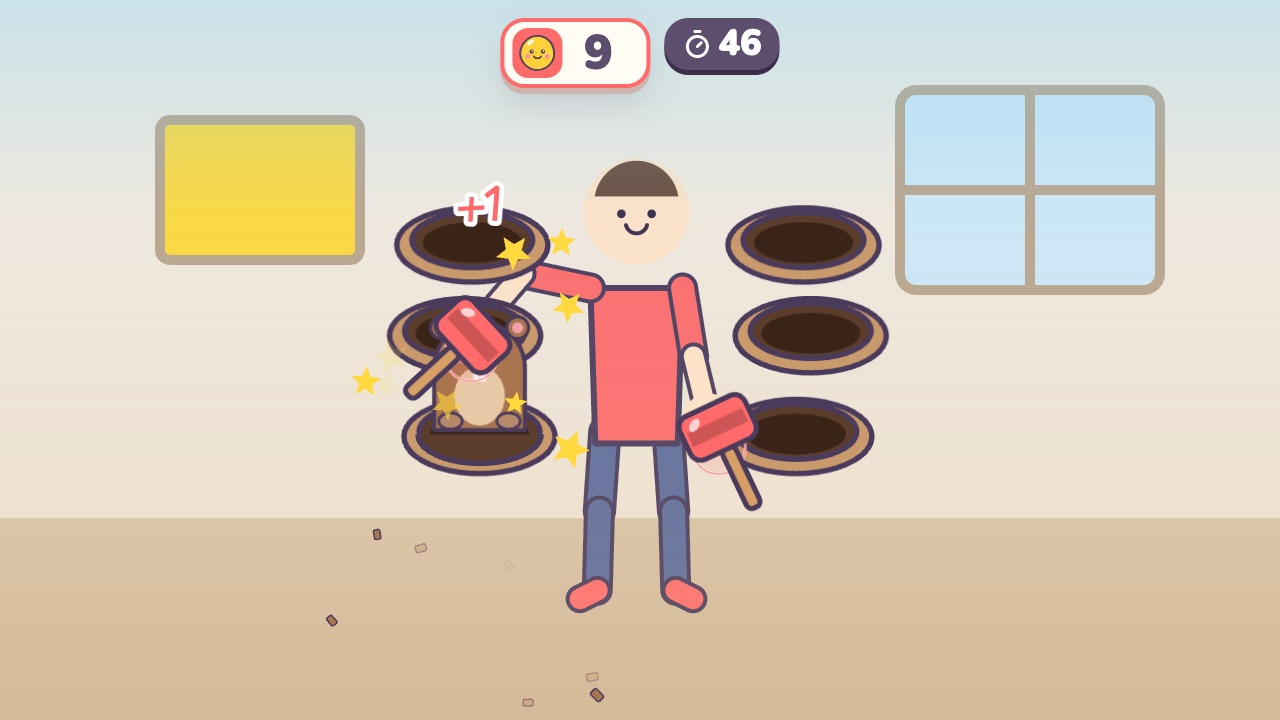 Mole BopBop the moles that pop up beside you, but not the ones in hard hatsAges 3–9 · Moderate activity · Hands
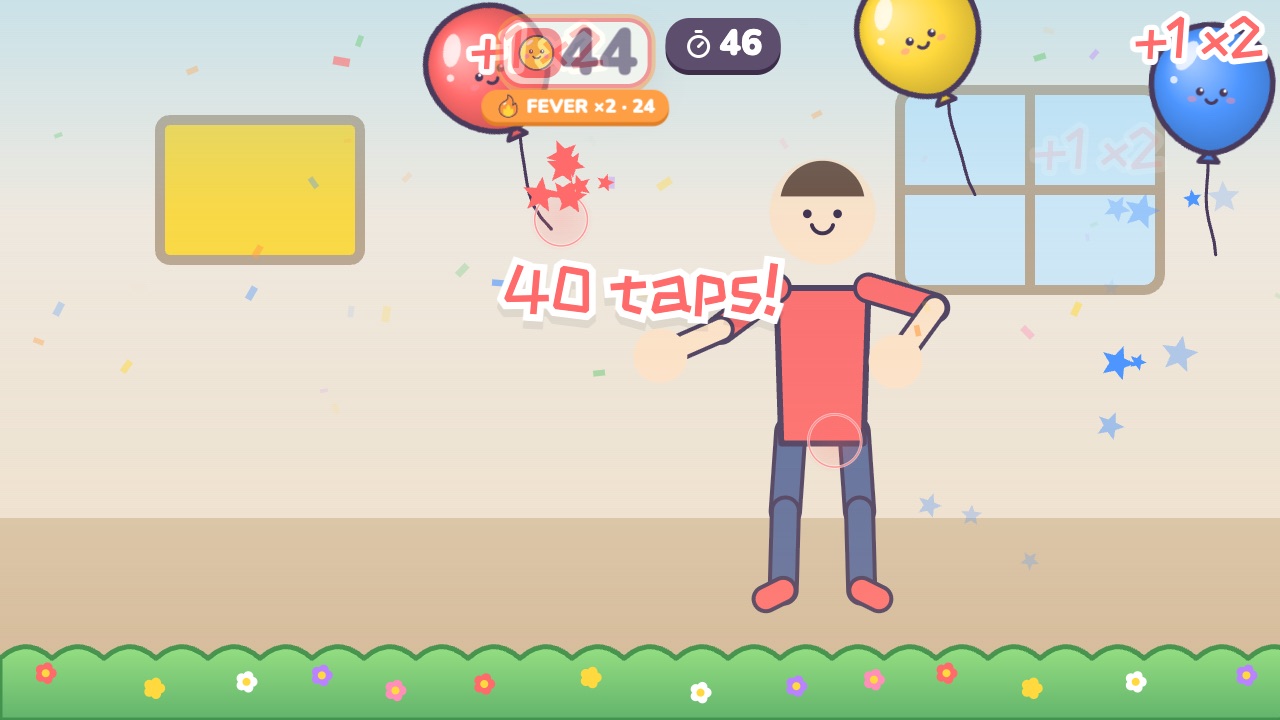 Balloon Keep-UpTap the balloon back up and keep it off the groundAges 3–8 · Moderate activity · Hands / Whole body
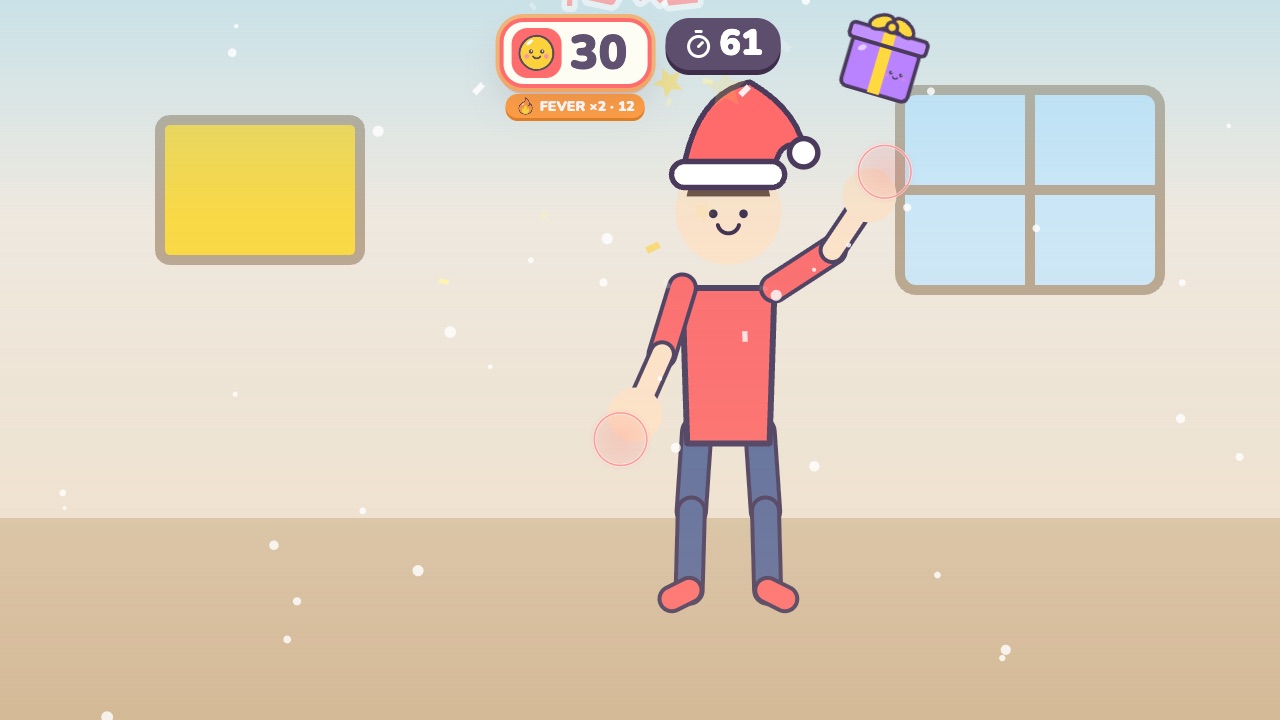 Gift CatchPut on a Santa hat and catch the falling giftsAges 3–7 · Moderate activity · Hands
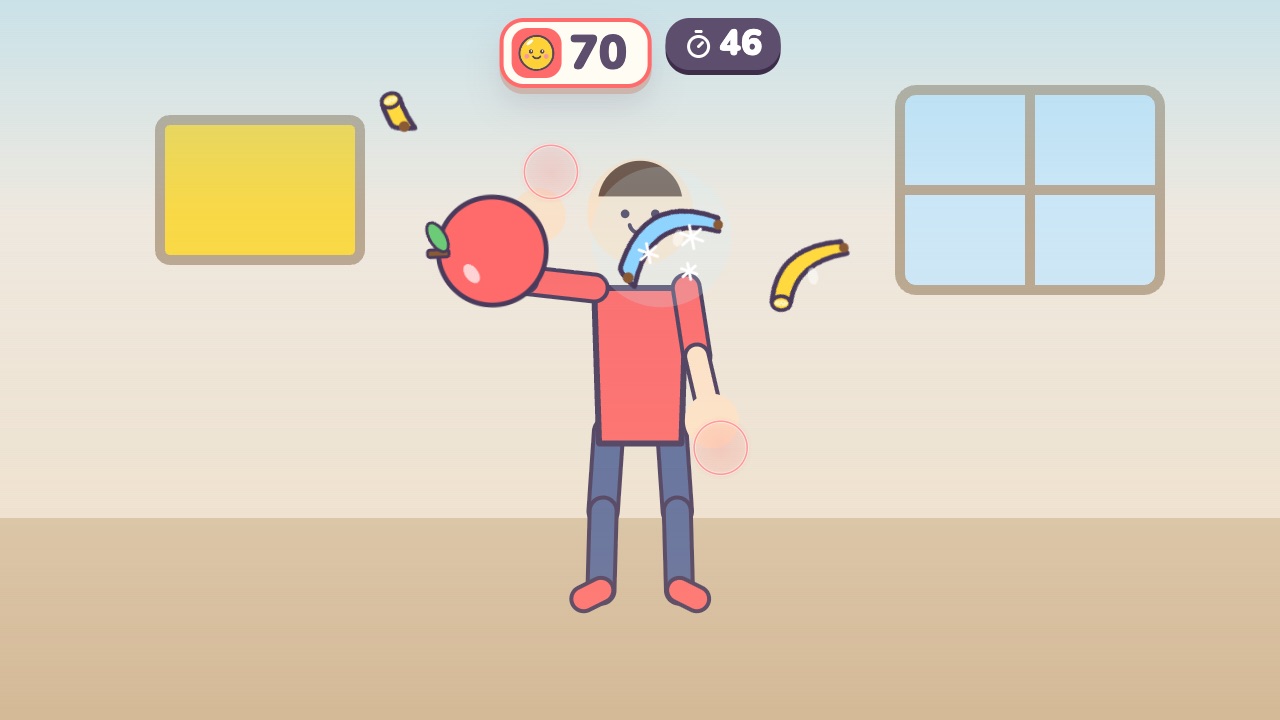 Fruit SlashSwing your hand to slice the flying fruit, and stay away from the bombsAges 6–14 · Moderate activity · Hands
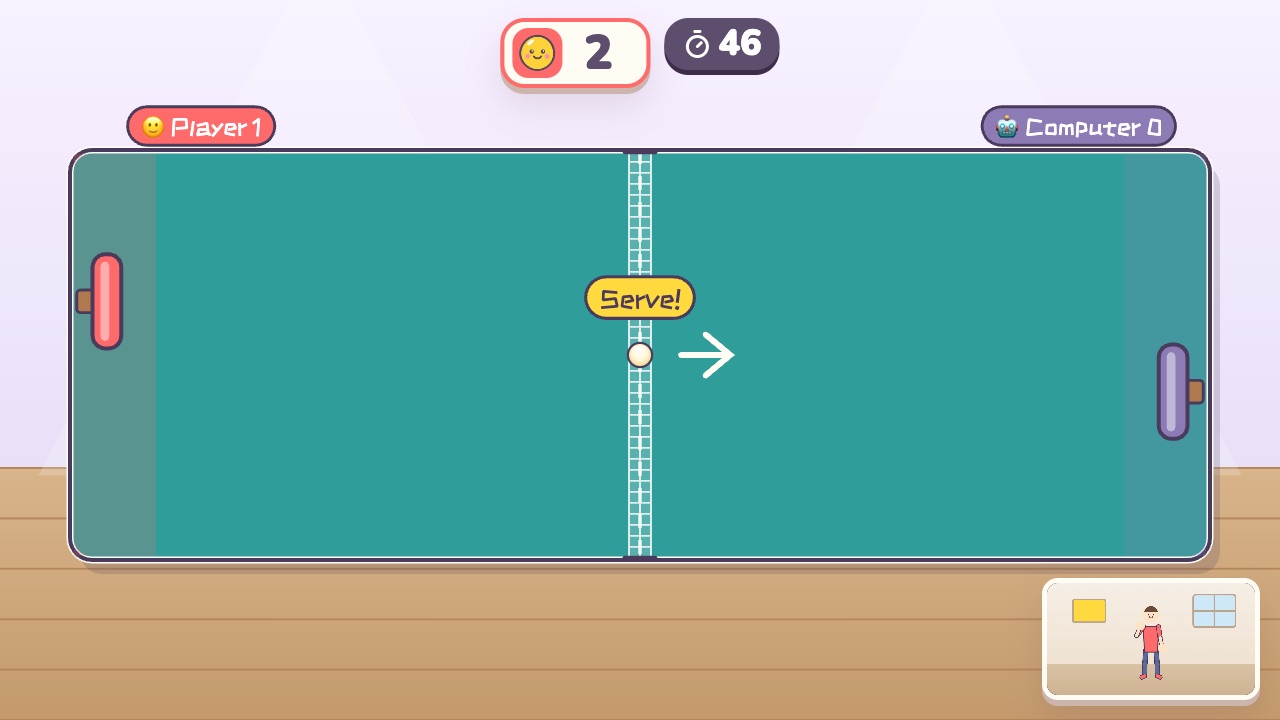 Air Ping-PongMove your hand up and down to move your paddle and hit the ball backAges 9–18 · Moderate activity · Versus / Hands
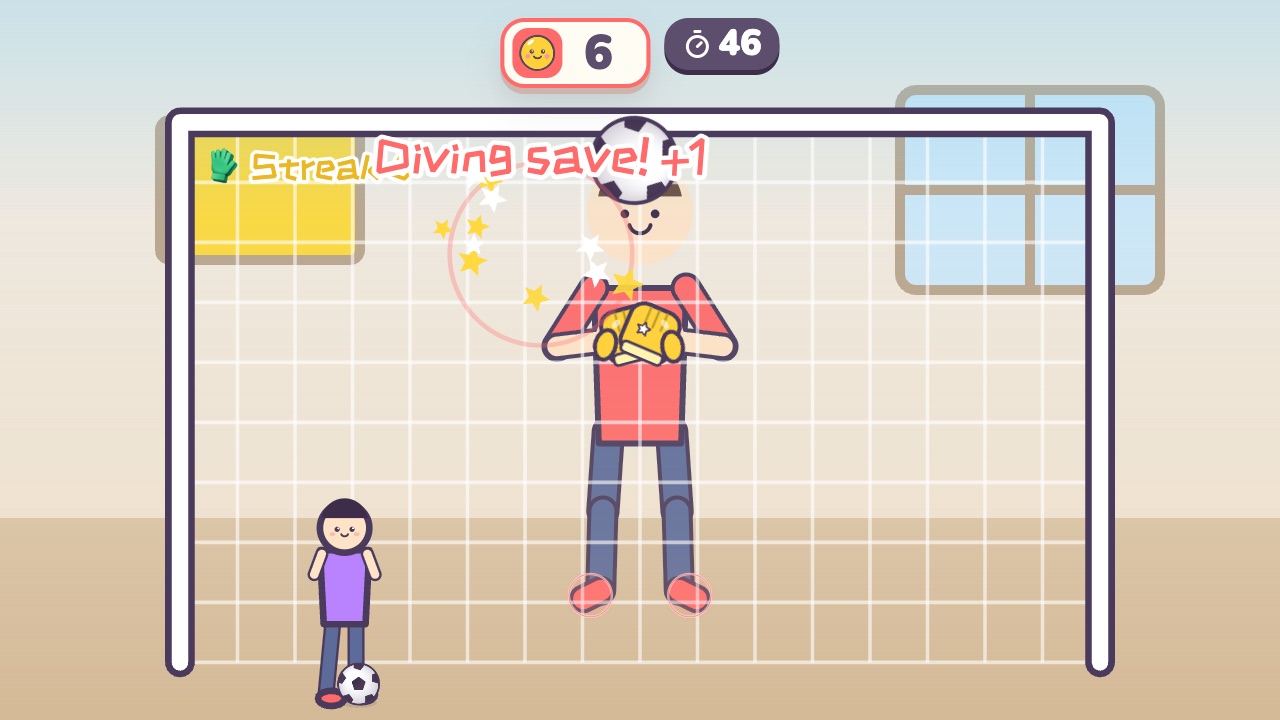 GoalkeeperUse your hands, feet and head to keep the shots out of the goalAges 9–16 · High activity · Whole body / Hands / Run & jump
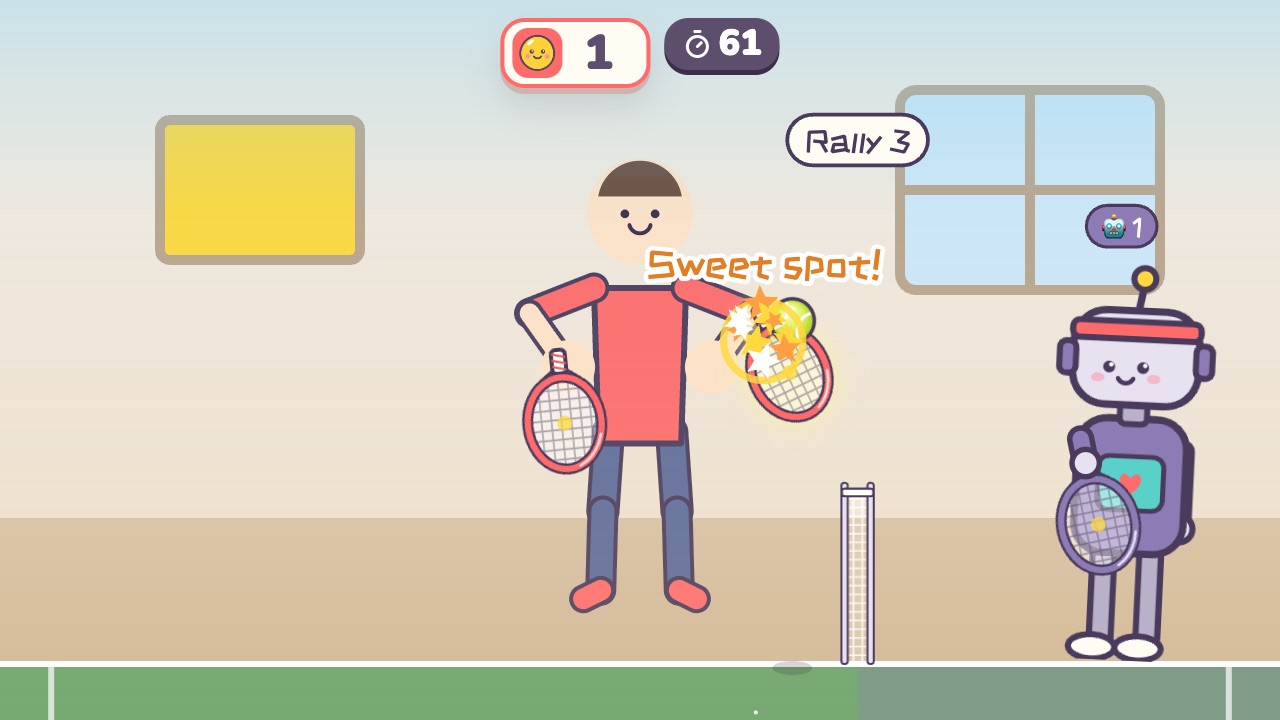 Tennis RallySwing across with the hand on the side where the ball comesAges 6–15 · Moderate activity · Hands / Versus
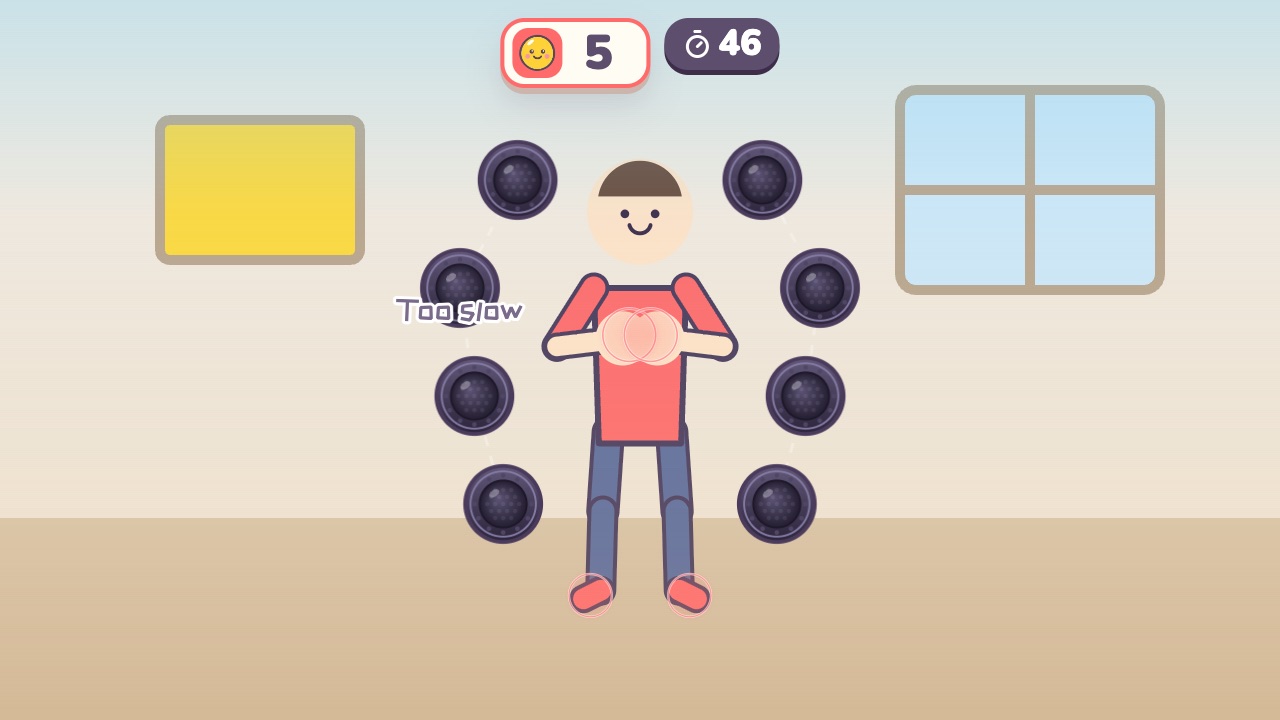 Reaction LightsHit whichever light turns green as fast as you can, and never touch a red oneAges 10–18 · High activity · Fitness / Whole body / Thinking
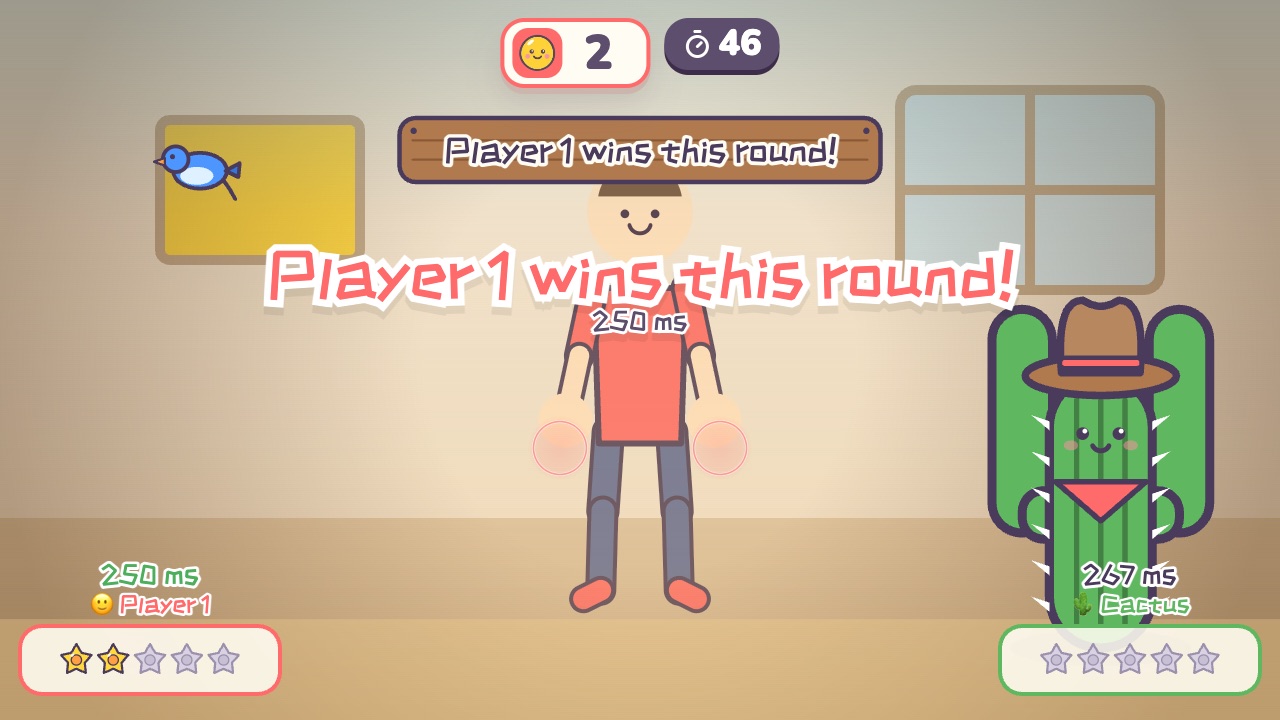 Quick DrawRaise your hand first when the signal comes, but move too soon and you loseAges 8–18 · Light activity · Versus / Calm
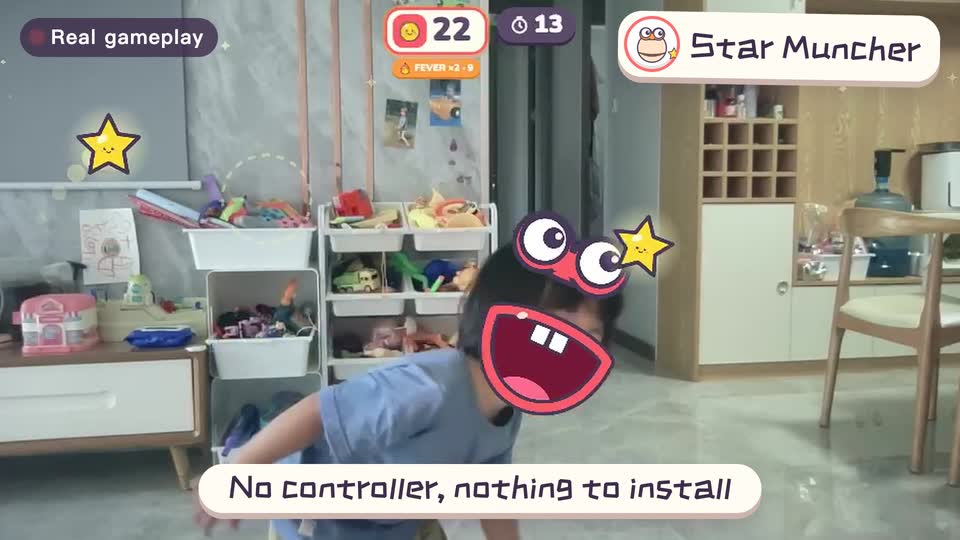
Real footage · 14 s
Kids stand in front of the computer and just move
100+ motion games for ages 3 to 18. Open the website and play: nothing to install, and the camera picture stays on this computer.
Keep reading
- How much should kids move each day? What the WHO says, and how to fit it in at home
- Screen time isn’t always sitting time: using screens to get kids moving
- When kids don’t like exercise: 6 ways to turn “I have to” into “I want to”
- Exercise and height: what actually helps kids grow (ages 6–14)
- Kids bouncing off the walls? A quiet 20-minute plan to burn off energy at home (ages 3–10)
- Winter exercise for kids: staying active when it’s too cold to go out