 DongDong Park
Unclear speech, weak mouth muscles? Blowing games to play at home (ages 3–7)
Updated
Lots of 3- and 4-year-olds mumble or can’t say a few sounds yet, and most of them grow out of it on their own. What you can do at home is turn blowing into a game: blowing out candles, blowing up a balloon, blowing dandelion seeds, 3 to 5 minutes at a time. It practices breath control and the strength of the lips and cheeks, one of the building blocks of speech. One thing first: if it’s your child’s speech you’re worried about, start with an evaluation by a speech professional. These games are everyday practice, not treatment.
What blowing has to do with talking
- Talking takes breath. To say a long sentence you breathe in enough air and let it out evenly. How loud you can be and how much you can say in one breath both come down to breath control.
- The lips, cheeks and tongue need strength. Pursing the lips, puffing out the cheeks and closing the lips use the same muscles as many speech sounds.
- Blowing puts the two together: puffed cheeks, rounded lips, and control over how long and how hard the air comes out.
Four ways to blow
- Long and short: one slow breath all the way out, then a quick “puff”, back and forth.
- Soft and hard: blow gently on a tissue so it moves but doesn’t fly away, then blow hard to push a ping-pong ball across the table.
- Hold, then blow: close the lips, puff out the cheeks, hold it for a moment, then let the air go.
- Round lips: pucker the lips into a small circle and blow through the middle. This mouth shape helps with several sounds.
Blowing bubbles into a cup of water through a straw, blowing a feather, a whistle or a bubble wand: the old ways work just as well.
Blowing games that use the microphone
These games listen through the computer’s microphone. Kids blow at it and the screen reacts right away, which keeps them going far longer than blowing at a tissue:
- Blow Out the Candles (ages 3–7): puff up your cheeks and blow hard at the microphone to blow out the candles on the cake. Naughty candles even light themselves again. Practices blowing hard and keeping at it.
- Blow Up a Balloon (ages 3–8): blow the balloon up puff by puff, and stop when it turns from green to yellow, or it pops. Practices blowing and stopping: control, not force.
- Blow the Dandelion (ages 3–8): a long blow sends the seed far and a soft, short puff lands it close by, and the seed has to land in the glowing flowerpot. Practices long and short, soft and hard.
- Whisper and Shout (ages 3–8): be very quiet while the kitty sleeps, and shout when the wolf comes. It only counts when your voice stays in the green “just right” zone. That is volume control for the voice, a good partner for blowing.
- Calm Breathing (ages 10 and up): breathe in as the circle grows, hold, and breathe out slowly and evenly as it shrinks. Older kids practice breathing rhythm, and it helps them calm down too.
A 3- to 5-minute session
- Warm up: pucker, puff out the cheeks and grin, three times each. It’s more fun in front of a mirror.
- One round of Blow Out the Candles or Blow the Dandelion.
- Away from the screen: blow bubbles through a straw or blow a tissue for a minute.
- Finish with a round of Whisper and Shout.
Once a day is enough. Blowing can make kids lightheaded: if your child says they feel dizzy or their face goes red, stop and sit down to rest, and keep it shorter next time.
Common misunderstandings
- “More blowing will make their speech clear.” Not necessarily. Unclear speech has many causes: sometimes hearing, sometimes where the tongue goes, sometimes just age. Blowing practices the basics; it isn’t a fix for any particular problem.
- “The harder, the better.” The opposite: control matters more than strength. Blowing softly, blowing long and stopping on cue are the skills that help with talking.
- “Practice half an hour a day.” Far too much. The small muscles of the mouth tire quickly. Three to five minutes once a day, kept up for a few months, does more than a week of cramming.
- “Have them repeat tongue twisters.” From about age 5 or 6 they can be a fun game, but 3- and 4-year-olds can’t keep up and just get frustrated. Start with blowing.
How to see progress
No need to measure anything. Watch three things: how many candles they can blow out in one breath compared with last week; whether they can stop the balloon right as it turns yellow; and whether the sentences they can say in one breath are getting longer. Scores are kept after every round, so look back every couple of weeks.
A few reminders
- Keep about a fist’s width between the mouth and the microphone. Don’t blow right on it, and try not to spray it.
- When the browser asks to use the microphone, choose Allow. The first time, run the device check.
- Don’t let your child hold their breath and strain to blow harder. A red face means it’s too much.
- Skip it when they have a cold, a stuffy nose or a cough.
These are everyday games, not speech therapy. If your child is over 3 and says clearly fewer words than other kids their age and even family members often can’t understand them, is over 4 and still gets many sounds wrong, or drools or has trouble chewing or swallowing, see your pediatrician or a speech-language pathologist first, and practice the way they recommend after the evaluation.
Games mentioned here
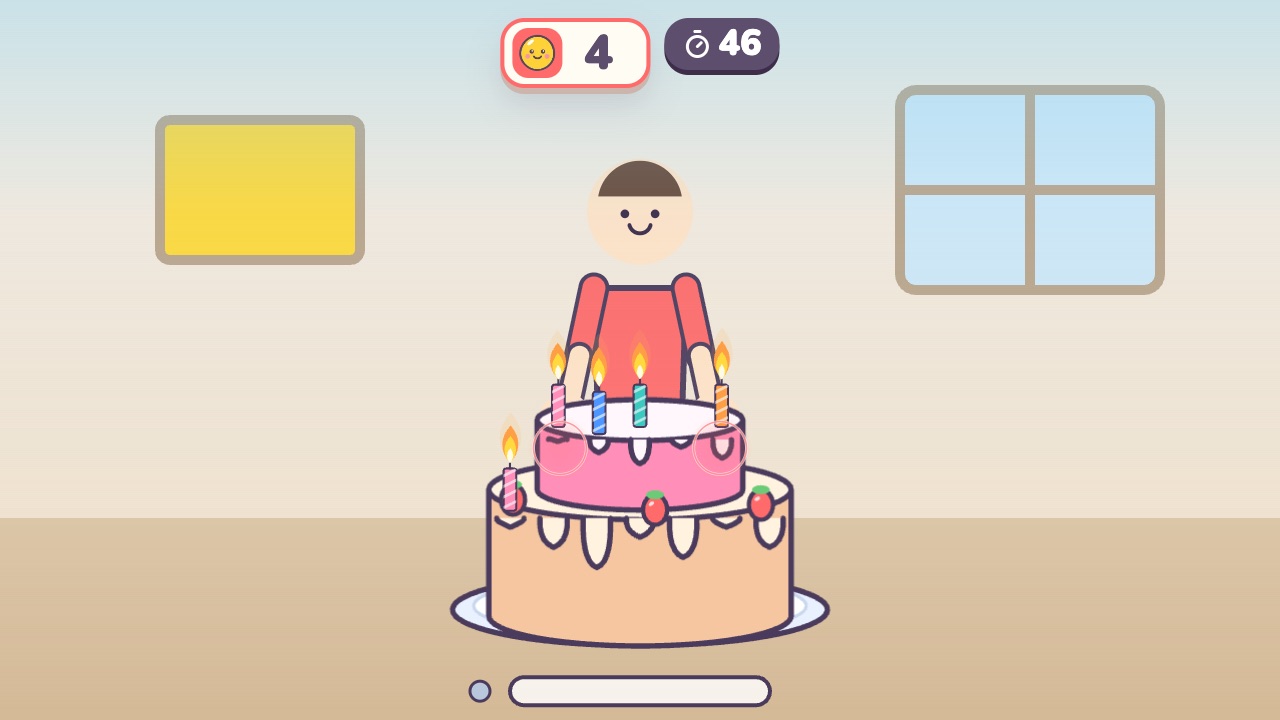 Blow Out the CandlesBlow into the microphone to put out the candles on the cakeAges 3–7 · Light activity · Calm
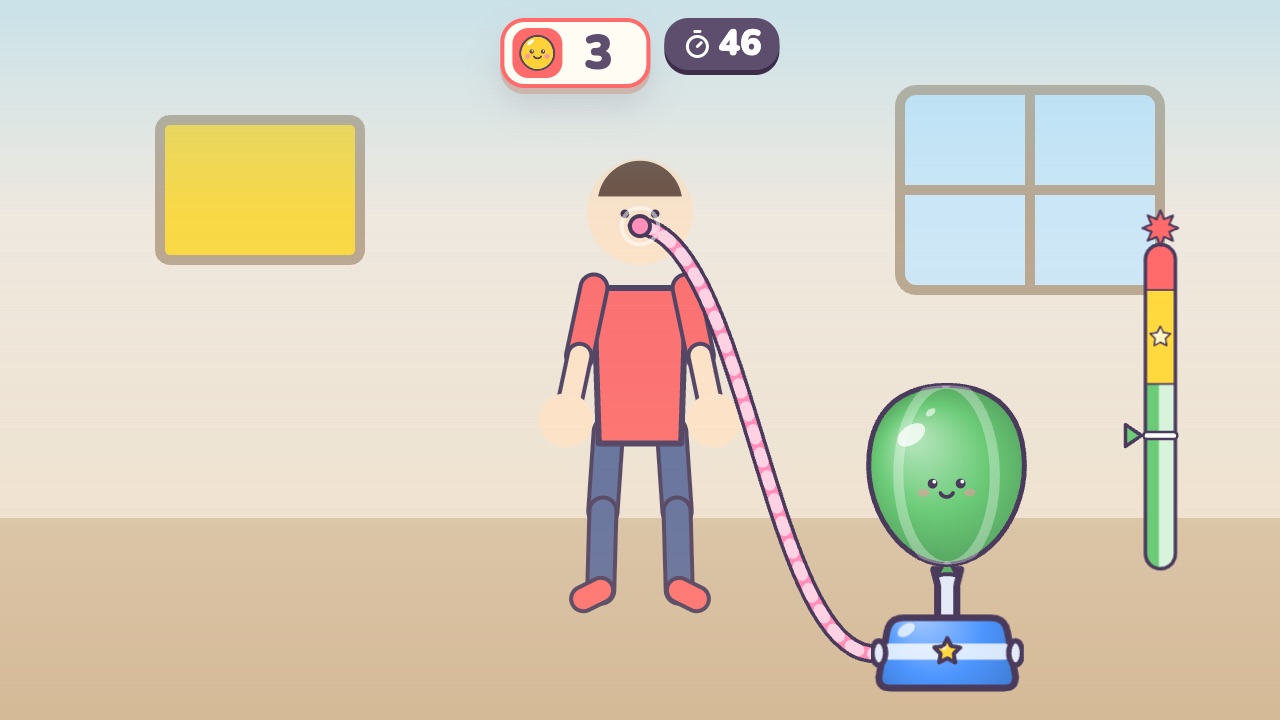 Blow Up a BalloonBlow up the balloon puff by puff, and stop before it turns redAges 3–8 · Light activity · Calm
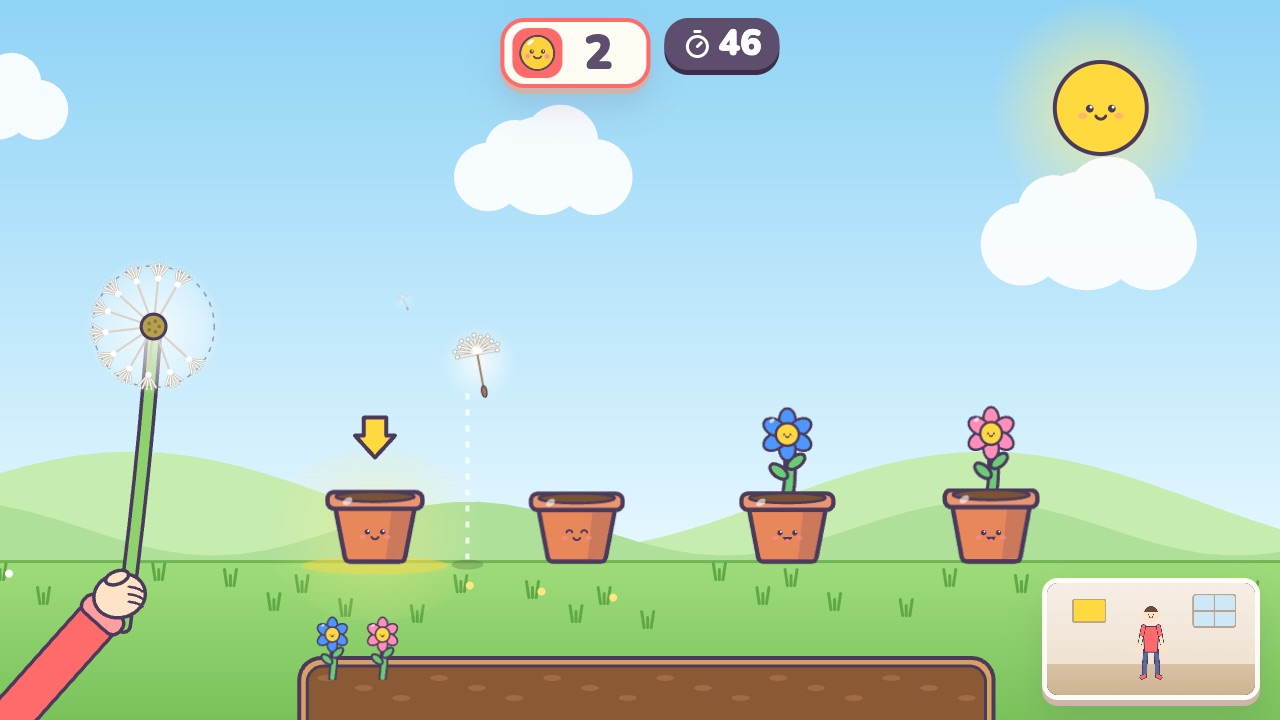 Blow the DandelionBlow the seeds into the flowerpots to make flowers bloomAges 3–8 · Light activity · Calm
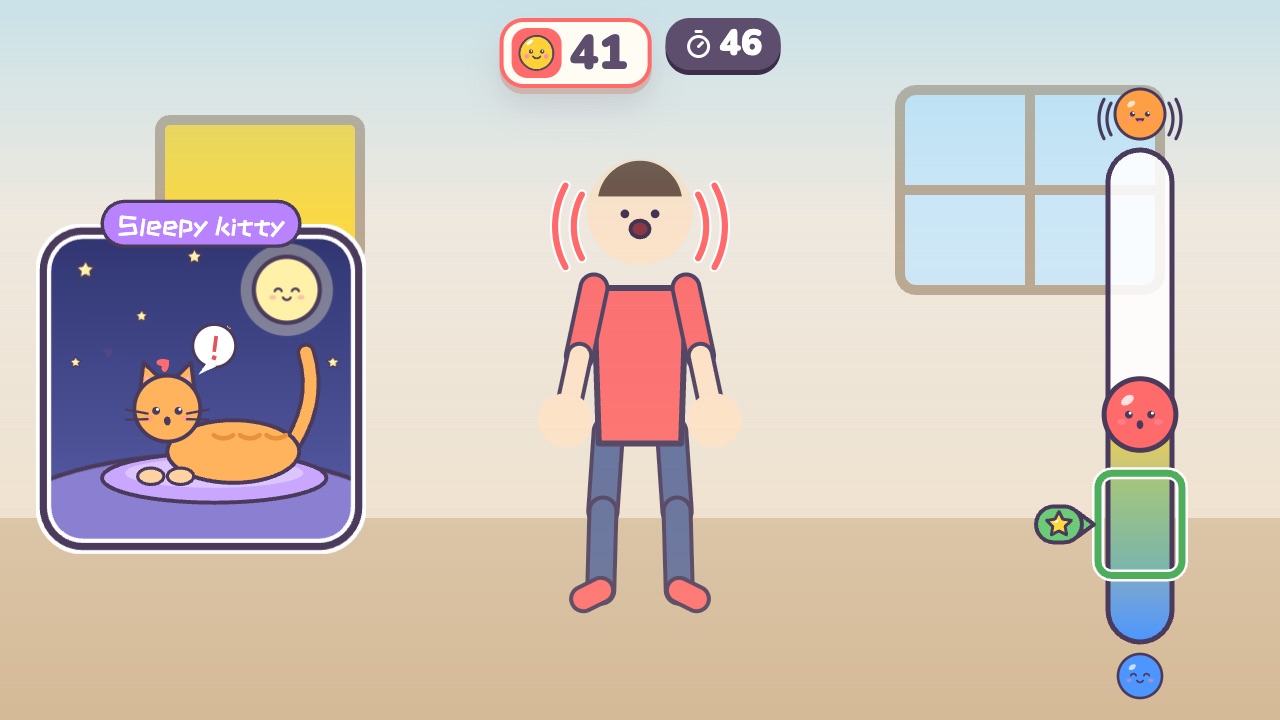 Whisper and ShoutSing softly for the sleeping kitty, and shout when the wolf comesAges 3–8 · Light activity · Calm / Thinking
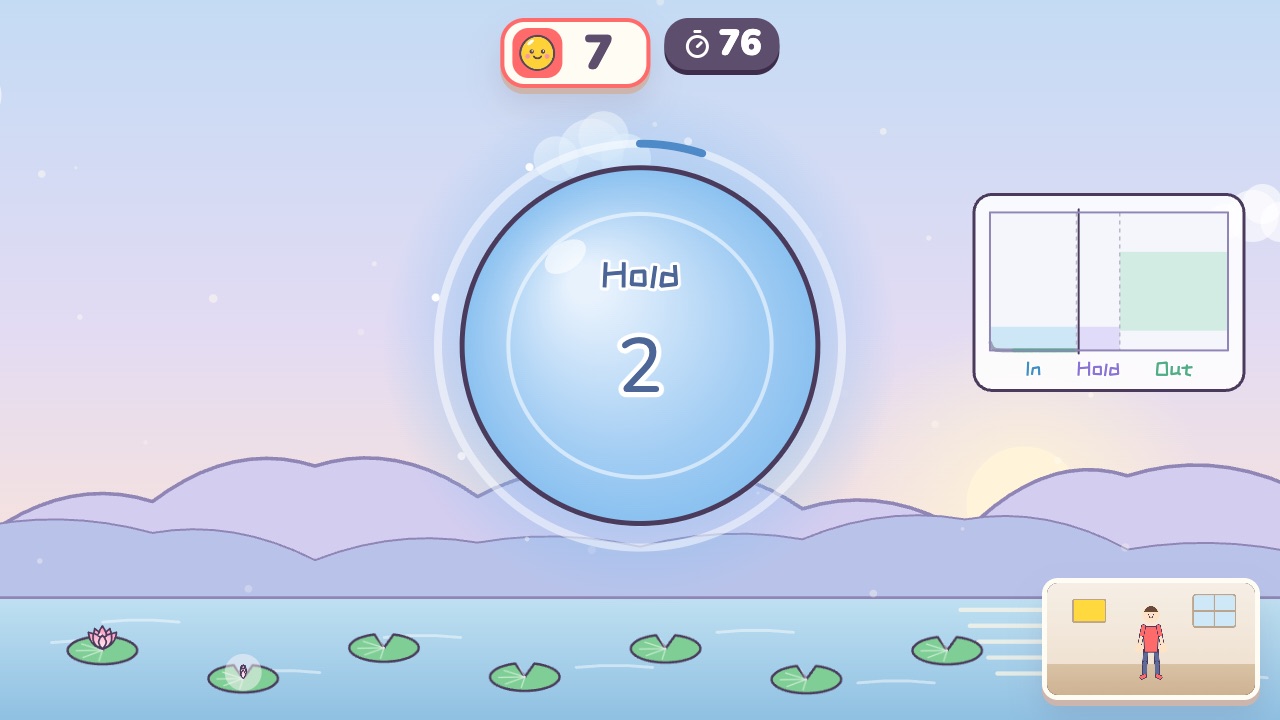 Calm BreathingBreathe in as the circle grows, and breathe out slowly at the microphone as it shrinksAges 10–18 · Light activity · Calm
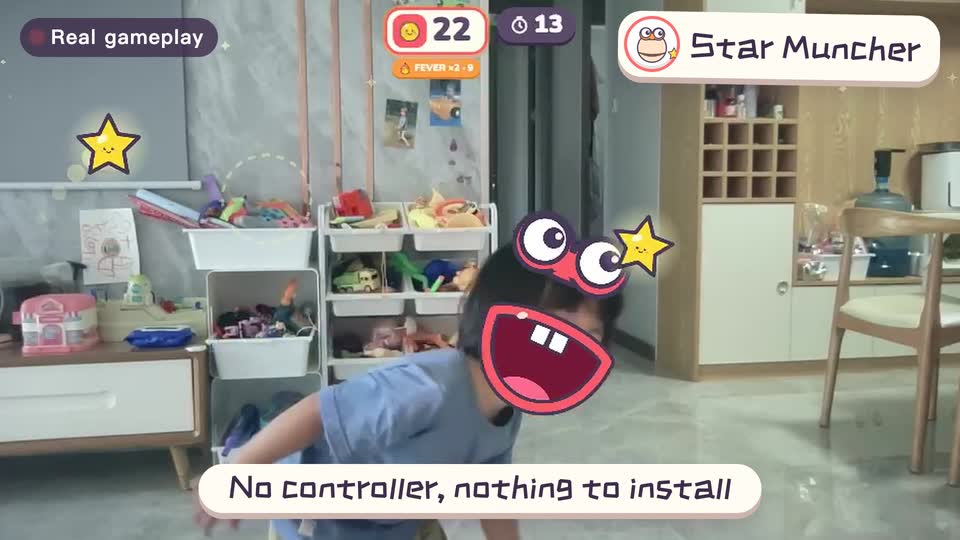
Real footage · 14 s
Kids stand in front of the computer and just move
100+ motion games for ages 3 to 18. Open the website and play: nothing to install, and the camera picture stays on this computer.
Keep reading
- How much should kids move each day? What the WHO says, and how to fit it in at home
- Screen time isn’t always sitting time: using screens to get kids moving
- When kids don’t like exercise: 6 ways to turn “I have to” into “I want to”
- Exercise and height: what actually helps kids grow (ages 6–14)
- Kids bouncing off the walls? A quiet 20-minute plan to burn off energy at home (ages 3–10)
- Winter exercise for kids: staying active when it’s too cold to go out