 DongDong Park
Motion games at recess and in PE: a teacher’s 10-minute plan
Updated
With DongDong Park, one computer, one big screen and a small patch of open floor can turn a break into movement time. The key is a simple routine, so kids get up to play fast.
A 10-minute break
- Before class, connect the computer to the projector, open the games page, and pick the age group and difficulty.
- Use Nonstop: each game runs about 45 seconds and moves on to the next by itself, so you don’t have to touch anything.
- Two kids play at a time (choose “Two players”) while the rest line up. When a round ends, press N for the next kid.
- In the last minute, open Today’s stars on the leaderboard (the trophy button on the games page) and praise whoever earned the most stars.
PE warm-up
Wake the body up with smaller moves first: Bubble Pop and Simon Says. Then use Red Light, Green Light, which uses the whole body, to practice reactions. Five to eight minutes is enough before the main lesson.
Rainy-day indoor PE
Split the class into a red team and a blue team and hold a team contest with Tug of War and Fruit Slash. Each team sends up a player in turn, and the team with the higher total wins. At the end you can export the scores as a spreadsheet and pick up the contest next lesson.
Keeping it orderly and fun
- Tape two standing spots on the floor. Players stand on the spots, and everyone waiting stays behind a line.
- Give each kid a nickname (a random one is fine, like “Rocket Panda”). Scores are saved under each nickname, and kids care a lot about their own stars.
- Make the Daily Challenge a fixed part of the week: one game a day, and the whole class goes for three stars.
Setup, turns and sample plans in more detail: the classroom guide.
Games mentioned here
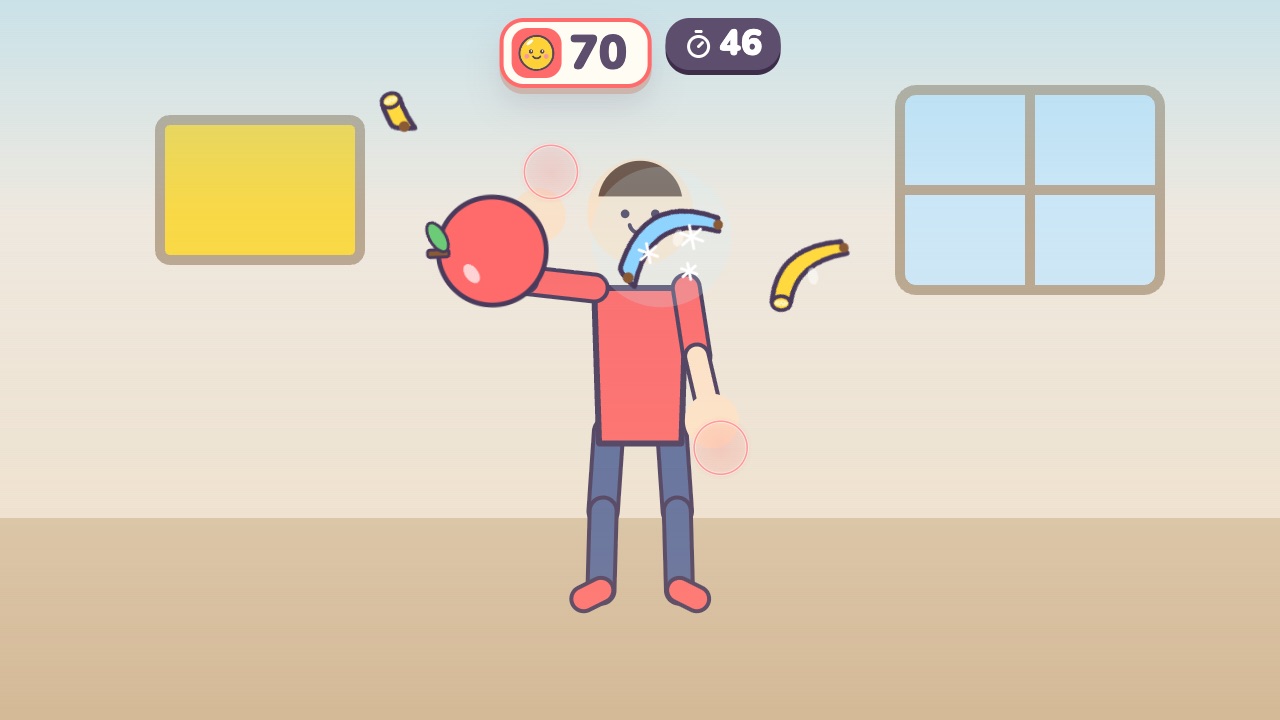 Fruit SlashSwing your hand to slice the flying fruit, and stay away from the bombsAges 6–14 · Moderate activity · Hands
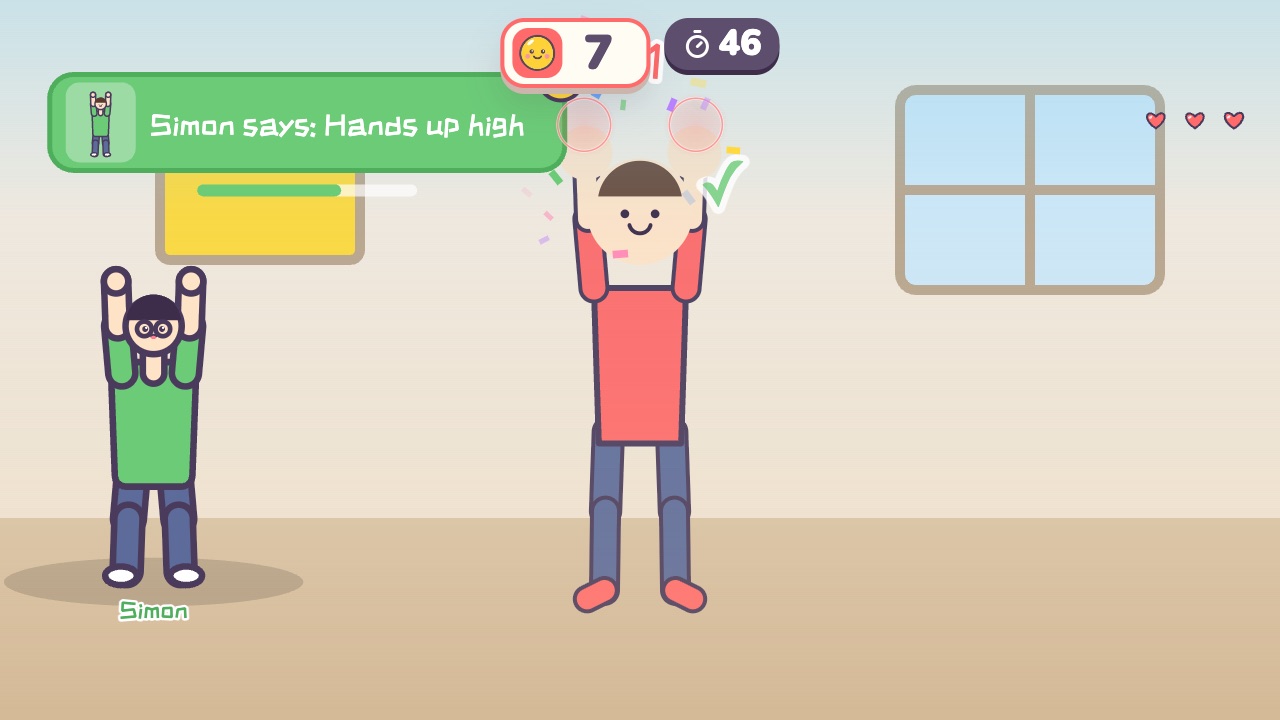 Simon SaysOnly move when Simon says soAges 4–10 · Moderate activity · Whole body / Thinking
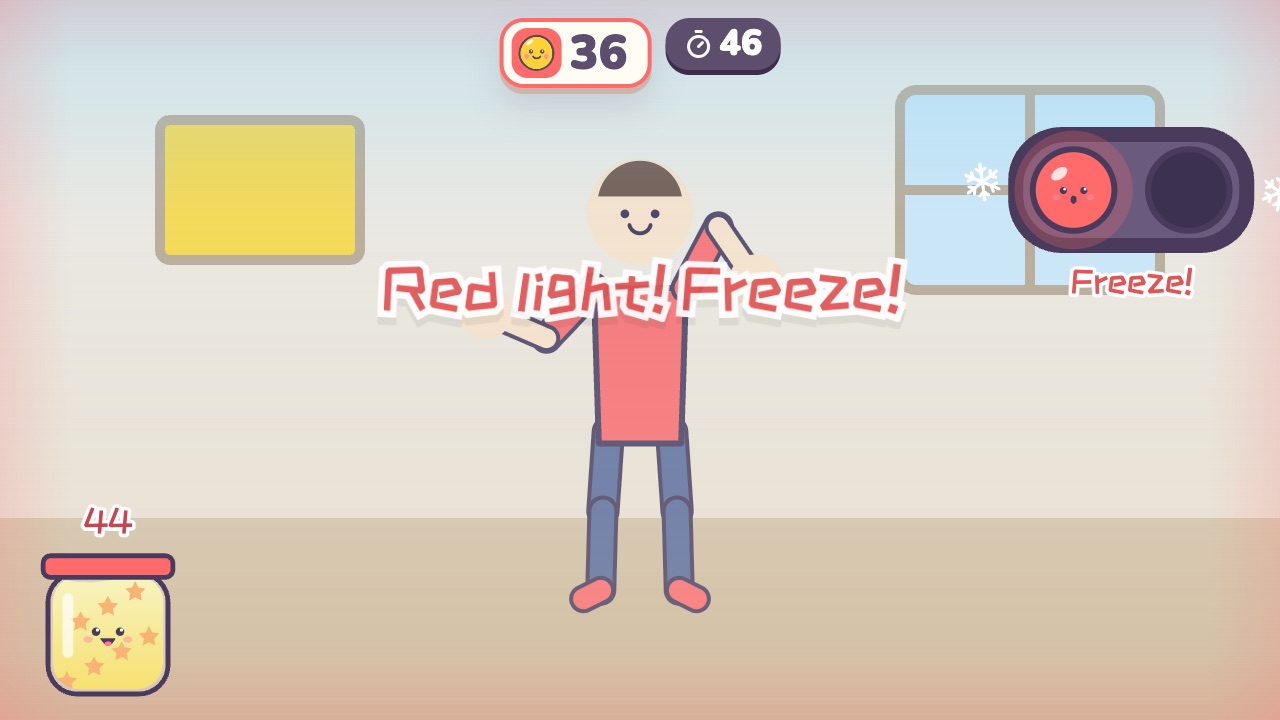 Red Light, Green LightMove like crazy on green light, and freeze the moment you hear red lightAges 3–10 · High activity · Whole body
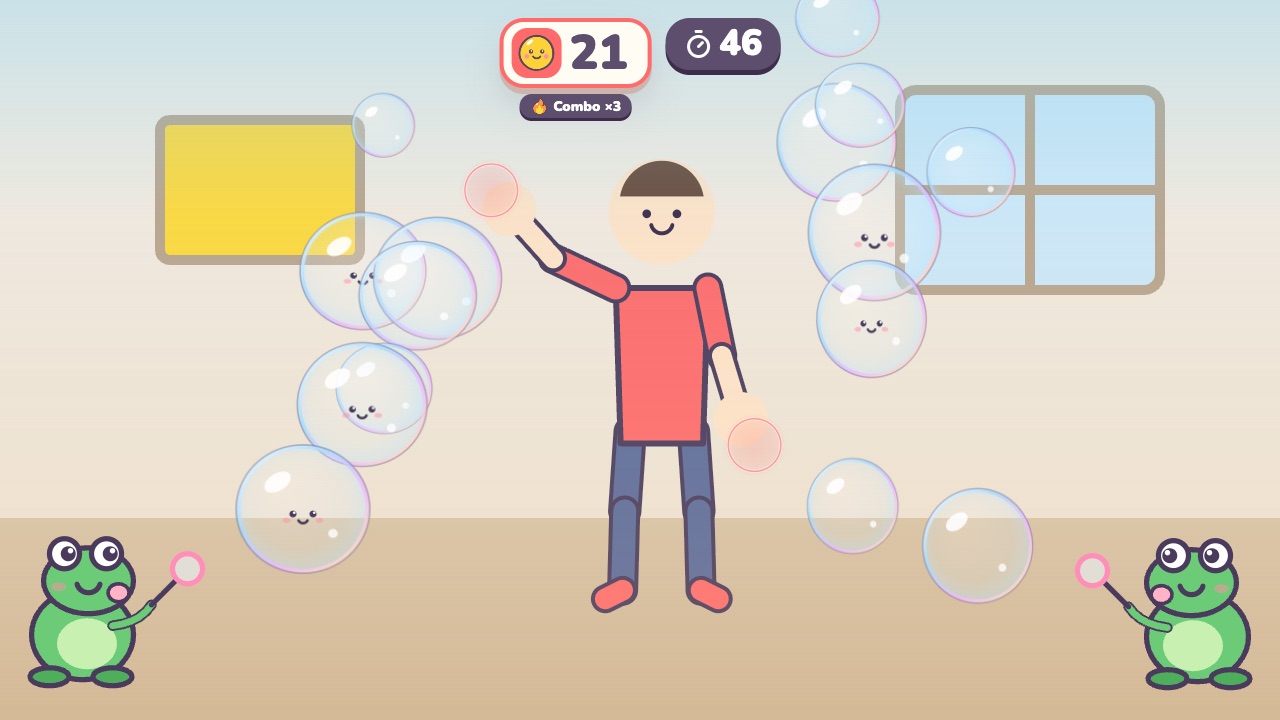 Bubble PopPop the bubbles floating toward youAges 3–7 · Light activity · Hands / Calm
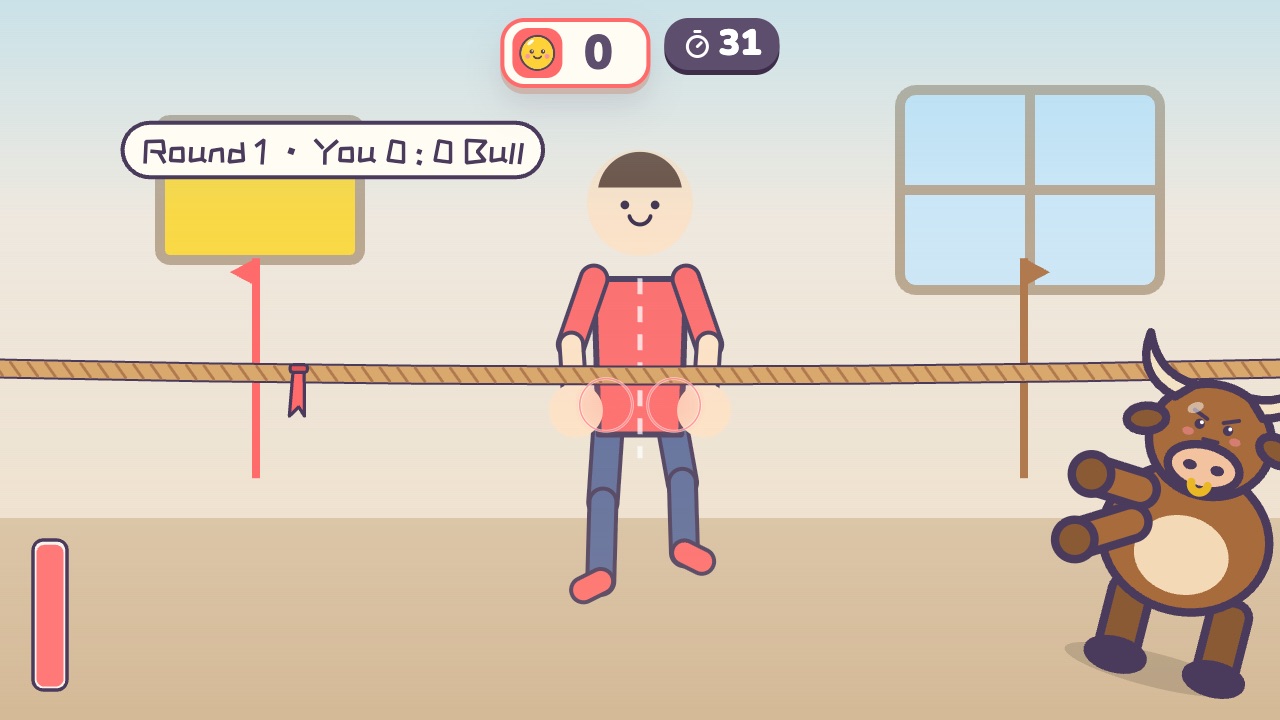 Tug of WarPull the rope back hard until the red flag crosses your lineAges 4–16 · High activity · Versus / Fitness / Hands
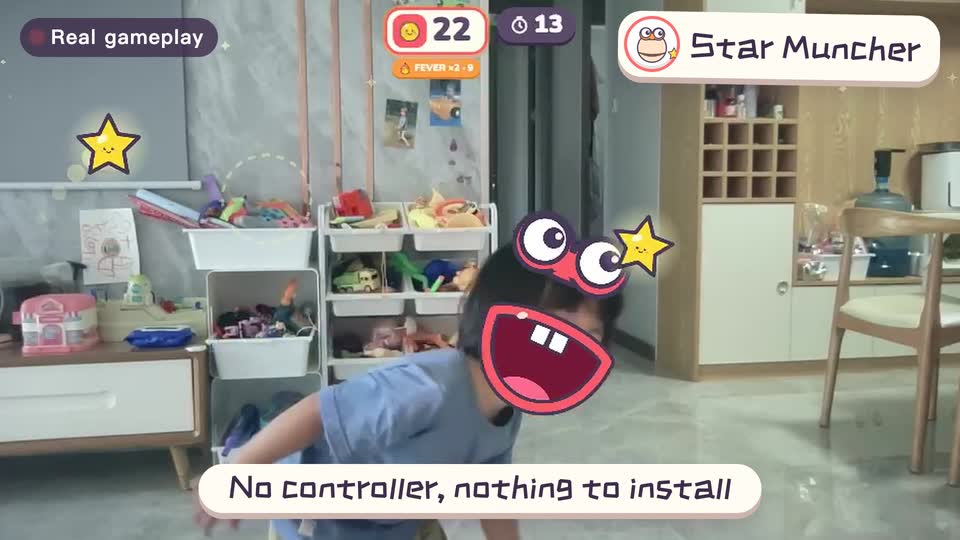
Real footage · 14 s
Kids stand in front of the computer and just move
100+ motion games for ages 3 to 18. Open the website and play: nothing to install, and the camera picture stays on this computer.
Keep reading
- How much should kids move each day? What the WHO says, and how to fit it in at home
- Screen time isn’t always sitting time: using screens to get kids moving
- When kids don’t like exercise: 6 ways to turn “I have to” into “I want to”
- Exercise and height: what actually helps kids grow (ages 6–14)
- Kids bouncing off the walls? A quiet 20-minute plan to burn off energy at home (ages 3–10)
- Winter exercise for kids: staying active when it’s too cold to go out