 DongDong Park
Exam stress relief: 15 minutes to move, then settle down
Updated
The simplest stress relief before a test is to move. The World Health Organization’s guidelines on physical activity and sedentary behaviour list benefits for children and adolescents that go beyond fitness and bones to include thinking skills and mental health. You don’t need a big production: 15 minutes and the classroom computer on the projector. Eight minutes to work up a sweat and shake off the nerves, five minutes of breathing and slow movement to settle, and the next lesson goes on as usual.
Why move first, then calm down
- When students are nervous, their bodies are tense, and telling them to relax doesn’t help. Run a little, punch a little, and the body loosens up first; the mind follows.
- Sitting straight down to work after a sweat leaves kids restless, so the second half has to be quiet: breathing and slow movement until heart rates come down, then back to their seats.
- Motion games are played on the spot, need no equipment and keep time for you, so a homeroom teacher who isn’t a PE teacher can lead them. Two students at the front are scored while everyone else does the same moves, so the whole class takes part.
Burn it off: what to play
Boxing Practice (the coach holds up pads: punch left, right and up, dodge the gloves and duck the bar; ages 9 and up) makes for the most satisfying round. 100-Meter Dash (on your marks, get set, bang, then run on the spot flat out) is over in a dozen seconds or so as a two-player race. Reaction Lights (hit whichever light turns green as fast as you can; ages 10 and up) takes quick eyes and hands, leaving no room to worry about anything else. Burpee Challenge (ages 12 and up), as many as you can in a minute, suits high schoolers. Choose games with a high activity level and give each student one round; two or three students are enough while everyone else follows along on the spot.
Settle down: what to play
Calm Breathing (breathe in as the circle grows, breathe out slowly as it shrinks; ages 10 and up) is the heart of the calm-down: the whole class does two rounds together, facing the screen. Tai Chi Cloud Hands (draw slow circles with your hands as you follow the glowing orbs; ages 12 and up) and Yoga Poses (copy each pose and hold it; the less you wobble, the higher the score; ages 12 and up) reward going slow and steady. For upper elementary, use Little Conductor instead (wave slowly and the band plays slowly; at the end, raise both hands to finish). To close, turn the music down, and once everyone is back in their seats, take three deep breaths together.
No hard exercise on exam day
In the one or two weeks before exams, run the 15 minutes every day or every other day. On the day of the exam, do only the calm-down half (Calm Breathing, Tai Chi Cloud Hands): no sweating and no moves students haven’t done before, so sore muscles or a racing heart don’t get in the way of the test.
Students with a heart condition, asthma or similar can skip the sweaty part and just follow the breathing and slow moves; with any health condition, check with a doctor first. For a student with marked anxiety or ongoing trouble sleeping, bring in the school counselor: exercise helps, but it is not treatment.
15 minutes before a test (middle and high school)
| Time | What happens | Games |
|---|---|---|
| 2 min | Stand up, push the chairs back, march on the spot and loosen the shoulders | — |
| 6 min | Burn it off: two rounds of two-player races while the class follows along | Boxing Practice, 100-Meter Dash, Reaction Lights |
| 2 min | Drink some water, towel off | — |
| 4 min | Settle down: the whole class together, facing the screen | Calm Breathing, Tai Chi Cloud Hands |
| 1 min | Back to seats, three deep breaths, start reviewing | — |
Questions teachers ask
Does it work for upper elementary?
Yes. For the active part, use 100-Meter Dash, Boxing Practice (ages 9 and up) and Jump Rope Counter; to settle down, use Calm Breathing (ages 10 and up) and Little Conductor. Tai Chi Cloud Hands, Yoga Poses and Burpee Challenge are for ages 12 and up, so save them for middle and high school.
Should we do it the day before, or on the day?
Every day or every other day for one or two weeks beforehand; it works best once their bodies are used to it. On exam day, do only the calm-down half: no sweating, no new moves.
Won’t it cut into study time?
It takes 15 minutes in all: fit it into homeroom or between two study periods. When students can’t sit still, forcing them to keep going doesn’t get much done anyway; after moving, they sit down calmer.
Can we really do boxing in a classroom?
Yes. Punches are thrown on the spot and don’t touch anything. Leave an arm’s length of space in front of and behind the player, and push the front row of desks back a little. Students following along beside their desks keep their moves smaller.
Won’t the room get sweaty?
The active part is only 6 minutes, with one round per student, so it’s a light sweat. Open a window, and the 2 minutes for water and toweling off are enough.
Games mentioned here
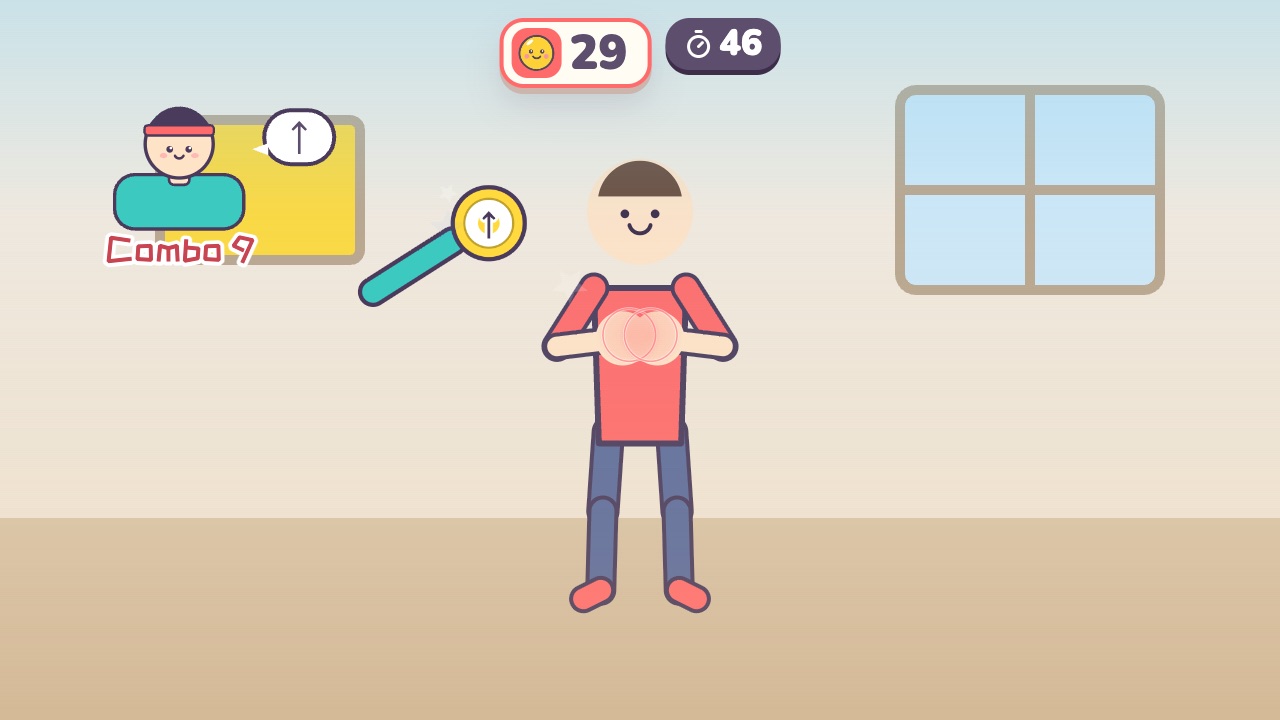 Boxing PracticeThe coach holds up pads: punch left, right and up, dodge the gloves and duck the barAges 9–18 · High activity · Hands / Fitness
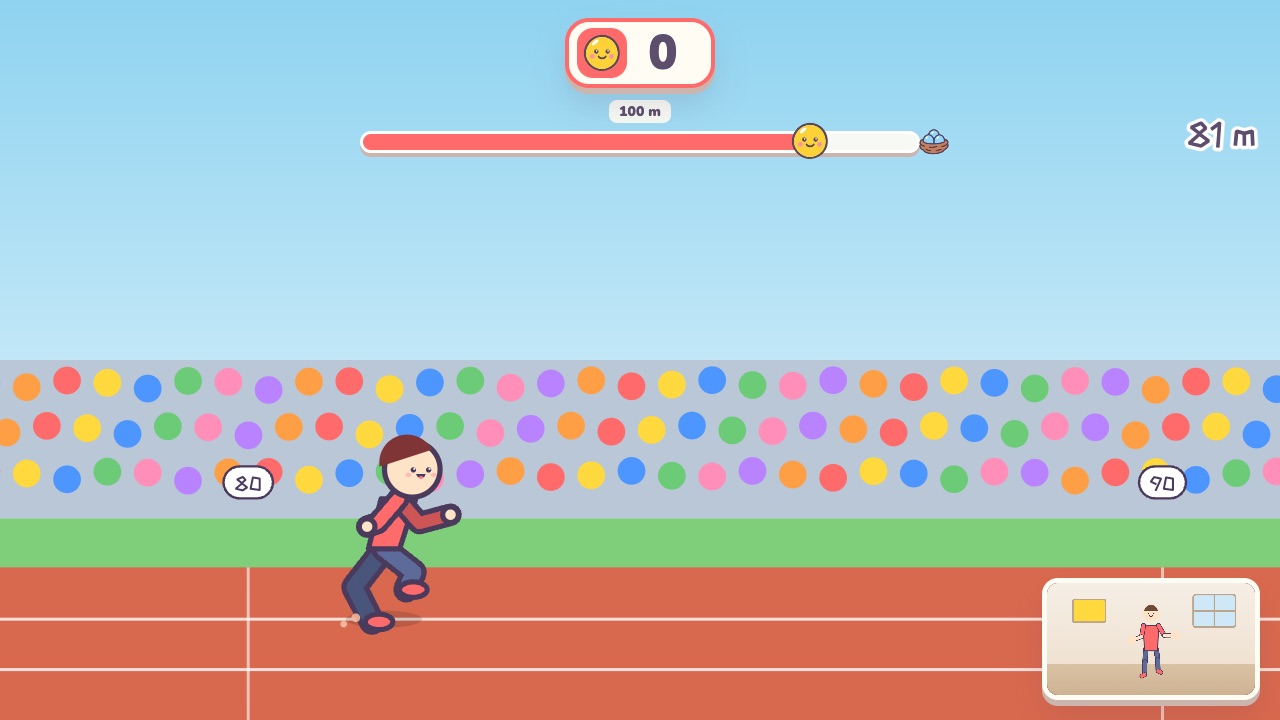 100-Meter DashOn your marks, get set, bang! Run on the spot as fast as you canAges 8–18 · High activity · Run & jump / Fitness / Versus
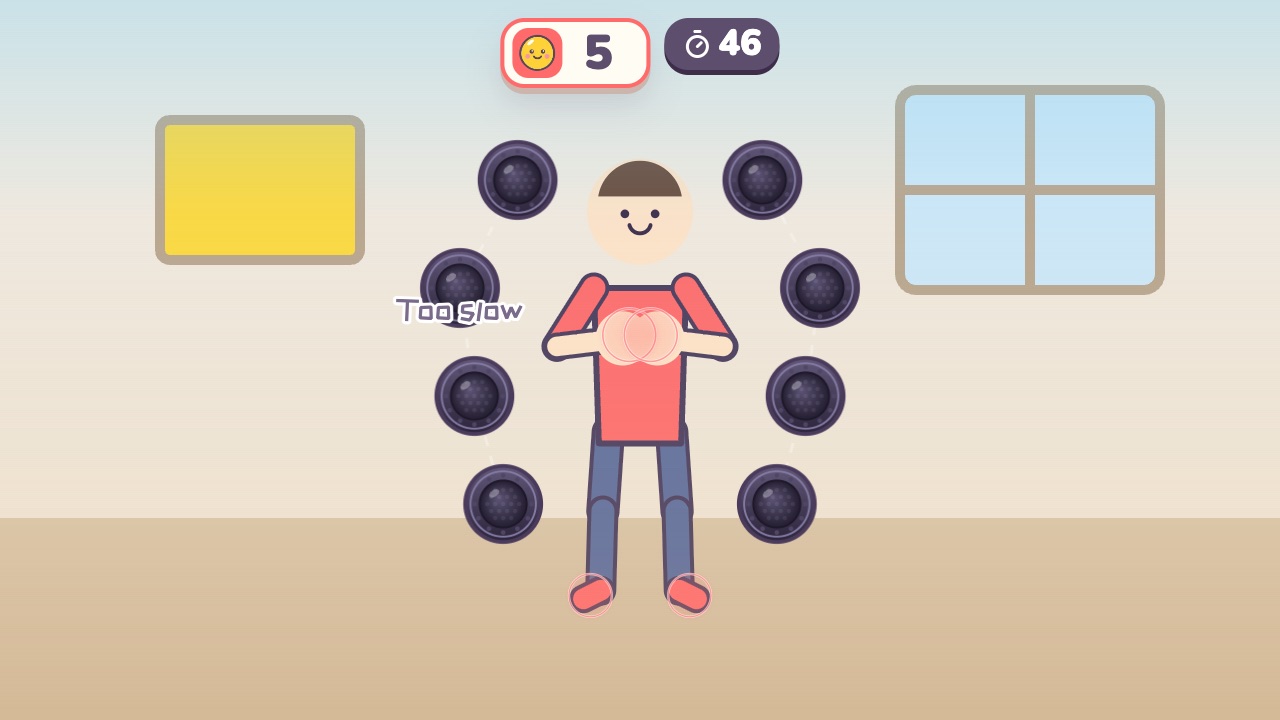 Reaction LightsHit whichever light turns green as fast as you can, and never touch a red oneAges 10–18 · High activity · Fitness / Whole body / Thinking
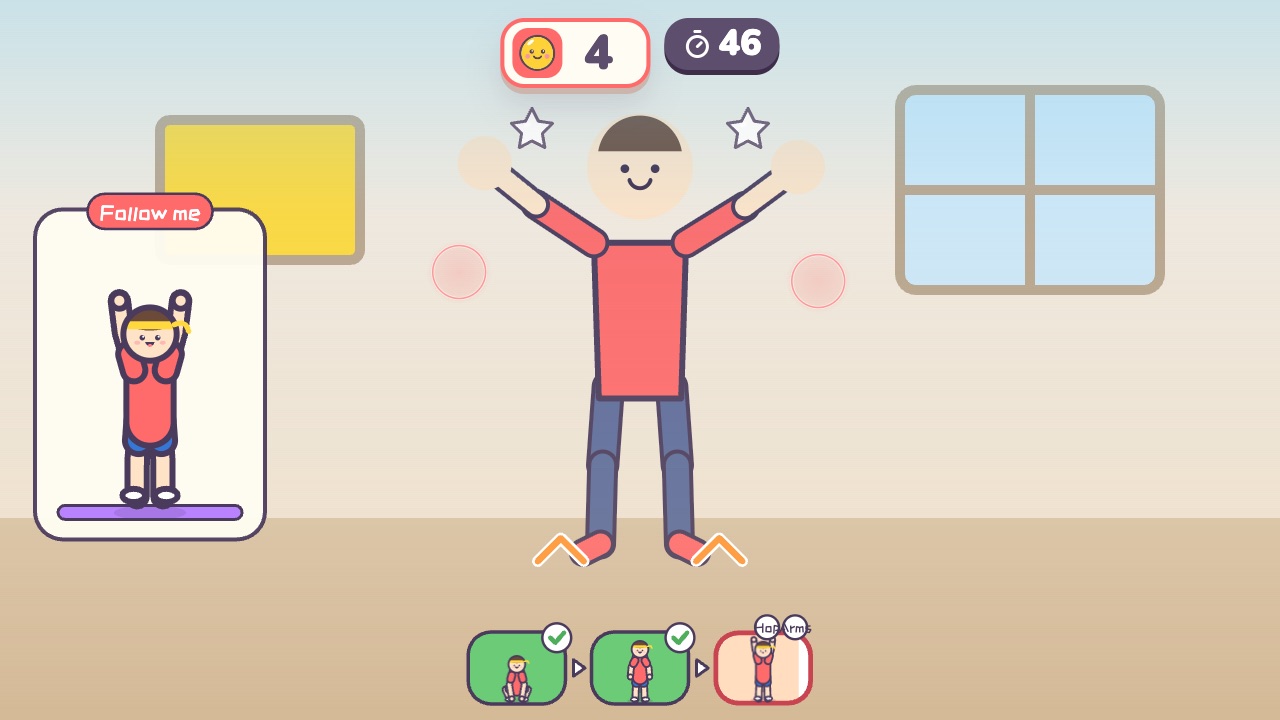 Burpee ChallengeSquat and touch the floor, stand up, jump and reach. How many in a minute?Ages 12–18 · High activity · Fitness / Run & jump
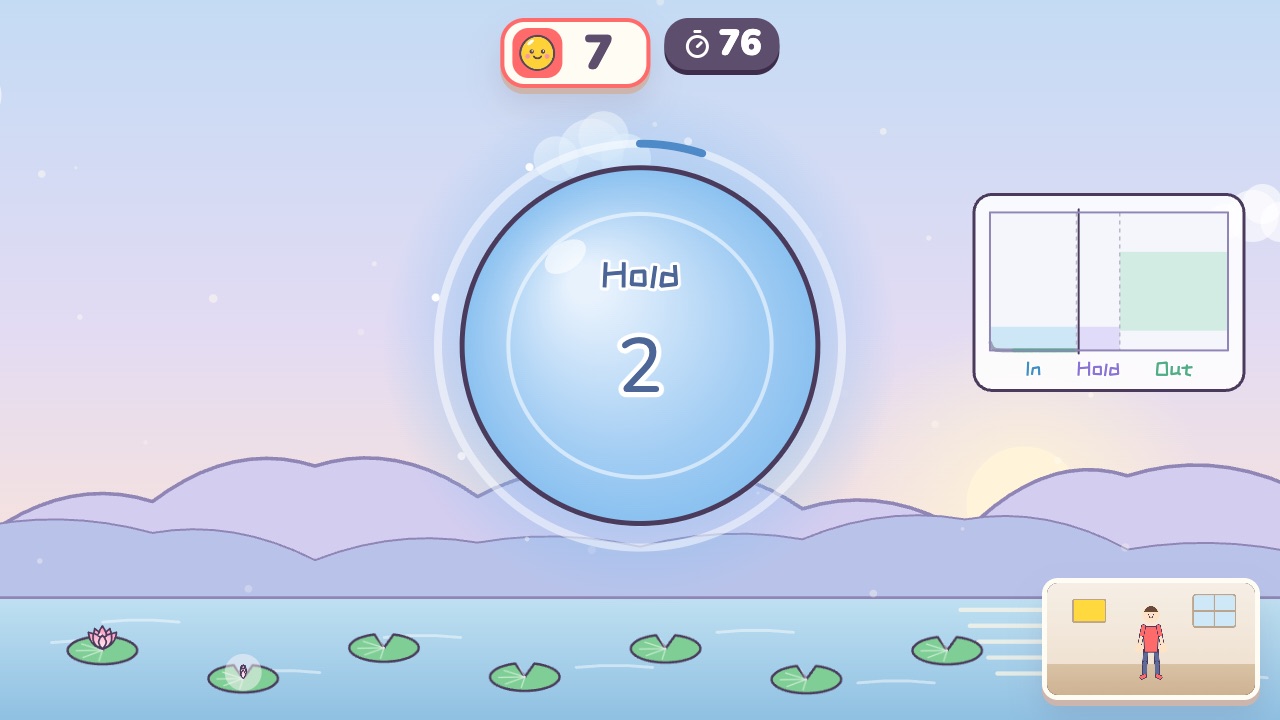 Calm BreathingBreathe in as the circle grows, and breathe out slowly at the microphone as it shrinksAges 10–18 · Light activity · Calm
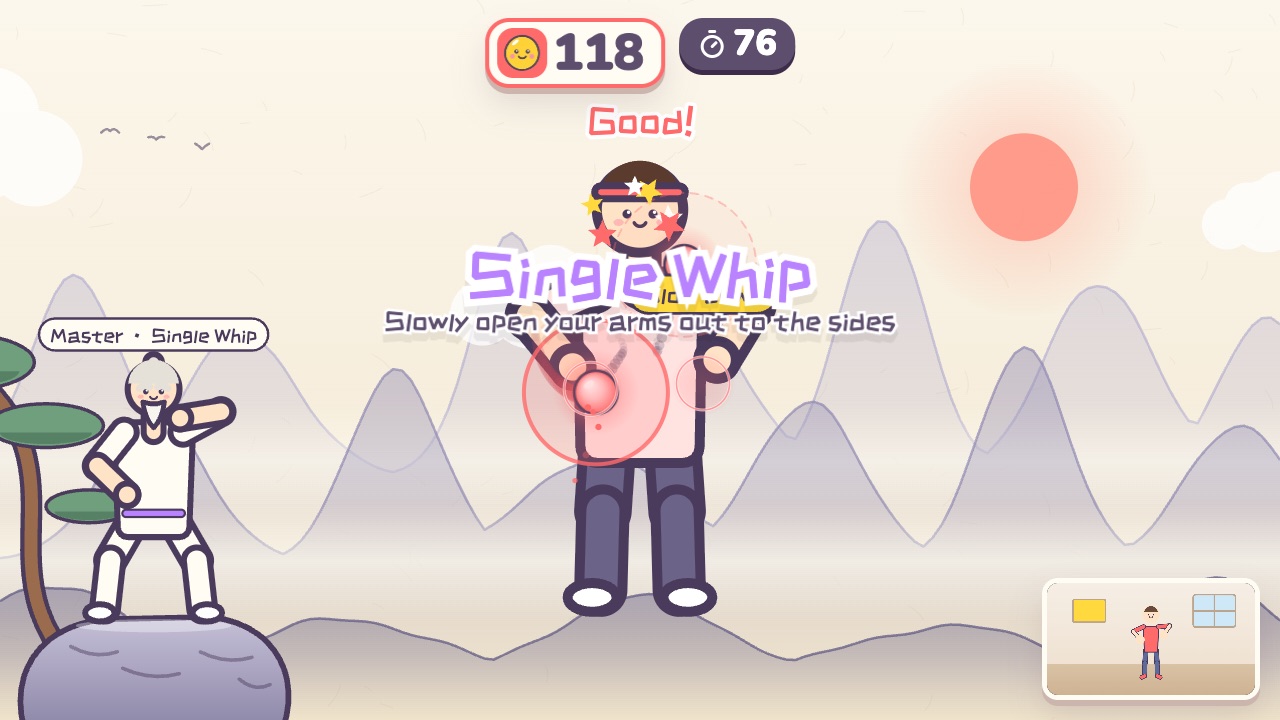 Tai Chi Cloud HandsDraw slow circles with your hands as you follow the glowing orbsAges 12–18 · Light activity · Calm / Whole body
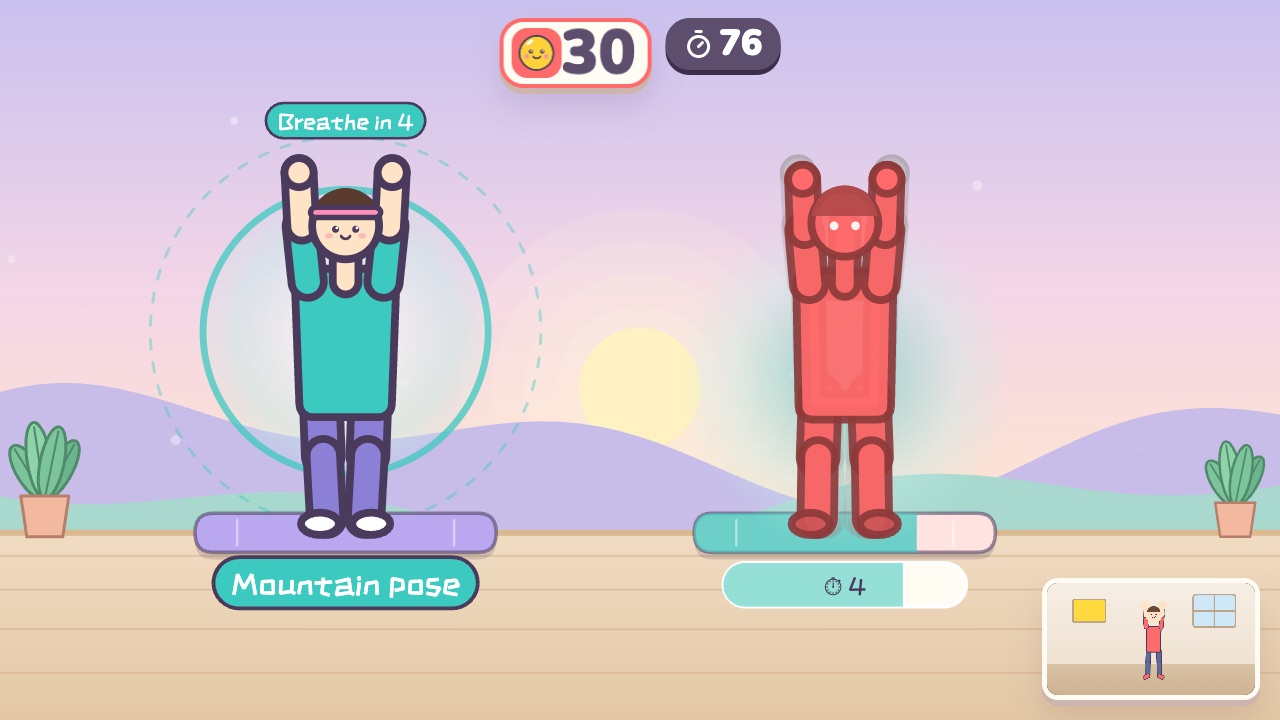 Yoga PosesCopy each yoga pose and hold it steadyAges 12–18 · Light activity · Calm / Fitness / Whole body
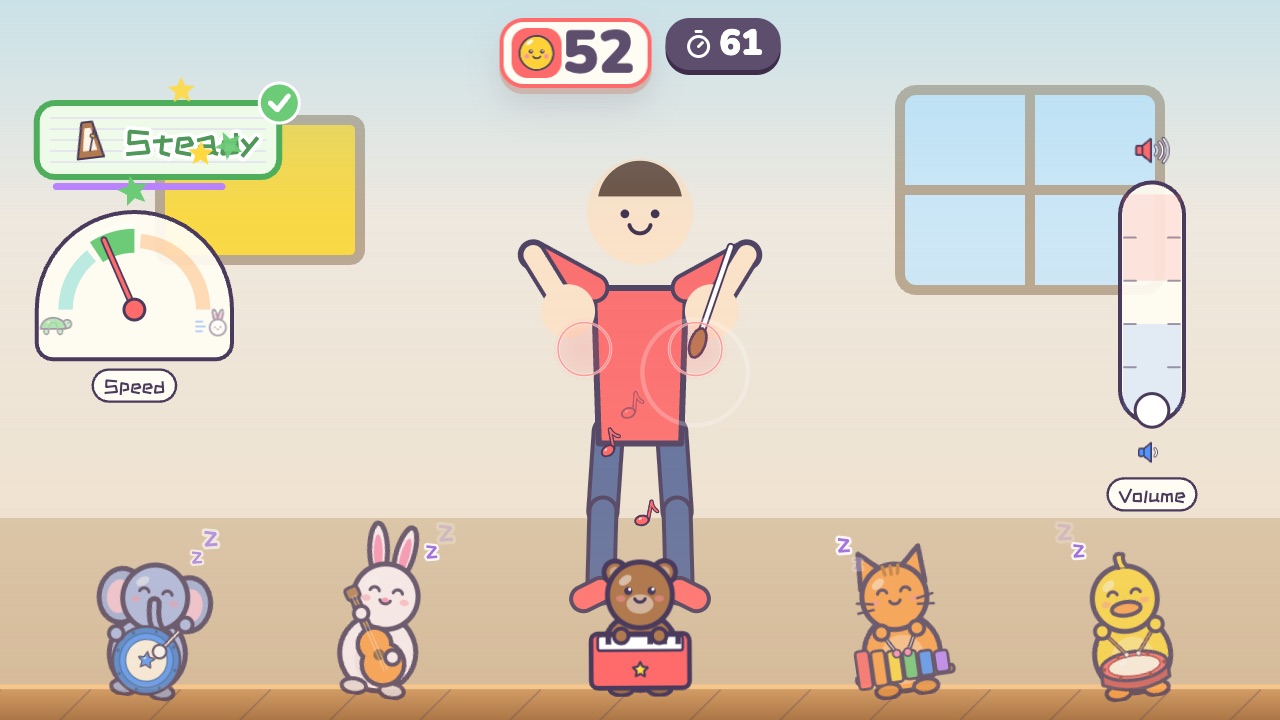 Little ConductorWave fast and the band plays fast. Hold your hands high and it plays loudAges 6–12 · Moderate activity · Rhythm / Hands
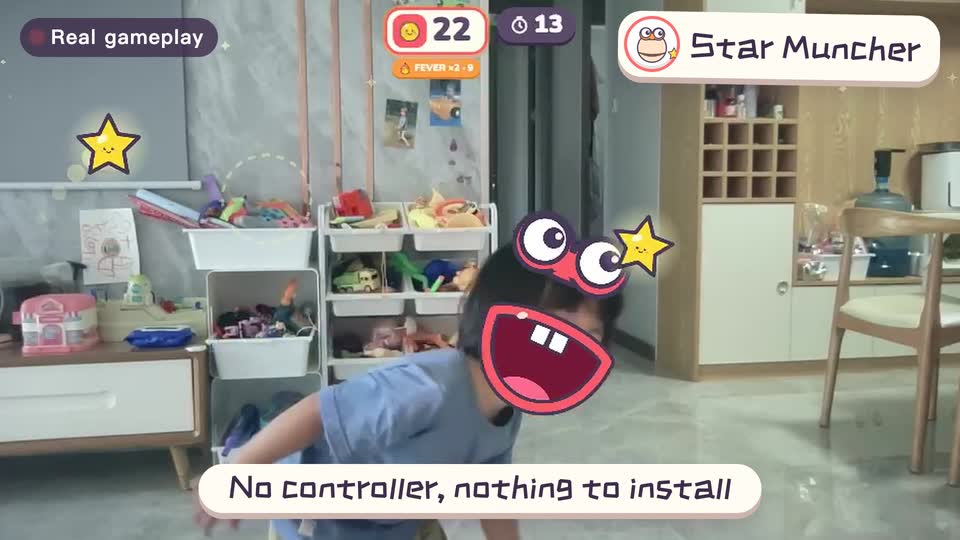
Real footage · 14 s
Kids stand in front of the computer and just move
100+ motion games for ages 3 to 18. Open the website and play: nothing to install, and the camera picture stays on this computer.
Sources
- WHO guidelines on physical activity and sedentary behaviour. World Health Organization. 2020
Keep reading
- Indoor recess games: a 20-minute rainy-day plan
- Brain breaks: 5-minute movement games for any grade
- Indoor PE class: one computer gets the whole class moving
- Indoor movement games for preschool: morning exercise and rainy days, ages 3 to 6
- Rainy-day obstacle course: 6 stations for a preschool classroom
- PE warm-up and cool-down games: the whole class follows the screen